Group Lighting: The Recipe for Even Exposure Across Multiple Subjects

Group Lighting: The Recipe for Even Exposure Across Multiple Subjects

Group Lighting: The Recipe for Even Exposure Across Multiple Subjects Group lighting is where most photographers abandon precision and hope for the best. I don’t operate that way. After years of shooting corporate teams, families, and wedding parties, I’ve developed a systematic approach that eliminates the guessing game. You need methodology, not luck. The Core Problem: Distance and Angle Variation Here’s what kills group shots: your key light works perfectly for the front row at 8 feet away, but it creates harsh shadows on the back row at 12 feet away.

Three-Light Portrait Setup: The Professional Standard

Three-Light Portrait Setup: The Professional Standard

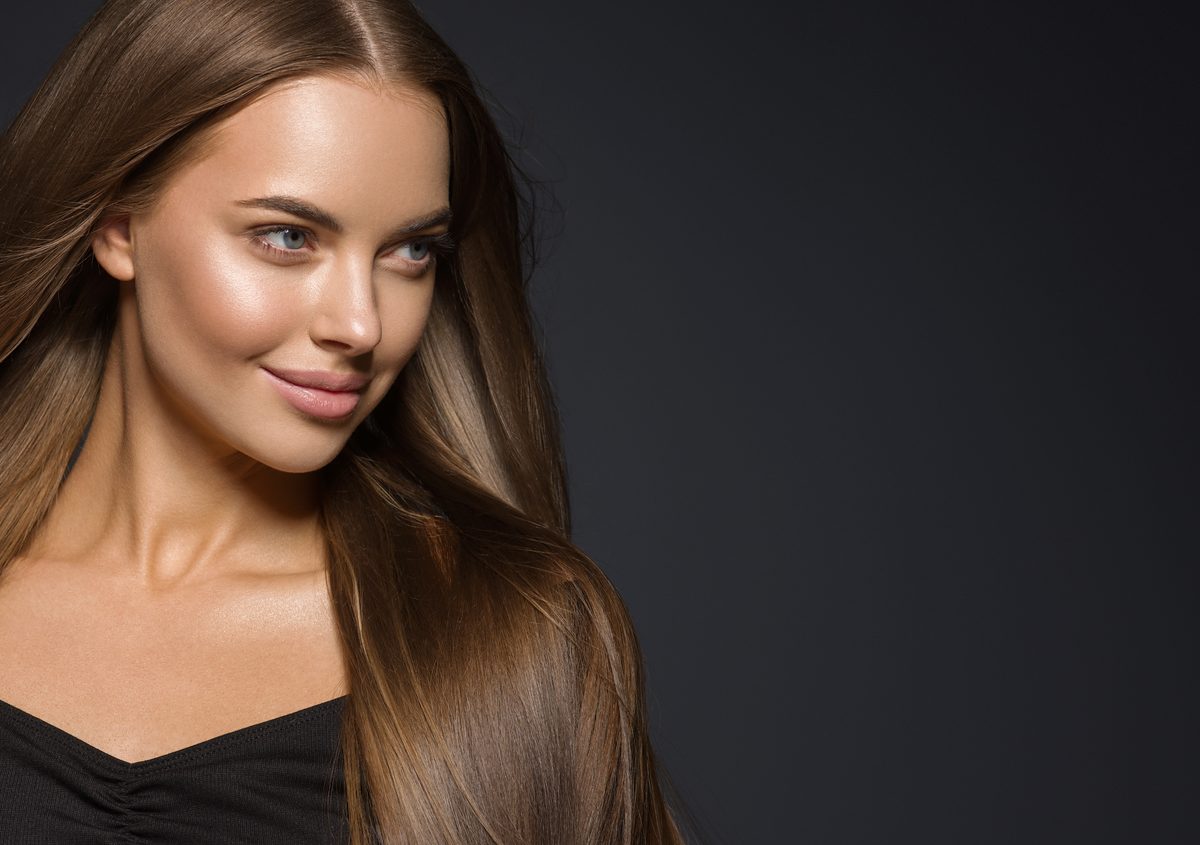
The three-light setup is the backbone of professional portrait and headshot photography. It consists of a key light, a fill light, and a separation light. Each serves a specific purpose, and understanding how they interact gives you precise control over the final image. The Three Roles Key light. The primary light source that defines the shape and character of the illumination on the subject’s face. It determines the lighting pattern (Rembrandt, loop, butterfly, etc.

The Five Essential Portrait Lighting Patterns Every Photographer Should Master

The Five Essential Portrait Lighting Patterns Every Photographer Should Master

The Five Essential Portrait Lighting Patterns Every Photographer Should Master I’ve spent twenty years in studios across three continents, and I can tell you this with certainty: you don’t need thirty light setups. You need five. Master these patterns, and you’ll handle virtually every portrait scenario that walks through your door. Everything else is variation. Think of lighting patterns like recipes. You measure precisely, follow the sequence, and you get consistent results.

Rim Lighting: The Technique That Separates Amateurs From Professionals

Rim Lighting: The Technique That Separates Amateurs From Professionals

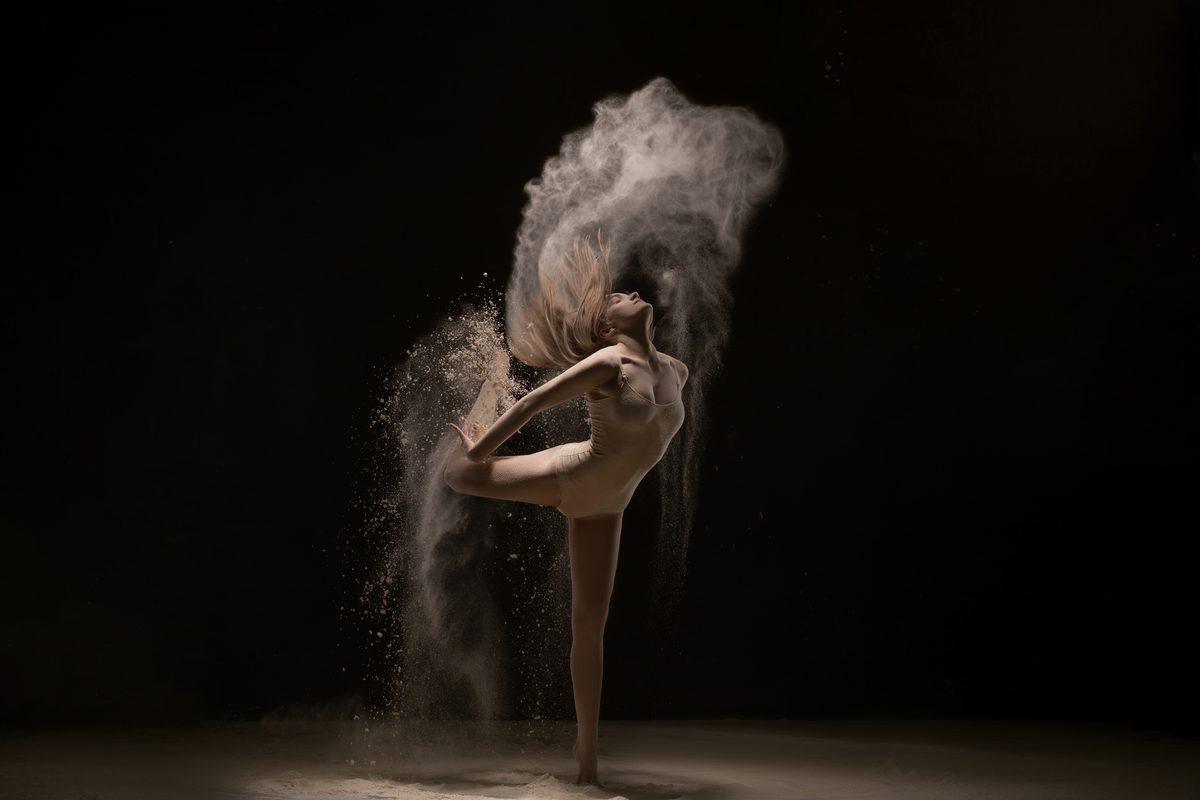
What Rim Lighting Actually Does Rim lighting isn’t decorative—it’s functional. When placed correctly, a rim light creates a bright edge along your subject’s outline, separating them from the background and adding three-dimensional depth to flat studio environments. I’ve watched photographers obsess over key lights and fill ratios while ignoring this critical tool. That’s a mistake. The rim light accomplishes three things: it defines edges (especially hair), it creates visual separation between subject and background, and it adds a professional polish that clients immediately notice, even if they can’t articulate why.

Rim Lighting: Adding Drama and Separation

Rim Lighting: Adding Drama and Separation

Rim lighting — a light positioned behind the subject that creates a bright outline along their edges — is one of the most dramatic tools in portrait photography. That bright edge separates the subject from the background, adds a three-dimensional quality that flat lighting can’t achieve, and creates an immediate sense of production value. What Rim Lighting Does When a light source is positioned behind and slightly above a subject, it skims across the edges of their hair, shoulders, and body contour.

One Light Setup: Everything You Can Do with a Single Strobe

One Light Setup: Everything You Can Do with a Single Strobe

The most common misconception in studio photography is that you need multiple lights to produce professional results. You do not. A single strobe, paired with the right modifier and placement, can produce an enormous range of looks. Mastering one light is the foundation upon which every multi-light setup builds. The Core Variables With one light, you control the image through four variables: Light position (angle and height relative to the subject) Modifier type (what shapes and softens the light) Distance from subject (controls both softness and falloff) Power setting (determines exposure and ratio to ambient light) Every single-light portrait is a combination of these four choices.

Metering Flash: Understanding TTL vs Manual

Metering Flash: Understanding TTL vs Manual

Every external flash operates in one of two modes: TTL (Through The Lens) automatic metering, or manual power control. Understanding when each mode is appropriate, and how to meter effectively in both, eliminates the most common flash exposure problems. How TTL Works TTL metering fires a pre-flash, an extremely brief burst of light, milliseconds before the actual exposure. The camera’s meter reads the light reflected from this pre-flash through the lens, calculates the flash power needed for correct exposure, and sets the main flash output accordingly.

Low Key Lighting: The Discipline That Separates Professionals From Amateurs

Low Key Lighting: The Discipline That Separates Professionals From Amateurs

Low Key Lighting: The Discipline That Separates Professionals From Amateurs Low key lighting isn’t a trend or an aesthetic preference—it’s a deliberate technical choice that demands precision, restraint, and a clear understanding of contrast ratios. After twenty years of working in studios and on location, I’ve found that photographers who master low key lighting develop a fundamental control over their craft that serves every other technique they’ll ever learn. What Low Key Actually Means Let’s be direct: low key doesn’t simply mean “dark.

Low Key Lighting: The Discipline That Separates Competent Photographers From Masters

Low Key Lighting: The Discipline That Separates Competent Photographers From Masters

I’ve spent twenty years in studios lit by everything from tungsten to strobes, and I can tell you this: low key lighting is the discipline that exposes your technical weaknesses faster than any other setup. It demands precision where other styles forgive sloppiness. This is exactly why you should master it. Low key lighting isn’t about making things dark. That’s a dangerous misconception. It’s about controlling the ratio between your key light and fill, creating deliberate shadows that sculpt the subject rather than illuminate it equally.

How to Light Groups: From Two People to Twenty

How to Light Groups: From Two People to Twenty

Group lighting is fundamentally different from individual portrait lighting. With one person, you sculpt light across a single face. With groups, you need even illumination across every face while maintaining enough contrast to keep the image from looking flat. The larger the group, the bigger the challenge. The Core Problem Portrait lighting typically uses a key light positioned to one side of the subject, creating a bright side and a shadow side.

How to Use a Reflector for Natural Light Portraits

How to Use a Reflector for Natural Light Portraits

A reflector is the simplest and most cost-effective lighting tool you can own. It adds no new light to a scene. Instead, it redirects existing light, filling shadows, adding catch lights, and shaping the illumination on your subject. For natural light portrait photographers, a reflector often makes the difference between a flat snapshot and a polished portrait. How Reflectors Work When light hits a reflective surface, it bounces back. The angle of incidence equals the angle of reflection.

Hard Light vs Soft Light: When to Use Each

Hard Light vs Soft Light: When to Use Each

Every light source produces either hard or soft light. This distinction, defined by the character of the shadows it creates, is the single most important concept in photographic lighting. Once you understand what controls it, you can shape light intentionally rather than accepting whatever the equipment happens to produce. Defining the Terms Hard light creates shadows with sharp, clearly defined edges. The transition from light to shadow is abrupt. Texture is emphasized because every surface variation casts its own small, crisp shadow.