The Challenge of Bright Daylight
I’ve spent considerable time wrestling with one of photography’s most frustrating scenarios: creating moody, dark-background portraits in broad daylight. The culprit is obvious—uncontrolled ambient light bouncing everywhere, washing out contrast and making it nearly impossible to achieve that studio-quality separation between subject and background.
Most photographers assume you need to abandon this look when shooting outdoors during peak sun hours. They’re wrong. The solution requires understanding how to systematically eliminate ambient influence rather than fight against it.
One Light, Strategic Placement
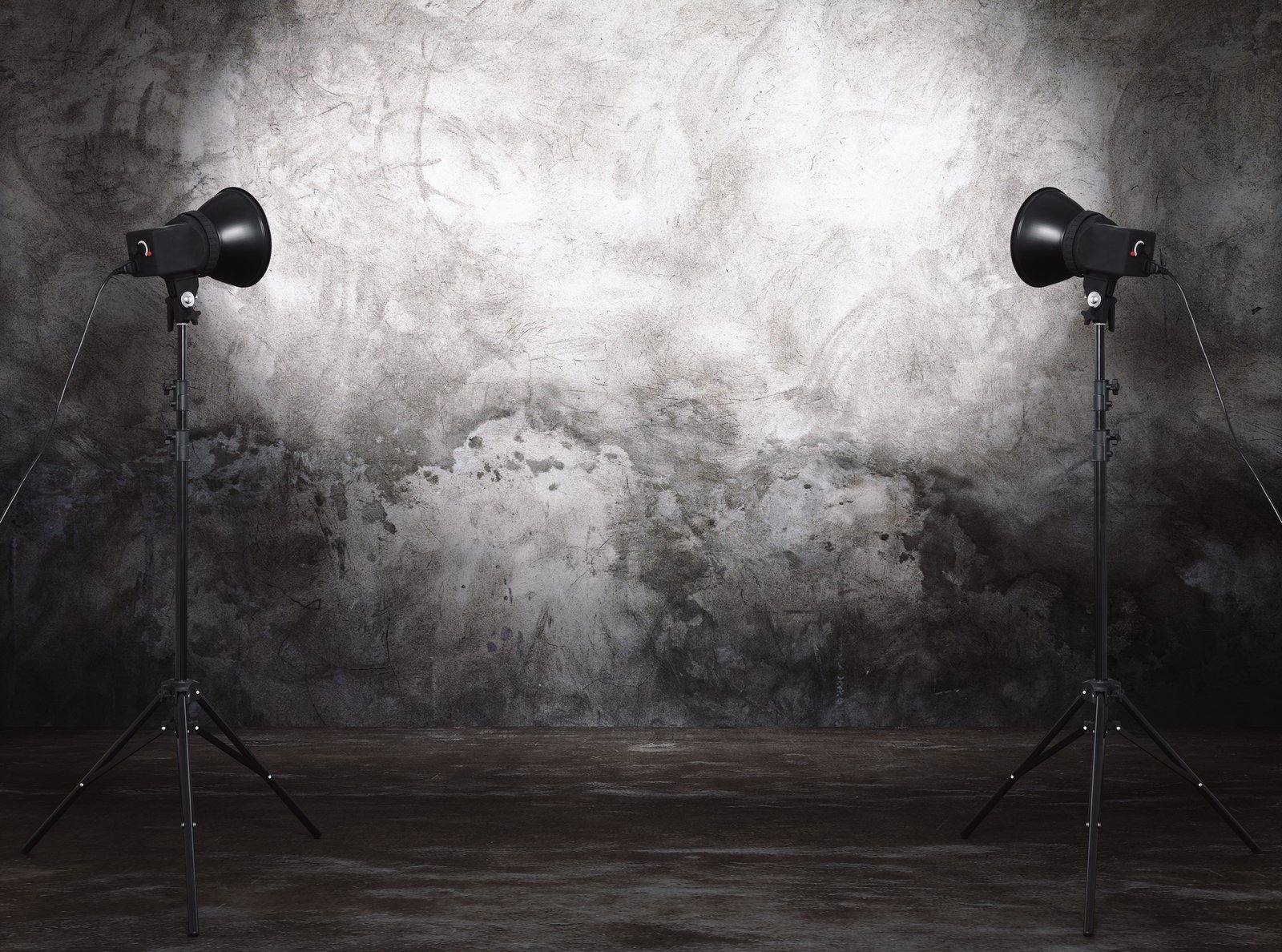
The most effective approach I’ve found uses a single gridded flash as your primary tool. The grid is crucial here—it’s not optional. This modifier does the heavy lifting by preventing light spill onto your surroundings while concentrating illumination precisely on your subject’s face and body.
Position this light close to your subject, roughly at a 45-degree angle, maintaining complete control over where every photon travels. This proximity and specificity mean your ambient exposure becomes irrelevant. You’re no longer trying to outpower the sun; you’re creating a localized lighting zone that the background simply doesn’t participate in.
The Technical Foundation
The methodology requires three interconnected steps working in harmony. First, you meter your scene to understand your ambient baseline. Second, you position your grid-modified flash to properly expose your subject while leaving the background significantly underexposed. Third, you deliberately shoot at a shutter speed that renders the background darker than your eye perceives it—think of this as visual compression.
A concrete wall that looks medium gray in person becomes nearly black in your files when you subtract ambient influence this way. This isn’t trickery; it’s physics-based exposure control.
Finishing the Look
Raw files from this technique require thoughtful post-processing, but nothing extreme. I focus on enhancing contrast and refining edge definition where your subject meets the background. The goal is ensuring your isolation work translates clearly without appearing over-processed.
The Practical Advantage
What excites me about this method is its accessibility and repeatability. You’re not depending on location scouting to find perfectly dark backgrounds. You’re manufacturing them. Whether you’re photographing in an industrial area, a residential neighborhood, or anywhere in between, the technique remains consistent.
This is genuine studio-quality control achieved in environments that initially seem completely unsuitable. Master this workflow and you’ve gained tremendous freedom in where and when you can execute your creative vision.
Comments (2)
Tried this technique this morning. Game changer for real.
Simple but effective. Sometimes that's all you need.
Leave a Comment