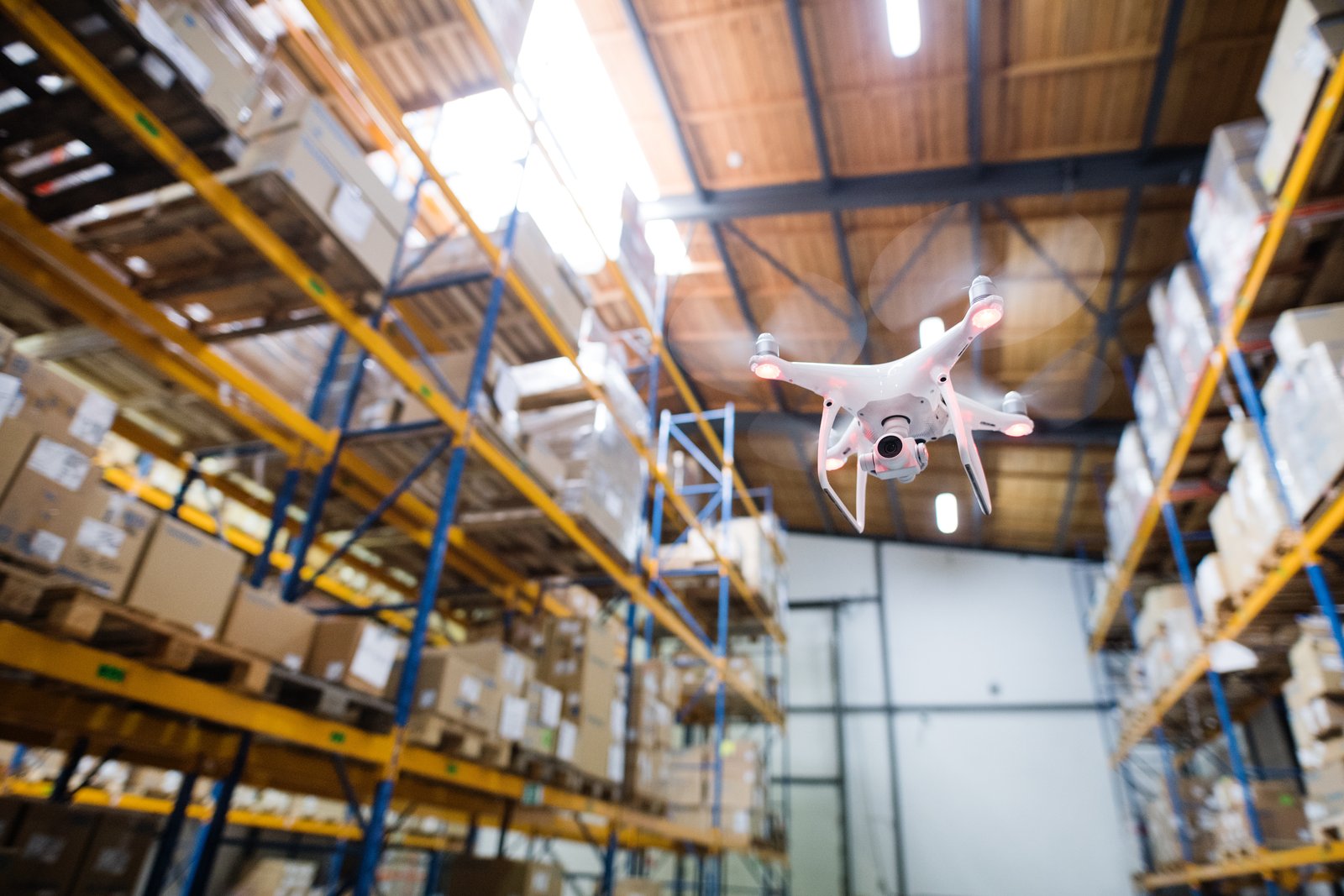
Drone Tariffs Are Coming: What Studio Photographers Need to Know
I’ve been watching the equipment landscape shift for months now, and I need to be direct with you: if you’ve been considering adding drone photography to your studio services, the clock is ticking. Starting September 3rd, 2026, the US government is implementing tariffs on foreign-made drones that will range from 25% to 100%—and that’s going to hit your wallet harder than any lighting modifier price increase we’ve seen in years.
What’s Actually Happening
The White House has signed a proclamation that essentially makes importing drones into the United States significantly more expensive. These aren’t small fees we can absorb—we’re talking about tariffs that could double the retail price of equipment that’s already substantial investments for studio professionals.
This comes on the heels of earlier FCC restrictions that placed foreign drones on a Covered List, making it harder for manufacturers to bring new models into the US market in the first place. Combined, these two regulatory moves are creating a perfect storm for anyone looking to expand into aerial work.
Why This Matters for Studio Photography
Here’s my perspective: drone photography has become an essential tool for comprehensive studio services. Whether you’re shooting real estate interiors with aerial context, creating composite backgrounds for product photography, or offering unique perspective shots for editorial work, having quality drone equipment matters.
A professional-grade drone currently costs between $2,000 and $4,000. Under these new tariffs, you could be looking at $2,500 to $8,000 for the same equipment. That’s not a minor adjustment to your equipment budget—that’s a fundamental shift in pricing.
What You Should Do Now
If you’ve been on the fence about drone integration, I’d recommend making a decision quickly. Here’s what I’d do in your position:
Research your current options. Identify which drones best complement your existing studio lighting and composition workflow. Don’t just grab whatever’s popular—think about how aerial imagery integrates with your studio aesthetic.
Budget accordingly. Calculate whether adding drone services justifies the investment at current prices versus post-tariff pricing. The math might look different in three months.
Consider timing. If you were planning a drone purchase anyway, the next few weeks represent a genuine window where prices remain predictable.
Moving Forward
These tariffs represent real friction for photographers trying to expand their service offerings. It’s frustrating, honestly. We’re already managing rising costs across lighting equipment, backdrops, and studio infrastructure.
But here’s what hasn’t changed: the client demand for unique perspectives and comprehensive visual storytelling. If drone work fits your studio’s direction, don’t let tariffs scare you away—just make your move strategically and soon.
Comments
Leave a Comment