The Challenge of Temporal Lighting
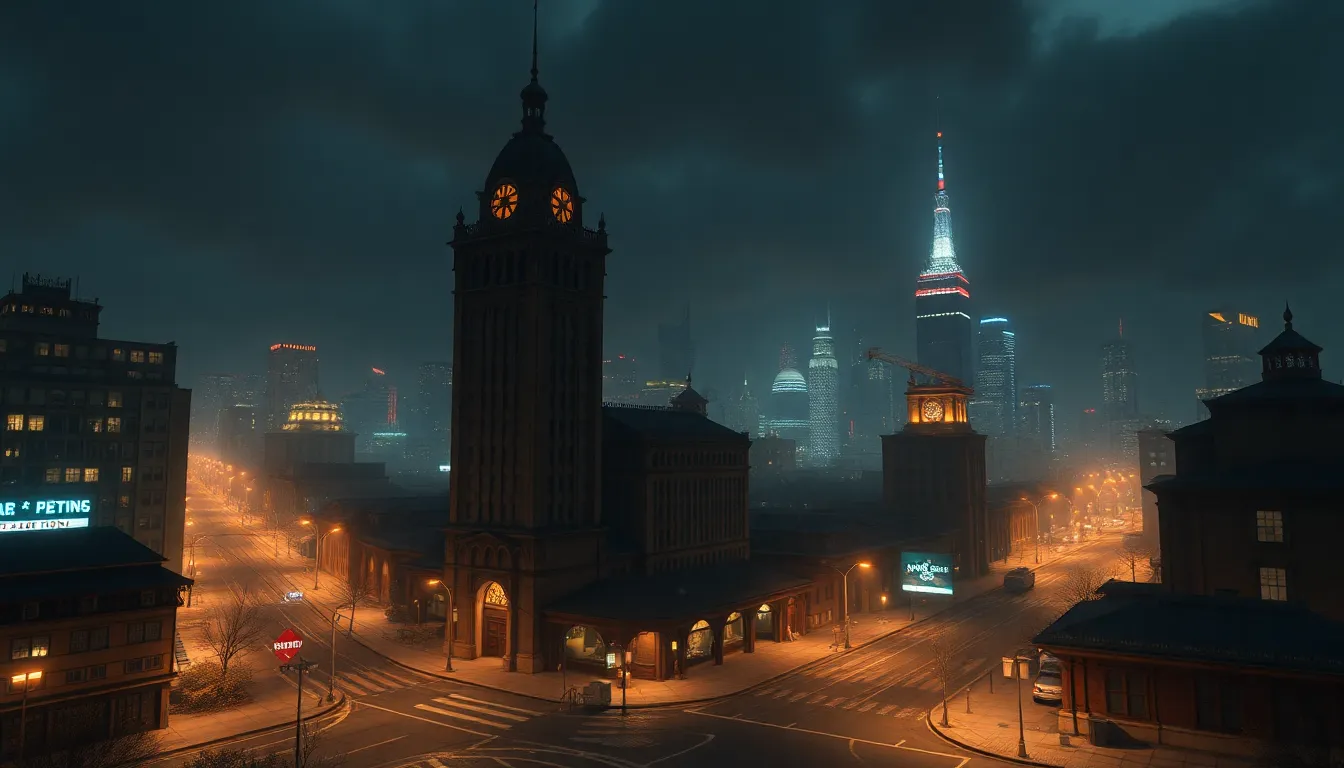
I’ve been watching the gaming industry’s approach to visual storytelling, and I’m genuinely impressed by the technical demands they’re tackling. Ryu Ga Gotoku’s upcoming title, Stranger Than Heaven, spans five distinct time periods across five different cities—1915, 1929, 1943, 1951, and 1965—and this presents a lighting puzzle that rivals what we face in studio photography.
When you’re shooting across different eras, you’re not just changing costumes and props. You’re fundamentally restructuring your light temperature, quality, and direction. That’s the real work.
Understanding Period-Accurate Lighting
Each decade demands its own lighting philosophy. The 1915 aesthetic requires softer, more diffused light—mimicking the photographic capabilities of that era. By the 1940s, you’re dealing with harsher shadows and higher contrast. The 1960s brings tungsten studio lights and the emerging clarity of modern film stock.
I approach this methodically: create a lighting recipe for each period. For early 1910s work, I rely heavily on large, softboxed key lights positioned at 45 degrees, softer fill ratios around 2:1 or 3:1. For post-war periods, I increase contrast, tighten my key lights, and reduce fill—creating that period-authentic punch. It’s not guesswork; it’s historical accuracy applied to physics.
The Posing Question Across Time
Here’s where it gets interesting: posing conventions shifted dramatically across these decades. Early 1900s portraiture demanded stillness and formality. By the 1950s, you see relaxation entering the frame. The 1960s brought genuine movement and casual positioning.
Your lighting supports these poses. Stiff, formal positioning needs sculpting light—directional, purposeful. Casual, dynamic poses benefit from flatter, more forgiving light. You can’t simply keep your 1915 lighting setup and pose someone like they’re in 1965. The entire visual language breaks down.
The Continuity Problem
What fascinates me about this five-era structure is maintaining visual coherence. Players need to recognize characters across decades, but the lighting environment changes everything about how we perceive faces, texture, and form.
This is precisely why I never leave home without understanding my light sources intimately. Knowing how to replicate tungsten, daylight, and practical fixtures across different setups means consistency isn’t luck—it’s preparation.
Practical Takeaway for Studio Work
Whether you’re shooting a historical campaign or simply working with clients across multiple sessions, understand this: each “time period” in your client’s life needs appropriate visual treatment. A corporate headshot from 2015 shouldn’t match today’s aesthetic. Your lighting choices age work intentionally.
That’s the real lesson here—visual storytelling across time isn’t about copying the past. It’s about understanding how light itself changed, and translating that into controlled, repeatable technique.
Comments
Leave a Comment