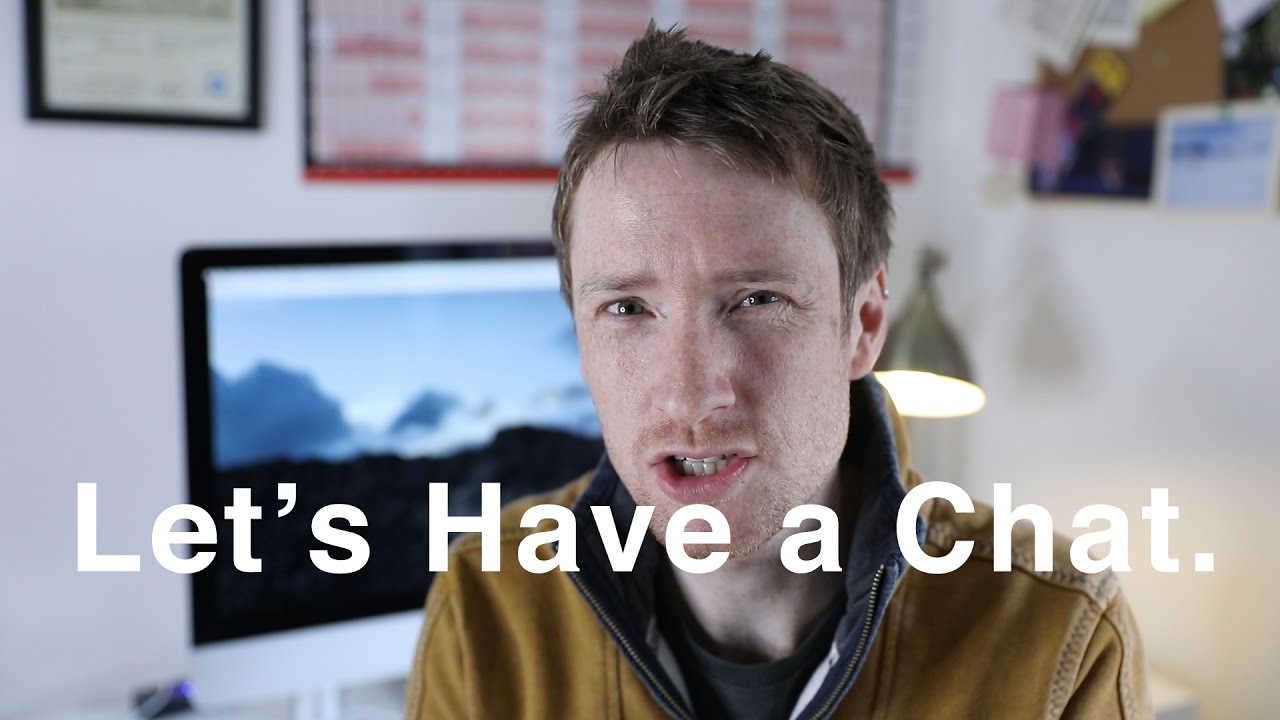
There’s a version of the photography career conversation that gets repeated so often it’s practically wallpaper: hustle hard, specialize early, build a niche. I’ve said some version of it myself. But every so often someone lays out their actual career timeline, messy and unpolished, and it recalibrates something in you. That’s what happened when I watched this candid video by Thomas Heaton, where he sits down and just talks. No dramatic gear reveal. No location scout. Just a working photographer explaining how he got to where he is, what his studio work actually looked like, and how a side project quietly became his primary income. Watch the full tutorial on YouTube
For those of us embedded in commercial studio work, the part that landed hardest was his description of what studio photography actually is day to day. Product shots. Corporate headshots. Work that pays the bills and demands technical precision but doesn’t light up the part of your brain that made you pick up a camera in the first place. I know that feeling intimately. I’ve got lighting setups labeled with masking tape on every modifier in my studio, and I still spend more mornings than I’d like shooting catalog work that will never see my portfolio. Heaton’s honesty about that gap between what sustains you financially and what sustains you creatively is rare, and it’s worth pulling apart into steps any working photographer can actually use.
Step 1: Recognize When a Job Has a Ceiling
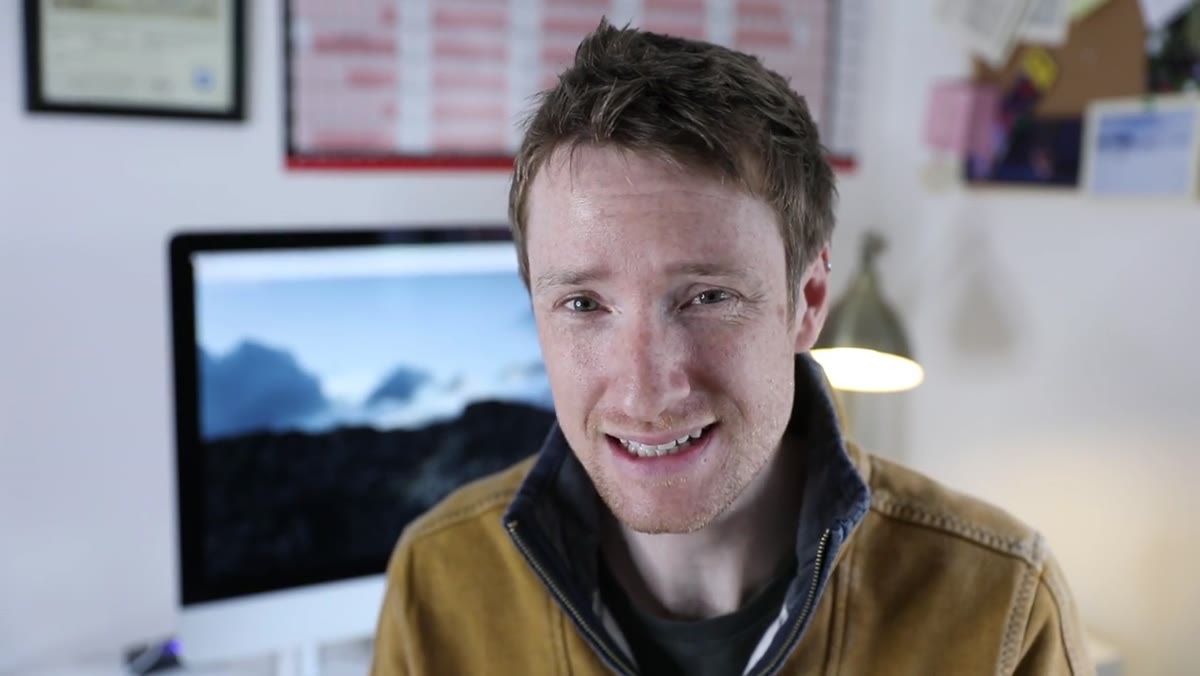 Thomas explaining why he quit his corporate video technician role
Heaton spent four years at a corporate events company doing video production before quitting in 2010. His reason wasn’t dramatic. He simply identified that upward movement inside that structure wasn’t possible for him, and staying meant trading time for stagnation. The lesson here isn’t “quit your job impulsively.” It’s about conducting an honest audit. If you’ve been at the same income level and skill ceiling for two or more years, that’s a signal, not a temporary plateau. Write down what you’ve learned in the last twelve months in your current setup. If the list is short, that’s your answer.
Thomas explaining why he quit his corporate video technician role
Heaton spent four years at a corporate events company doing video production before quitting in 2010. His reason wasn’t dramatic. He simply identified that upward movement inside that structure wasn’t possible for him, and staying meant trading time for stagnation. The lesson here isn’t “quit your job impulsively.” It’s about conducting an honest audit. If you’ve been at the same income level and skill ceiling for two or more years, that’s a signal, not a temporary plateau. Write down what you’ve learned in the last twelve months in your current setup. If the list is short, that’s your answer.
Step 2: Go Freelance With a Specific Financial Floor, Not a Vague Dream
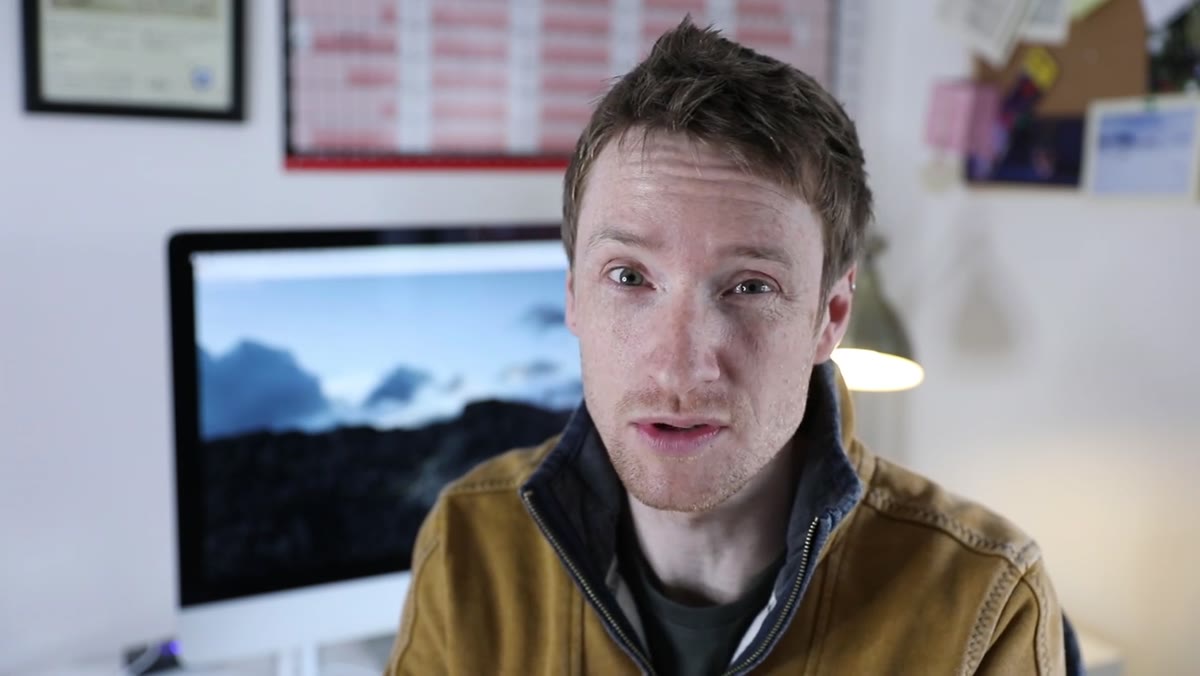 Thomas describing his low debt and small outgoings before going freelance
Heaton is clear that he didn’t quit recklessly. He had minimal debt and low monthly expenses, which gave him runway. When I went through my own transition from assisting to running my own studio, I did the same math. I calculated exactly how many headshot sessions per month I needed to cover rent, equipment loans, and food. That number was smaller than I expected, and it made the leap feel like a business decision rather than a gamble. Before you go freelance, calculate your actual monthly survival number. Not comfort, survival. Then figure out how many jobs at your current day rate cover it. That arithmetic does more for your confidence than any motivational content ever will.
Thomas describing his low debt and small outgoings before going freelance
Heaton is clear that he didn’t quit recklessly. He had minimal debt and low monthly expenses, which gave him runway. When I went through my own transition from assisting to running my own studio, I did the same math. I calculated exactly how many headshot sessions per month I needed to cover rent, equipment loans, and food. That number was smaller than I expected, and it made the leap feel like a business decision rather than a gamble. Before you go freelance, calculate your actual monthly survival number. Not comfort, survival. Then figure out how many jobs at your current day rate cover it. That arithmetic does more for your confidence than any motivational content ever will.
Step 3: Use the Boring Work to Fund the Interesting Work
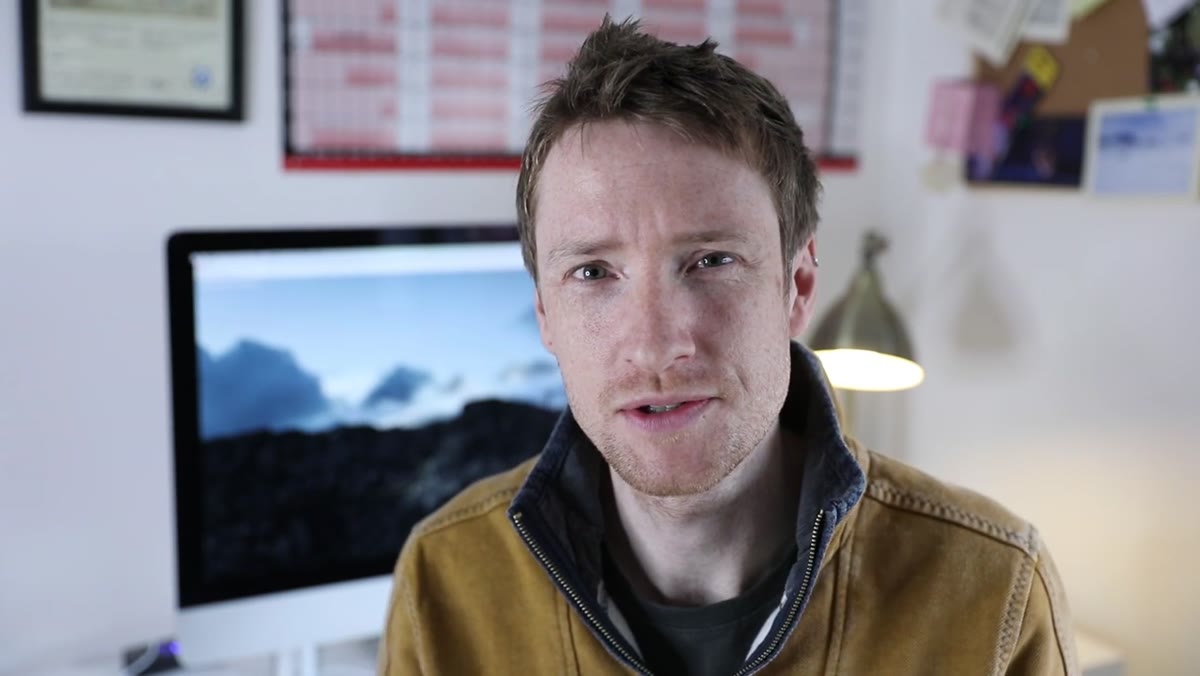 Thomas discussing his studio as bread and butter income alongside weddings and freelance work
Heaton’s studio became what he calls his bread and butter. Weddings, corporate headshots, product photography. None of it was glamorous, but it was reliable. This is a model I’ve used myself and still use. The commercial and editorial work I do for beauty brands and fashion clients funds the time I spend testing new lighting techniques, developing personal projects, and occasionally shooting on film just because I want to. If you treat your stable income stream as the enemy of your creative ambitions, you’ll burn it down before it’s had time to do its job. Protect the boring work. Let it buy you the hours you actually want.
Thomas discussing his studio as bread and butter income alongside weddings and freelance work
Heaton’s studio became what he calls his bread and butter. Weddings, corporate headshots, product photography. None of it was glamorous, but it was reliable. This is a model I’ve used myself and still use. The commercial and editorial work I do for beauty brands and fashion clients funds the time I spend testing new lighting techniques, developing personal projects, and occasionally shooting on film just because I want to. If you treat your stable income stream as the enemy of your creative ambitions, you’ll burn it down before it’s had time to do its job. Protect the boring work. Let it buy you the hours you actually want.
Step 4: Start the Side Project Before You Need It to Perform
 Thomas explaining he started YouTube two years prior as a hobby, not a business
This is the part of Heaton’s story that most photographers miss when they hear it. He started his YouTube channel two years before it became significant income. He wasn’t building a business. He was making something he enjoyed and sharing work he was proud of. The channel grew because the work was genuine, not because he had a content strategy. If you have a technique, a process, or a point of view worth sharing, start documenting it now. Write it, film it, post it. Don’t wait until it fits a monetization plan. The photographers and educators I respect most built audiences while they were still primarily photographers, not after they decided to become educators.
Thomas explaining he started YouTube two years prior as a hobby, not a business
This is the part of Heaton’s story that most photographers miss when they hear it. He started his YouTube channel two years before it became significant income. He wasn’t building a business. He was making something he enjoyed and sharing work he was proud of. The channel grew because the work was genuine, not because he had a content strategy. If you have a technique, a process, or a point of view worth sharing, start documenting it now. Write it, film it, post it. Don’t wait until it fits a monetization plan. The photographers and educators I respect most built audiences while they were still primarily photographers, not after they decided to become educators.
Step 5: Let Performance Data Tell You When to Shift Weight
 Thomas describing how landscape photography income began outperforming studio income
Heaton didn’t decide one day to become a landscape photographer who makes YouTube videos. He noticed, over time, that the income and opportunity coming from that direction were outpacing what the studio generated. Then he adjusted his schedule accordingly. This is how I think about expanding into any new service area, whether it’s adding video to a photography offering or branching into workshops. You don’t abandon the foundation. You watch the numbers for six to twelve months and let the data tell you when to shift weight. Heaton still does studio work. He’s just doing less of it because something else is now doing more.
Thomas describing how landscape photography income began outperforming studio income
Heaton didn’t decide one day to become a landscape photographer who makes YouTube videos. He noticed, over time, that the income and opportunity coming from that direction were outpacing what the studio generated. Then he adjusted his schedule accordingly. This is how I think about expanding into any new service area, whether it’s adding video to a photography offering or branching into workshops. You don’t abandon the foundation. You watch the numbers for six to twelve months and let the data tell you when to shift weight. Heaton still does studio work. He’s just doing less of it because something else is now doing more.
Step 6: Invest in Your Presentation Before You Think You Need To
 Thomas talking about redesigning his website from scratch with a developer
Heaton mentions that a viewer reached out and told him his website was poor, and he agreed. He then invested significant time and money into rebuilding it properly. This cost him months of delay and considerable budget. The takeaway isn’t that you need an expensive developer. It’s that your presentation layer matters more than you think it does while you’re in the middle of doing the work. I keep a lighting journal where I sketch every setup from every shoot, partly for reference and partly because it forces me to articulate what I did and why. That habit directly shaped how I present my services to clients. Document your process. Then present it clearly.
Thomas talking about redesigning his website from scratch with a developer
Heaton mentions that a viewer reached out and told him his website was poor, and he agreed. He then invested significant time and money into rebuilding it properly. This cost him months of delay and considerable budget. The takeaway isn’t that you need an expensive developer. It’s that your presentation layer matters more than you think it does while you’re in the middle of doing the work. I keep a lighting journal where I sketch every setup from every shoot, partly for reference and partly because it forces me to articulate what I did and why. That habit directly shaped how I present my services to clients. Document your process. Then present it clearly.
What I’d Add From the Studio Side
Heaton’s path runs through landscape photography, but the structural lessons apply directly to studio work. The one thing I’d push back on slightly is his description of studio photography as tedious. It can be, but that’s usually a sourcing problem, not a medium problem. When I started being more selective about the clients and projects I said yes to inside the studio, the work became interesting again. Tedium in studio work is often a sign that you’ve stopped curating your client list. Raise your rates, narrow your focus, and the shoots you’re left with tend to be the ones worth showing up for.
The single most important thing Heaton demonstrates in this video isn’t a technique or a piece of gear. It’s the value of patience with a long timeline. The photographers who are doing exactly what they want five years from now are usually the ones who started a parallel project five years ago and let it develop without forcing it to perform on a schedule. Start now. Measure later.
Watch the full tutorial on YouTube
Comments (1)
Just used this on a wedding shoot edit. Client was thrilled.
Leave a Comment