I shot a beauty campaign last spring where everything looked right on the back of the camera and completely fell apart in post. The highlights were blown, the shadows were muddy, and the client’s product looked like it was lit by someone who learned photography from a cereal box. I’d rushed my strobe setup, trusted my gut instead of a system, and paid for it. That experience sent me back to fundamentals, which is exactly how I ended up watching every Joel Grimes tutorial I could find.
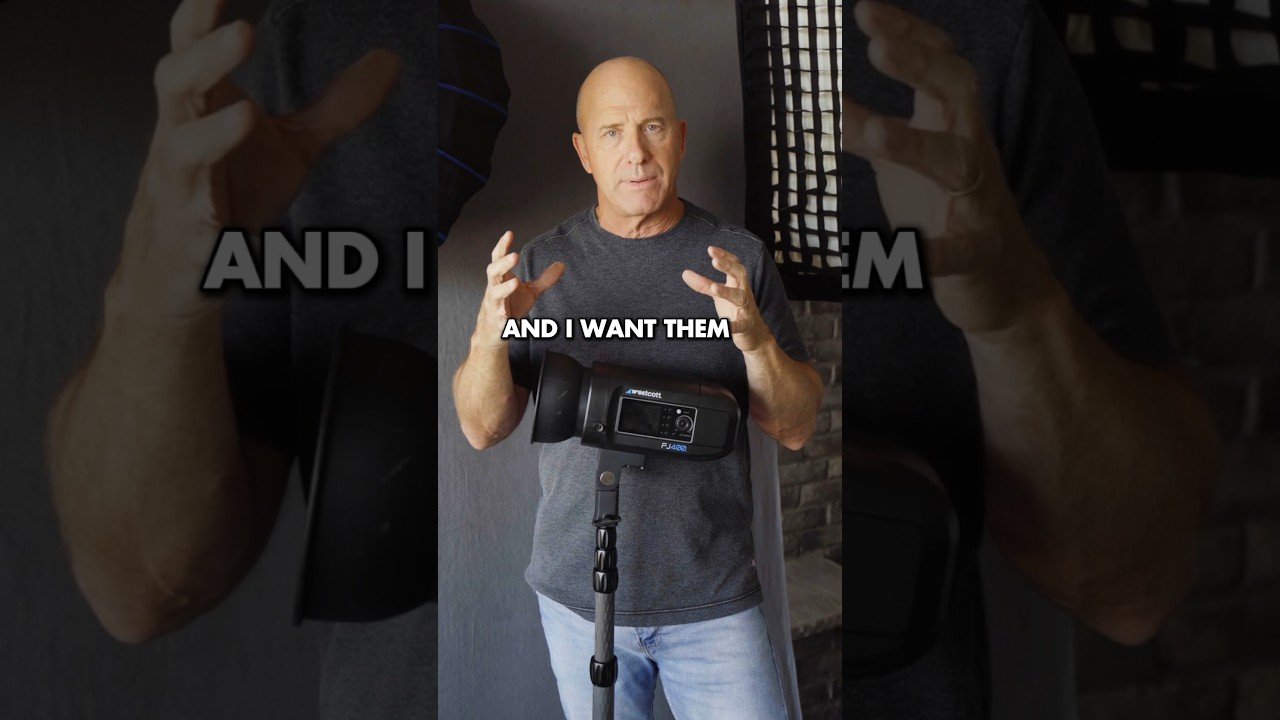
In this Joel Grimes tutorial on building a strobe system, he does something most gear-focused videos don’t bother to do: he explains the logic behind the choices, not just the choices themselves. That’s the difference between a recipe and an understanding of cooking.
Why a System Beats Intuition on Set
Working commercial and editorial means I’m often setting up in locations I’ve never been in before, with assistants I may have just met, under time pressure. Intuition is built over years but it’s also the first thing that goes sideways when you’re stressed. A system doesn’t care if you’re nervous.
Grimes approaches his strobe setup the same way I approach mine: from the outside in. You establish your ambient exposure first, then you bring in your strobes to complement or overpower that ambient light, depending on the look you’re after. This isn’t new thinking, but the way he sequences it removes ambiguity. You’re not guessing. You’re working through a checklist.
The other thing worth noting early: Grimes is explicit that the strobe system isn’t about any single light. It’s about the relationship between lights. That ratio thinking is what separates photographers who light consistently from photographers who occasionally nail it.
The Exposure Foundation: Ambient First, Strobes Second
Grimes starts by setting the camera to manual mode and dialing in the ambient exposure without any strobes firing. He’s looking for an underexposed ambient reading, typically pulling the scene down so that the background goes darker than natural. This gives the strobes somewhere to work. If your ambient is already at a correct exposure, you’ve left yourself no room to shape the light with flash.
For anyone building this into their own practice: shoot a frame with no strobes at your working aperture and shutter speed. If the frame is properly exposed or close to it, your shutter speed is too slow or your ISO is too high. Grimes typically works at 1/160 or 1/200 at the shutter, keeps ISO low (100 to 200), and lets the aperture do the heavy lifting for depth of field choices. The goal is a dark ambient frame that gives the strobe output full authority over the image.
Building the Main Light and Establishing Ratios
Once the ambient is locked, Grimes brings in his key light. He’s measuring output with a light meter rather than chimping the LCD, which matters more than most photographers admit. The LCD lies. The light meter doesn’t.
He establishes his key light power first, then brings fill in at a ratio relative to the key. A 2:1 ratio gives you relatively flat, commercial-friendly light. A 4:1 starts creating dimension and drama. He doesn’t just eyeball this. He meters both lights separately and adjusts until the ratio matches his intent for the shot. I use a Sekonic L-308X for exactly this on every setup, and I’ve started labeling the output settings on my strobes with masking tape so I can rebuild any setup from my lighting journal without hunting through a test shoot.
The fill in Grimes’ system isn’t an afterthought. It’s a structural element. Too often photographers treat fill like a correction, something you add when the shadows look bad. Grimes treats it as part of the design, and that shift in framing changes how you place it and how much you give it.
Where a Hair Light or Rim Light Enters the Chain
After key and fill are set, Grimes introduces separation lighting, typically a hair light or rim positioned behind and above the subject. This is where a lot of photographers add too much power and blow out the shoulder or the top of the head. His approach is to bring this light up slowly from zero and stop as soon as you see separation, not brilliance. There’s a difference between a light that lifts the subject off the background and one that makes them look like they’re radioactive.
The ratio for separation lights in his system tends to run equal to or slightly above the key light when you want high-energy, graphic results, and significantly below the key when you want something more naturalistic. Context drives that choice.
The One Place I’d Diverge from This Approach
This system works beautifully in a controlled studio. I’ve used a version of it on hundreds of shoots. But when I’m working in mixed light locations, like a warehouse with industrial fluorescents bleeding in from above, the ambient-first approach gets complicated fast. The color temperature of the ambient and the strobes can fight each other in ways that aren’t obvious until you’re looking at a calibrated monitor.
My adaptation is to add a color temperature check before I lock in the ambient exposure. I shoot a gray card under the ambient, pull that into Lightroom on my tethered laptop, and note the Kelvin reading. Then I gel my strobes to match before I start building the system. Grimes’ method is sound, but in mixed-light environments, color calibration has to come before the exposure work, not after. I learned that the hard way on an editorial shoot early in my career and haven’t skipped the step since.
The core lesson from Grimes’ tutorial is this: a strobe system is a set of relationships, not a collection of settings. Build the ratios intentionally and you can rebuild any look, anywhere. Watch the full tutorial to see how he demonstrates each stage visually: https://www.youtube.com/watch?v=C8gU-zKVTBs
Comments
Leave a Comment