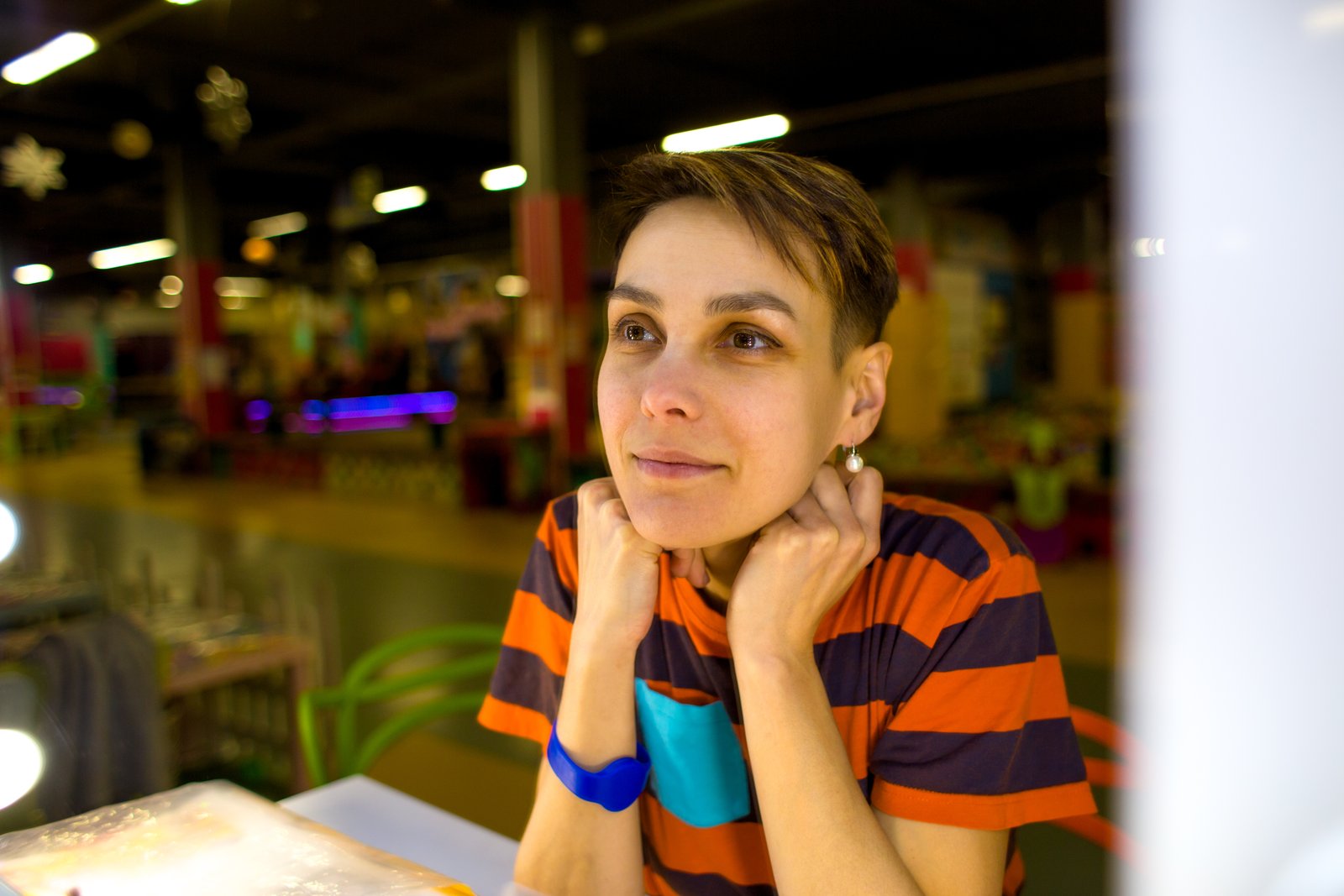
A Portrait of Resilience in the Studio
I’ve spent years studying how photographers master their craft, and I’ve always believed that access to knowledge—particularly hands-on experience with lighting, chemistry, and posing—is what separates professionals from enthusiasts. That’s why the story of Florestine Perrault Collins struck me so deeply. Here was a woman who understood that barrier better than most, and found a way through it.
Starting at Fourteen
Florestine began her photographic education at just fourteen years old, working in commercial studios across New Orleans. Her initial roles—photo finisher, developer, clerk—might sound like entry-level positions, but they were actually masterclasses in darkroom fundamentals and color theory. These weren’t desk jobs. They were hands-on apprenticeships in the technical foundation that every serious portrait photographer needs.
But there was a catch. To gain this access, Florestine had to let her employers believe she was white. As a woman of Creole descent in Jim Crow New Orleans, her actual identity would have locked her out of the darkroom entirely. This wasn’t just unfair; it was a deliberate exclusion from the very knowledge that could have made her career.
Building Her Own Business
What fascinates me most is what happened next. After spending years absorbing studio practices—how light falls on skin tones, how to pose subjects, how to manage the chemical processes that transform raw film into finished prints—Florestine eventually established her own portrait studio. For twenty-nine years, she ran a successful Black-owned studio, serving her own community with the expertise she’d acquired through determination and courage.
Lessons for Today’s Photographers
I think about this when I’m working through lighting setups with photographers in my own practice. The technical skills—understanding inverse square law, mastering key-to-fill ratios, knowing how to position a reflector for flattering Rembrandt lighting—these aren’t skills that should belong to anyone exclusively. They’re tools, like recipes, meant to be learned and shared.
Florestine’s story reminds us that the studio photography we practice today was built by countless hands, many of them working against impossible odds. Her studio became a place where her community could see themselves reflected professionally, with proper lighting and thoughtful posing—the same care that was denied to her as a learner.
That matters. And it should influence how we think about access to knowledge in our field.
Comments (7)
I've watched a dozen tutorials on this and yours is the clearest by far.
Well explained. I think my audience would really benefit from this — mind if I link to it?
Shared this with my photography group. Everyone loved it.
The tip about how one woman mastered studio was the missing piece for me. Thank you.
Excellent tutorial. I'd add that from a gear standpoint, this technique is incredibly versatile.
Shared this with my photography group. Everyone loved it.
Printing this out and pinning it next to my monitor. That good.
Leave a Comment