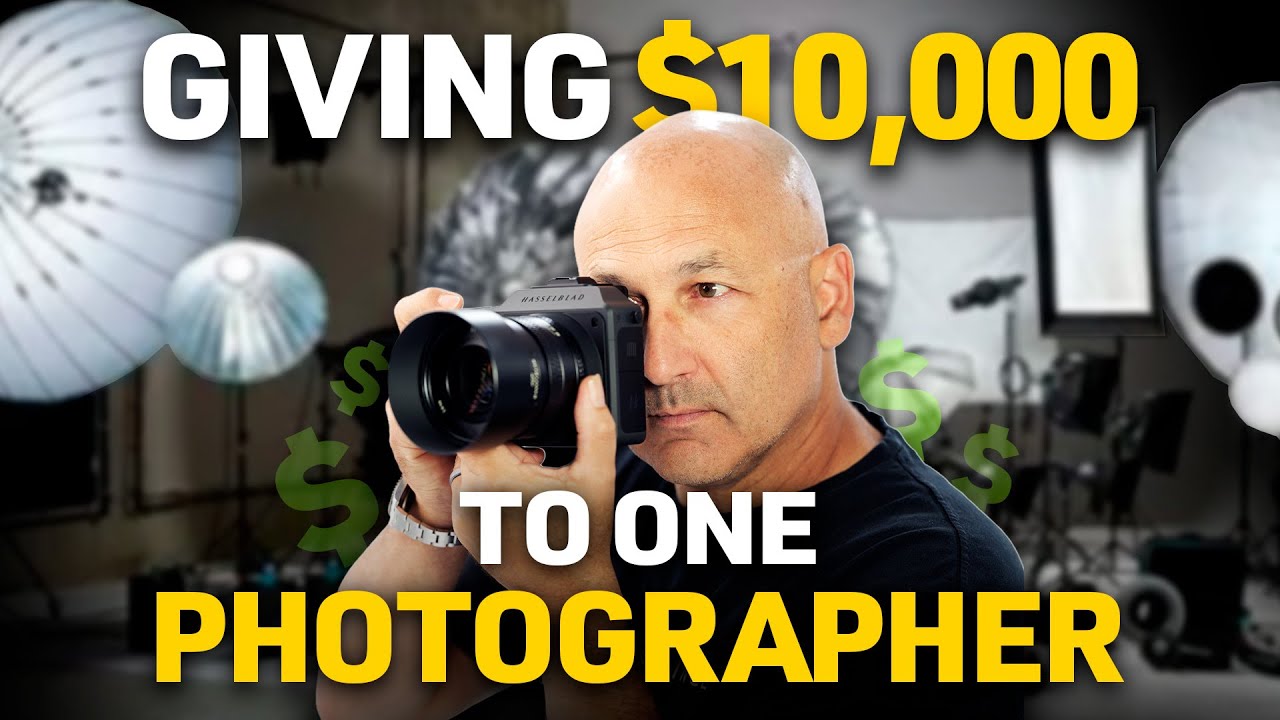
Every year I watch photographers burn enormous energy chasing a single contest win. One image, one submission, one shot at a prize. The odds are brutal and the feedback loop is nearly nonexistent. You either win or you disappear into the void. So when I came across this Visual Education tutorial explaining how they’ve restructured their entire annual competition around consistent participation rather than a single lucky frame, I paid close attention.
Watch the full tutorial on YouTube
The prize at the center of this is $10,000 in Broncolor lighting equipment, sponsored directly by Broncolor. I’ve shot with Broncolor gear on editorial jobs and the quality is not something I’m going to undersell here. That prize level is serious. But what caught my attention more than the dollar figure was the architecture of how you earn it. KL Taylor from Visual Education built something that rewards the photographers who actually show up, not just the ones who get lucky.
Step 1: Understand the League Table System
 KL Taylor explaining the league table scoring concept
The foundation of the whole competition is a running points table that accumulates across the entire year, structured like a professional sports league. Every time you enter a brief challenge, submit to a critique show, or participate in a competition on the platform, you earn points. The key distinction here is that you earn points for submitting at all, even if you don’t place. This is a meaningful design choice. It mirrors how professional photographers actually develop, through volume, through repetition, through showing up when it’s inconvenient.
KL Taylor explaining the league table scoring concept
The foundation of the whole competition is a running points table that accumulates across the entire year, structured like a professional sports league. Every time you enter a brief challenge, submit to a critique show, or participate in a competition on the platform, you earn points. The key distinction here is that you earn points for submitting at all, even if you don’t place. This is a meaningful design choice. It mirrors how professional photographers actually develop, through volume, through repetition, through showing up when it’s inconvenient.
If you only enter once and win, you earn fewer cumulative points than someone who entered ten times and won nothing. The person who grinds the process beats the person who gets lucky. For anyone who keeps a practice log or lighting journal, this structure should feel familiar. Consistency compounds.
Step 2: Engage With the Brief Challenges
 Description of the simulated client brief format
The brief challenges are the backbone of the points system and, honestly, the most valuable part of the platform regardless of any prize. Visual Education sets briefs the way an actual client would, with specific parameters, restrictions, and deliverable expectations. You don’t just photograph something pretty. You photograph something that satisfies defined requirements.
Description of the simulated client brief format
The brief challenges are the backbone of the points system and, honestly, the most valuable part of the platform regardless of any prize. Visual Education sets briefs the way an actual client would, with specific parameters, restrictions, and deliverable expectations. You don’t just photograph something pretty. You photograph something that satisfies defined requirements.
I started doing exercises like this early in my commercial career, reverse-engineering magazine layouts to understand why certain lighting choices were made. The brief format forces you to solve a specific problem rather than default to whatever you’re already comfortable with. If you’re trying to break into fashion or beauty work, there is no better simulation of what an art director actually hands you on a job.
Step 3: Submit to Critique Shows Throughout the Year
 KL Taylor listing critique show categories including portraiture and food
Critique shows run throughout the year across multiple disciplines, including portraiture, fashion, food photography, and CGI and 3D work. Each submission earns points toward the league table, but the critique itself is where the real value sits. Getting your work evaluated against professional standards in a structured format is something most photographers only access if they’re paying for a mentor or sitting through a workshop.
KL Taylor listing critique show categories including portraiture and food
Critique shows run throughout the year across multiple disciplines, including portraiture, fashion, food photography, and CGI and 3D work. Each submission earns points toward the league table, but the critique itself is where the real value sits. Getting your work evaluated against professional standards in a structured format is something most photographers only access if they’re paying for a mentor or sitting through a workshop.
Submit everything you’re eligible for. Even if a category isn’t your primary specialty, the act of working outside your comfort zone and receiving feedback on it will tighten your core work. I’ve learned more about how light behaves on skin from unexpected sources than from anything strictly within my lane. Broad feedback sharpens narrow focus.
Step 4: Enter the Annual Photography Awards
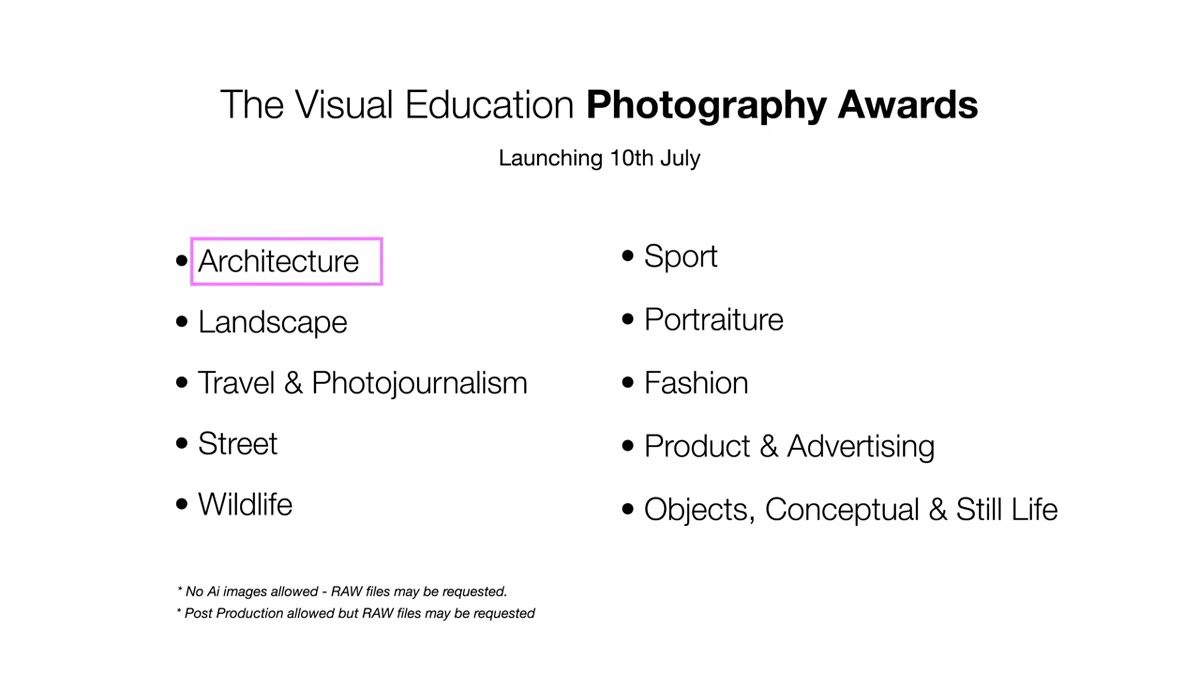 Ten award categories mentioned for the annual awards program
Midway through the year, Visual Education runs their annual photography awards with ten separate genre categories. Each category carries its own trophy and prize for the category winner. Entering these awards also generates points for the league table, so you’re earning toward the grand prize at the same time you’re competing for individual category recognition.
Ten award categories mentioned for the annual awards program
Midway through the year, Visual Education runs their annual photography awards with ten separate genre categories. Each category carries its own trophy and prize for the category winner. Entering these awards also generates points for the league table, so you’re earning toward the grand prize at the same time you’re competing for individual category recognition.
The practical move here is to identify which categories align with your portfolio and submit your strongest existing work while you still have time. Don’t wait until you have something perfect. Submit what you have, collect the points, and use the feedback to inform what you shoot next. Perfect is what keeps photographers out of competitions entirely.
Step 5: Know What the $10,000 Prize Actually Covers
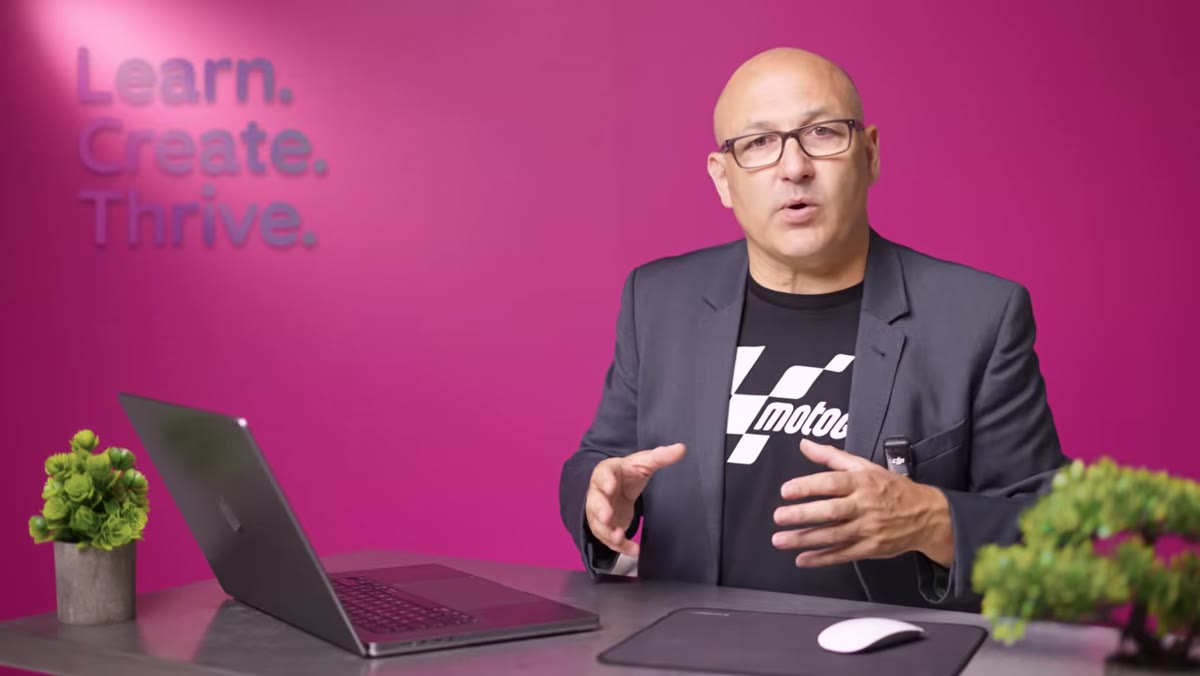 Breakdown of Broncolor equipment options including modifiers and power packs
The grand prize is $10,000 in Broncolor equipment, and Taylor is specific about the flexibility here. This isn’t a forced bundle. If you’re already running a different strobe system and you don’t want to switch, you can put the entire amount toward Broncolor modifiers and adapters that work with your existing gear. Broncolor’s modifier system is genuinely excellent and largely brand-agnostic with the right speedring.
Breakdown of Broncolor equipment options including modifiers and power packs
The grand prize is $10,000 in Broncolor equipment, and Taylor is specific about the flexibility here. This isn’t a forced bundle. If you’re already running a different strobe system and you don’t want to switch, you can put the entire amount toward Broncolor modifiers and adapters that work with your existing gear. Broncolor’s modifier system is genuinely excellent and largely brand-agnostic with the right speedring.
If you do want to transition to Broncolor power packs, location packs, or monolight-style units, that’s equally on the table. Think of it as a $10,000 credit you configure yourself. For a studio shooter, that level of flexibility means you’re not being handed gear that doesn’t fit your workflow. You’re building out exactly what your kit is missing.
Step 6: Assess Your Real Odds and Enter Now
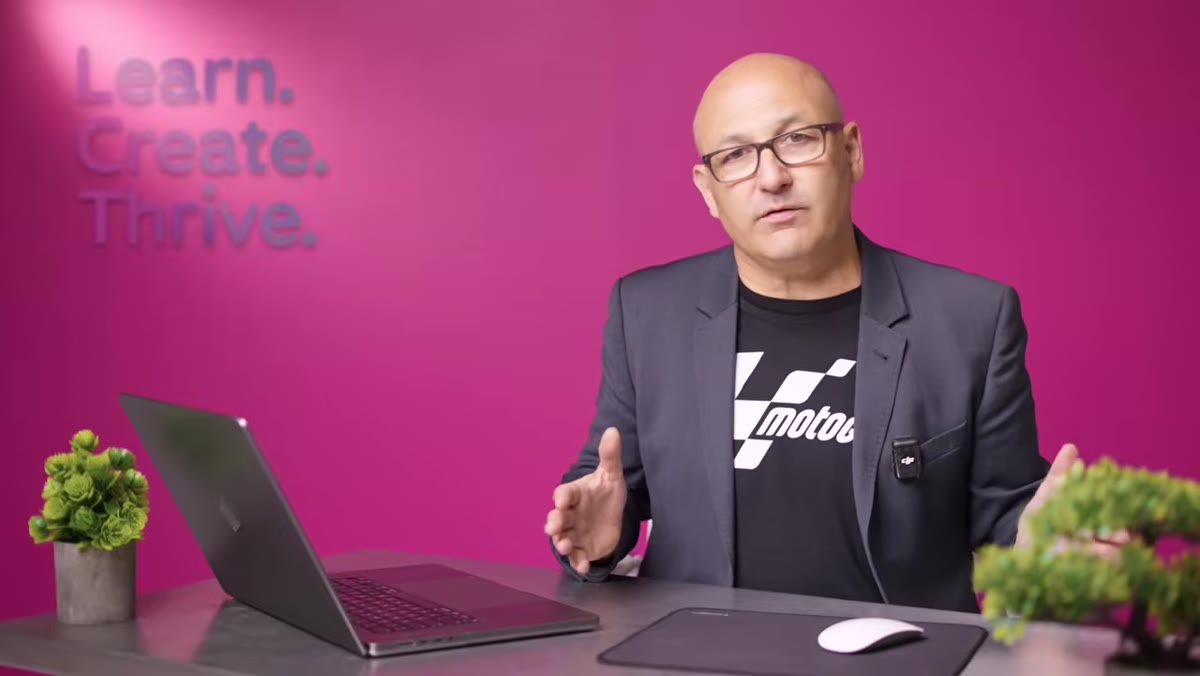 KL Taylor explaining the low active participation rate among platform members
Here’s the part most people overlook. Visual Education has thousands of members, but Taylor is direct about the fact that the vast majority of them don’t actively participate in critiques, briefs, and competitions. The pool of people actually accumulating points is a fraction of the total membership. The effective odds are far better than a standard photo contest with tens of thousands of active entries.
KL Taylor explaining the low active participation rate among platform members
Here’s the part most people overlook. Visual Education has thousands of members, but Taylor is direct about the fact that the vast majority of them don’t actively participate in critiques, briefs, and competitions. The pool of people actually accumulating points is a fraction of the total membership. The effective odds are far better than a standard photo contest with tens of thousands of active entries.
If you’ve already entered some activities this year but missed others, there’s still time to close that gap. Entering the remaining eligible submissions can move you up the table faster than you’d expect precisely because the active field is thin. And if the current year’s competition is already closed by the time you’re reading this, Taylor confirms the league table format will repeat annually. The system is ongoing.
My Caveat: Points Tables Only Work If You Treat the Briefs Seriously
I keep a dedicated notebook where I sketch every lighting setup from every shoot I do, rough diagrams with distances, modifiers, and power ratios. It takes about three minutes per setup and it has saved me hours of guesswork on return jobs. I mention this because the brief challenge format only delivers its full value if you treat each submission like a real job, not a homework assignment you’re completing for points.
The photographers who will benefit most from a system like this are the ones who document what they tried, note what didn’t match the brief requirements, and adjust the next time. Accumulating points by half-committing to briefs is a waste of the feedback opportunity. The gear prize is real, but the portfolio development running alongside it is what actually changes your career.
The single most important thing this tutorial made clear is that sustained, documented effort in a structured environment builds skills and competitive standing simultaneously. The league table just makes that principle visible. If you’re serious about studio and commercial work, this is the kind of platform that rewards the habits you should already be building.
Watch the full tutorial on YouTube to get the current competition details and submission deadlines directly from KL Taylor.
Comments
Leave a Comment