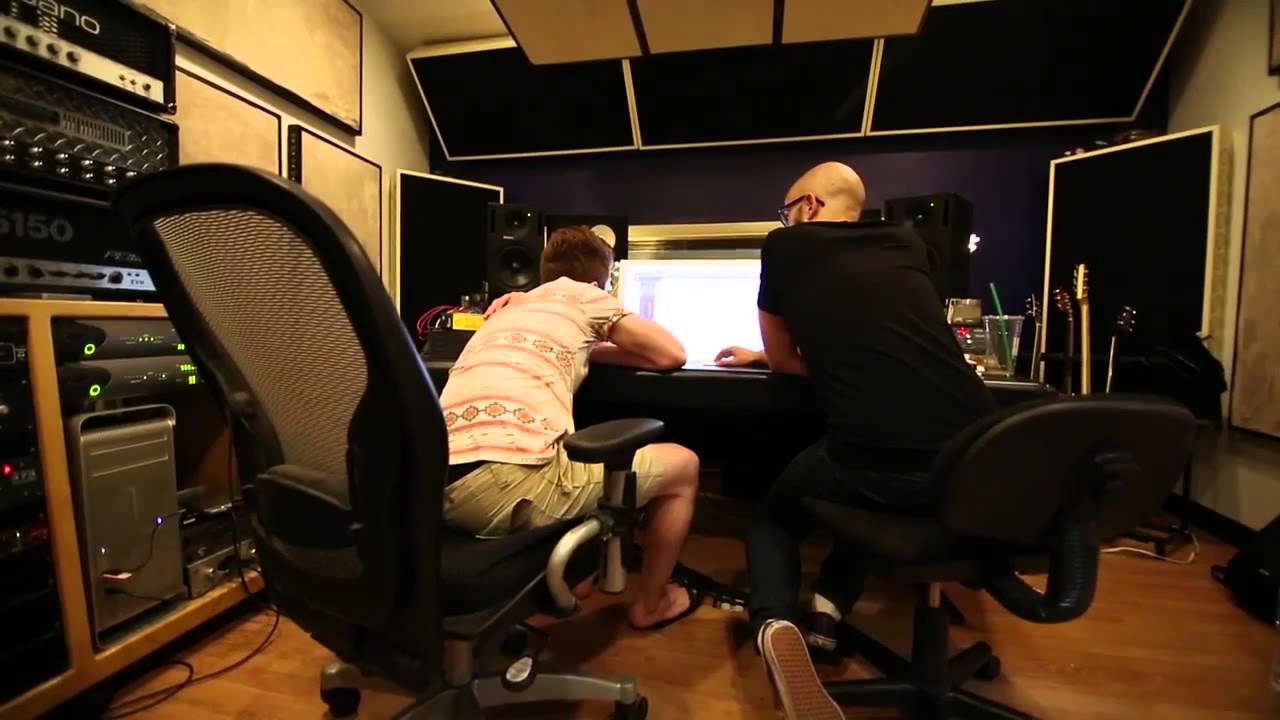
There’s a version of my job where I cut corners and nobody knows. Wrong color temperature, slightly soft focus, a speedlight flagged with gaffer tape instead of a proper grid. Half the time the client would never catch it. I know this because early in my career I did exactly that, and most of those images got approved without comment. The problem wasn’t the client’s eye. The problem was mine. Once I knew what I’d let slide, I couldn’t stop seeing it.
That’s why a particular CreativeLive tutorial stopped me mid-scroll. Watch the full tutorial on YouTube – the video features the band Periphery talking through the production of their double album Juggernaut, and on the surface it has nothing to do with photography. No modifiers. No color science. No talk of ratios. But every production principle they describe maps directly onto what separates a disciplined studio practice from a sloppy one. I watched it twice and then sketched notes into my lighting journal, which tells you everything about how useful I found it.
The tutorial is less a technical walkthrough and more a philosophy session from people who clearly hold their own work to a standard most would consider excessive. That’s the exact kind of professional I want to learn from.
Step 1: Start With a Clear Creative Brief – Written by the People Doing the Work
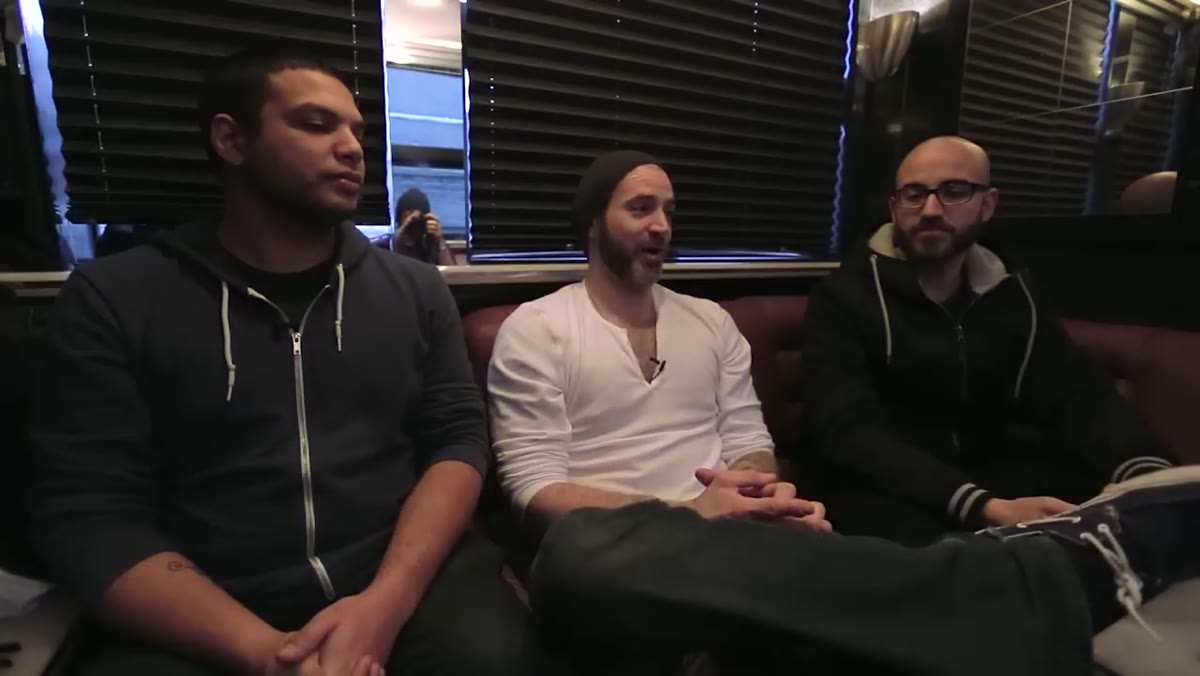 Band members discussing the intention behind their record
Periphery’s guitarist describes writing the record for themselves first, with a specific story they wanted to tell and specific music they wanted to hear. The brief wasn’t handed down. It came from inside the team. This is how every strong studio shoot I’ve been on has worked. Before a single light goes up, I write down what the image needs to do – the mood, the quality of light, the emotional register. Not a mood board someone emailed me. My own words, specific enough that I can check any lighting decision against them. If the brief says “clinical and precise,” a beauty dish with a sock diffuser is the wrong call. Knowing your intention in advance makes gear choices obvious instead of arbitrary.
Band members discussing the intention behind their record
Periphery’s guitarist describes writing the record for themselves first, with a specific story they wanted to tell and specific music they wanted to hear. The brief wasn’t handed down. It came from inside the team. This is how every strong studio shoot I’ve been on has worked. Before a single light goes up, I write down what the image needs to do – the mood, the quality of light, the emotional register. Not a mood board someone emailed me. My own words, specific enough that I can check any lighting decision against them. If the brief says “clinical and precise,” a beauty dish with a sock diffuser is the wrong call. Knowing your intention in advance makes gear choices obvious instead of arbitrary.
Step 2: Treat Setup Time as Sacred – Don’t Rush the Foundation
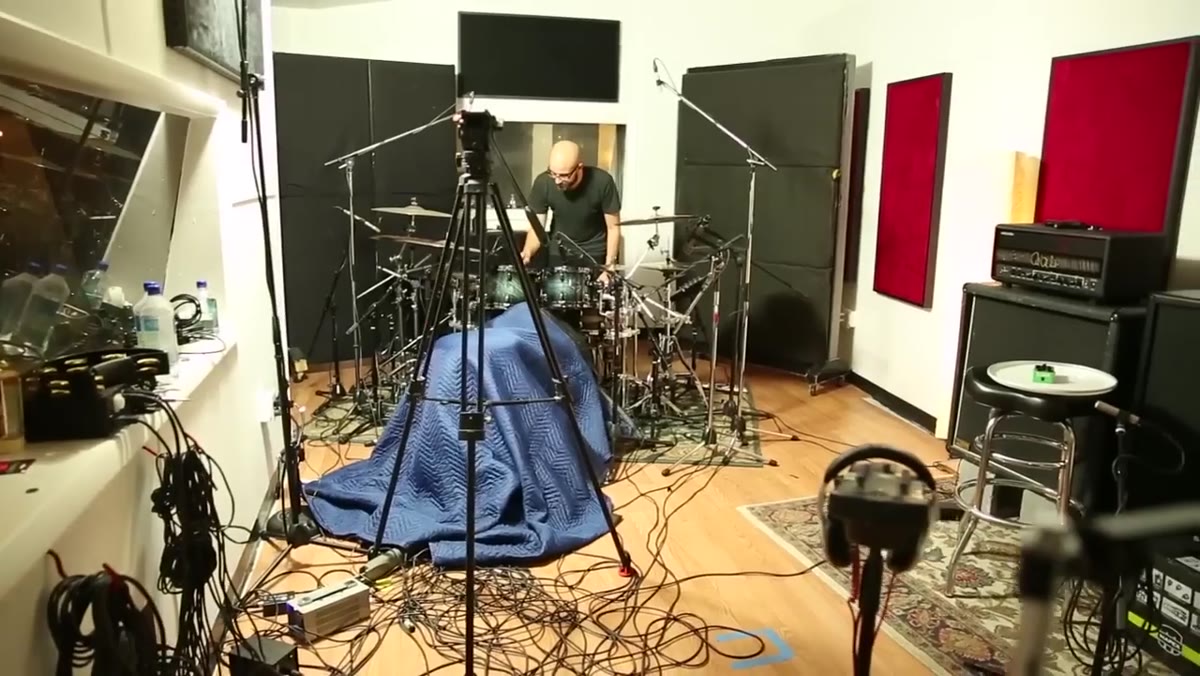 Discussion of the multi-week drum tracking process at Oceanic Recording
The band spent nearly two weeks on drum tracking alone, renting a room specifically to get that one element right before moving on. In studio photography, the equivalent is your key light placement. I’ve watched photographers spend forty-five minutes on hair lights and then muscle the key into position in five minutes because the client is waiting. That’s backwards. The key light is the foundation. Everything else is trimming. I now build my key position first, meter it, make a small sketch in my lighting journal, and only then reach for fill and accent sources. If the foundation is off, no amount of adjustment to secondary lights will fix the image. It will always feel slightly wrong, even to people who can’t explain why.
Discussion of the multi-week drum tracking process at Oceanic Recording
The band spent nearly two weeks on drum tracking alone, renting a room specifically to get that one element right before moving on. In studio photography, the equivalent is your key light placement. I’ve watched photographers spend forty-five minutes on hair lights and then muscle the key into position in five minutes because the client is waiting. That’s backwards. The key light is the foundation. Everything else is trimming. I now build my key position first, meter it, make a small sketch in my lighting journal, and only then reach for fill and accent sources. If the foundation is off, no amount of adjustment to secondary lights will fix the image. It will always feel slightly wrong, even to people who can’t explain why.
Step 3: Rent the Better Space – The Environment Shapes the Work
 Band discovering a larger available studio down the hallway
When the band found a larger, better-suited studio available down the hall, they took it, even though it was slightly dilapidated. The space influenced what was possible. This is something I had to learn the hard way. For years I shot in a space that was too small for the work I was trying to do. I was fighting the room on every job – ceiling too low for the softbox height I needed, walls too close for proper falloff. When I finally moved into a larger rental studio, the images improved before I touched a single light setting. The room gives you the light. Your modifiers just shape it.
Band discovering a larger available studio down the hallway
When the band found a larger, better-suited studio available down the hall, they took it, even though it was slightly dilapidated. The space influenced what was possible. This is something I had to learn the hard way. For years I shot in a space that was too small for the work I was trying to do. I was fighting the room on every job – ceiling too low for the softbox height I needed, walls too close for proper falloff. When I finally moved into a larger rental studio, the images improved before I touched a single light setting. The room gives you the light. Your modifiers just shape it.
Step 4: Define Working Hours – Protect Your Judgment
 Guitarist explaining the band’s 11-to-7 daily working schedule
This one I resisted for years because it sounded like something a business consultant would say, not a photographer. But Periphery’s guitarist makes the point with real precision: when you don’t set boundaries on session length, you overextend on one day and then drag yourself through the next. In the studio, decision fatigue is a genuine threat to image quality. My best work happens in hours two through five. By hour eight I’m approving frames I’d reject in the morning. I now schedule shoots with hard stop times and build in a reset period between setups. The quality of your final selects in a six-hour session will beat the quality of your final selects in a ten-hour one, almost every time.
Guitarist explaining the band’s 11-to-7 daily working schedule
This one I resisted for years because it sounded like something a business consultant would say, not a photographer. But Periphery’s guitarist makes the point with real precision: when you don’t set boundaries on session length, you overextend on one day and then drag yourself through the next. In the studio, decision fatigue is a genuine threat to image quality. My best work happens in hours two through five. By hour eight I’m approving frames I’d reject in the morning. I now schedule shoots with hard stop times and build in a reset period between setups. The quality of your final selects in a six-hour session will beat the quality of your final selects in a ten-hour one, almost every time.
Step 5: No Shortcuts – Even When No One Would Notice
 Band discussing corners they chose not to cut in production
The guitarist says directly that there were shortcuts available on this record that no one outside the band would have noticed. They didn’t take them anyway. He frames it not as perfectionism but as a shared standard the whole band held without discussion. This is the part of the tutorial that I think matters most to working photographers. There are things I do on every shoot that appear on no invoice and that no client has ever specifically requested. I tape every light position with a small strip of masking tape so I know exactly where I started if I need to reset. I run a gray card frame at the start of every lighting setup. I test every modifier when it arrives rather than waiting for a job. None of these things show up in the final image in any way I could point to. But they mean I’m never guessing, and guessing is where quality starts to bleed out.
Band discussing corners they chose not to cut in production
The guitarist says directly that there were shortcuts available on this record that no one outside the band would have noticed. They didn’t take them anyway. He frames it not as perfectionism but as a shared standard the whole band held without discussion. This is the part of the tutorial that I think matters most to working photographers. There are things I do on every shoot that appear on no invoice and that no client has ever specifically requested. I tape every light position with a small strip of masking tape so I know exactly where I started if I need to reset. I run a gray card frame at the start of every lighting setup. I test every modifier when it arrives rather than waiting for a job. None of these things show up in the final image in any way I could point to. But they mean I’m never guessing, and guessing is where quality starts to bleed out.
Step 6: Sound Comes From the Player, Not the Gear
 Drummer explaining that sound originates from physical build and mindset, not equipment
Periphery’s drummer teaches students who want to know his drum sizes and cymbal brands. His answer is generous but pointed: gear information is worth sharing, but the sound comes from how you’re physically built and how your mind works with your body. Every photographer I respect says something equivalent eventually. Light modifiers matter. The quality of your strobe matters. But the reason two photographers using the same octabox in the same room produce fundamentally different images is that light placement is an expression of how you see. I keep a lighting diagram app on my phone that I designed myself, and the thing I track most carefully isn’t which modifier I used – it’s the angle and the distance. Those are the variables that carry your eye into the image.
Drummer explaining that sound originates from physical build and mindset, not equipment
Periphery’s drummer teaches students who want to know his drum sizes and cymbal brands. His answer is generous but pointed: gear information is worth sharing, but the sound comes from how you’re physically built and how your mind works with your body. Every photographer I respect says something equivalent eventually. Light modifiers matter. The quality of your strobe matters. But the reason two photographers using the same octabox in the same room produce fundamentally different images is that light placement is an expression of how you see. I keep a lighting diagram app on my phone that I designed myself, and the thing I track most carefully isn’t which modifier I used – it’s the angle and the distance. Those are the variables that carry your eye into the image.
What I’d Add From My Own Experience
The one thing the tutorial doesn’t address directly is what happens when the team’s shared standard breaks down under deadline pressure. In a band, everyone can hold the line together. In commercial photography, the pressure usually comes from outside the creative team – an art director who needs to leave, a talent booking that’s running over. My answer to that is preparation that goes deeper than the shoot itself. I now build a full lighting diagram for every job before I arrive on set. Not a rough sketch – a dimensioned plan with light positions, modifier specs, and expected ratios. When someone pushes me to move faster, I can work faster because I’ve already done the thinking. The plan is on my phone. I’m not improvising under pressure. I’m executing what I already decided when no one was rushing me.
The single most important thing Periphery articulates in this tutorial is the idea of a shared mantra that doesn’t require argument or discussion – everyone simply knows the standard and holds to it. In a solo practice, that mantra has to live inside you. “It’s got to be right” sounds simple. Making it the actual operating principle of how you work is the entire job.
Watch the full tutorial on YouTube and see how clearly these principles come through when someone who’s genuinely internalized them tries to explain how they work.
Comments (1)
Bookmarked. Coming back to this one for sure.
Leave a Comment