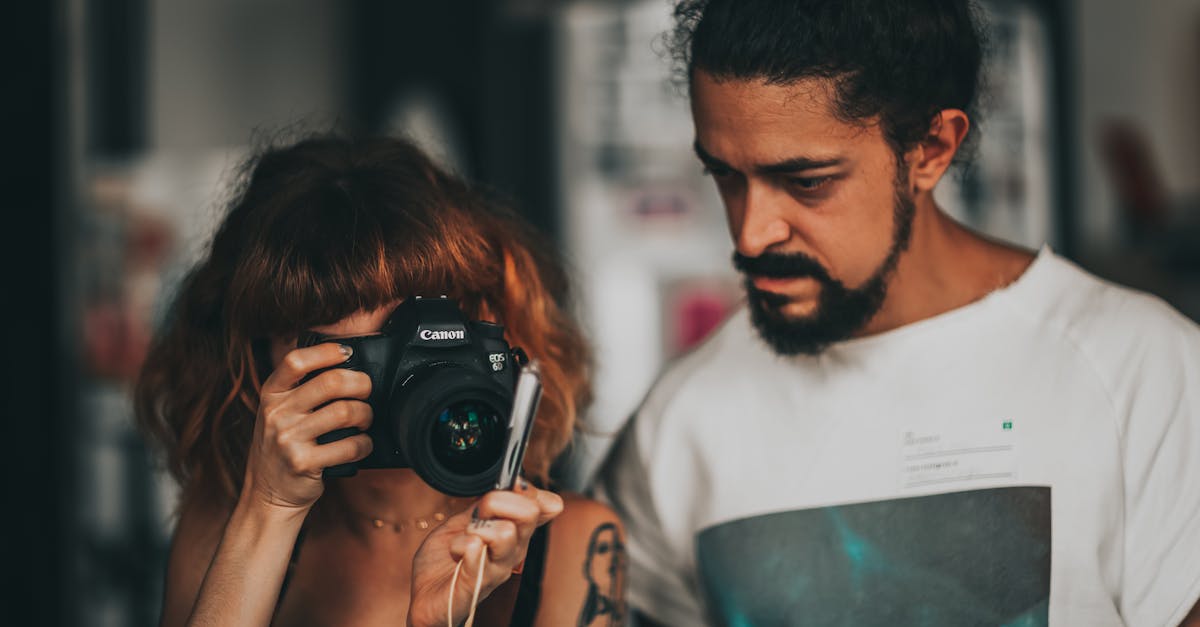
Low Key Lighting: The Master’s Guide to Shadow and Control
Low key lighting isn’t moody for mood’s sake—it’s a disciplined approach to controlling what your viewer sees and, more importantly, what they don’t. I’ve spent twenty years refining this technique, and I’m going to give you the exact framework I use on every low key shoot.
What Low Key Actually Means
Let me be direct: low key doesn’t mean dark. It means a ratio between highlights and shadows of at least 4:1, typically ranging to 8:1 or higher. A ratio of 4:1 means your shadow areas are four times darker than your highlights. This creates separation, drama, and visual authority.
The mistake most photographers make is assuming they need exotic gear. They don’t. I’ve created stunning low key portraits with a single Profoto B10 and a reflector. Gear doesn’t create the aesthetic—ratio does.
The Three-Light Foundation
Here’s my tested recipe for consistent low key results:
Main Light (Key Light): Position this 45 degrees to camera left, roughly 3-4 feet from your subject at a 45-degree angle downward. I use a 3-foot octabox because it gives me directional light without harsh edges. Power: start at 2.0 stops above your target exposure, then adjust.
Fill Light: This is where amateurs go wrong. Don’t use a reflector and call it a day. A second light at 1-2 stops below your key light, positioned camera right, controls shadow density. Place it lower than your key light—this prevents flat, even lighting that kills dimension.
Separation/Hair Light: Position this behind and above your subject at 5-6 feet away, powered at 1-1.5 stops above key. This light never touches the front of your face. Its only job is creating rim definition against the dark background.
Background Control Is Everything
Your background isn’t a canvas—it’s a tool. Use pure black, and place it 8-10 feet behind your subject. At this distance, your separation light won’t spill onto it, and your subject maintains proper depth from the background.
I meter the background separately. It should read at least 2 stops darker than your shadow areas. If it reads above that, either move your subject further forward or kill any ambient light in the room. I work in completely blacked-out studios specifically for this control.
Camera Settings That Lock It In
I shoot:
- Aperture: f/2.8 to f/5.6 (depending on subject distance and depth-of-field needs)
- Shutter: 1/160th (sync speed for my strobes)
- ISO: 100 (lowest native)
These aren’t suggestions—they’re my baseline. Your ratio is determined by light placement and power, not camera settings. Camera settings simply expose for your key light correctly. I meter for the highlight detail on the cheekbone closest to the key light, and I expose for that zone.
Posing for Low Key Impact
Low key lighting demands angular poses. Straight-on, centered compositions look flat. Turn your subject 30-45 degrees away from the key light. This maximizes the transition between lit and shadow areas.
The jawline becomes your visual anchor. In low key, the transition from cheekbone highlight to neck shadow should be clean and defined. If your subject’s neck disappears into shadow, move your fill light up or increase its power.
Eyes need special attention. They must catch light—either from your key or from a subtle eye light positioned just above and behind your camera. Dark, featureless eyes kill a low key portrait.
The Technical Discipline
Low key separates technical photographers from casual ones. It demands you understand light ratios, metering zones, and background control. There’s no room for guessing.
Start with these ratios locked in. Once you can execute them consistently, you can break them intentionally. But break them before you master them, and your work looks amateur.
This approach has never failed me in fifteen years of commercial work. Follow it exactly, and it won’t fail you either.
Comments (1)
Tried this technique this morning. Game changer for real.
Leave a Comment