
Most of my working life happens inside four walls with light I’ve placed myself. I know exactly where every photon is coming from. Street photography is the opposite of that, and for years I kept a comfortable distance from it. But lately I’ve been thinking more seriously about how I observe people in uncontrolled environments, partly because it feeds my editorial eye, and partly because the compositional instincts you build on the street are impossible to develop any other way. The problem I kept running into was the same one a lot of photographers describe: people see a camera pointed at them and they shut down, turn away, or get genuinely hostile. The social contract around being photographed has shifted, and pretending otherwise doesn’t help anyone.
Watch the full tutorial on YouTube
In this Sean Tucker tutorial, filmed on the streets of London with photographer Joshua K. Jackson, the core argument is this: the confrontational style of street photography that worked in the 1960s and 70s doesn’t fit the current cultural moment. Cameras are everywhere now, intentions are harder to read, and images can reach millions of people overnight. Tucker and Jackson propose a different approach, one built on abstraction, anonymity, and a genuine respect for the people in front of your lens. What follows is my breakdown of the techniques they demonstrate and how I’d apply them to a working photographer’s practice.
Step 1: Recognize Why the Old Approach Has Stopped Working
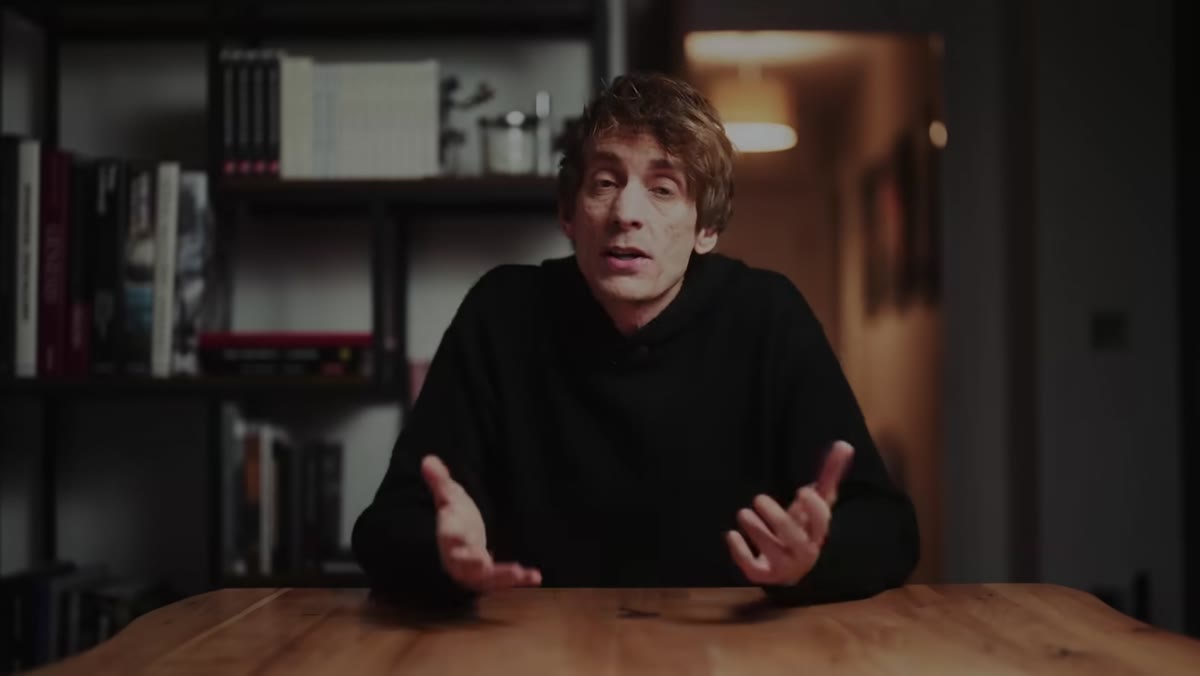 Sean Tucker explaining why street photography feels harder today
Before you pick up your camera, understand the context you’re operating in. Tucker opens by pointing out that decades ago, a person walking the streets with a camera was almost certainly a professional or serious artist. Film was expensive. Equipment was expensive. That assumed legitimacy created social permission. Today, every phone is a capable camera, which means the range of possible intentions behind someone photographing you has expanded enormously in the public imagination. The person photographing you might be a fine art photographer. They might also be someone with far less honorable intentions.
Sean Tucker explaining why street photography feels harder today
Before you pick up your camera, understand the context you’re operating in. Tucker opens by pointing out that decades ago, a person walking the streets with a camera was almost certainly a professional or serious artist. Film was expensive. Equipment was expensive. That assumed legitimacy created social permission. Today, every phone is a capable camera, which means the range of possible intentions behind someone photographing you has expanded enormously in the public imagination. The person photographing you might be a fine art photographer. They might also be someone with far less honorable intentions.
That shift in perception isn’t irrational, and as Tucker argues, fighting against it by insisting on your legal right to photograph in public is the wrong move. The better move is to adapt your approach so that your presence reads as less threatening and your images are stronger for it.
Step 2: Shift Your Goal From Documentation to Abstraction
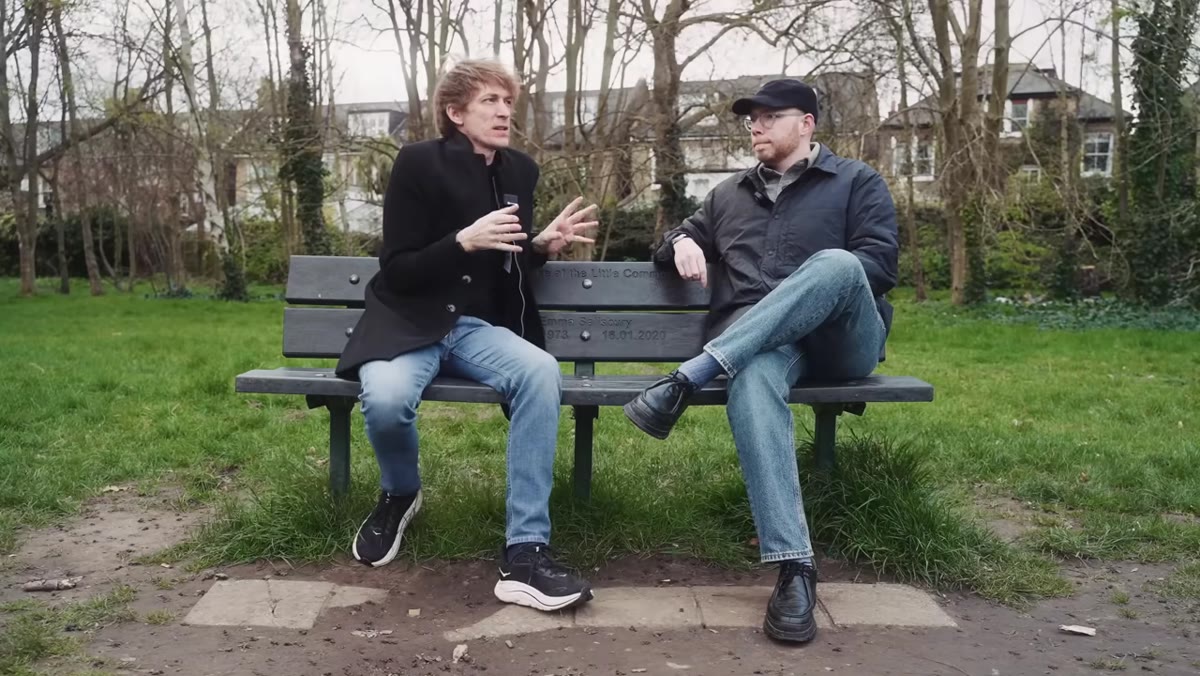 Joshua K. Jackson discussing his move away from traditional street photography
Jackson describes starting out the way most street photographers do: one focal length, one area, making direct pictures of what things look like. He found it limiting, creatively and ethically. His pivot was toward images that lean on ambiguity rather than direct identification. Instead of making a picture that says “this is a specific person doing a specific thing in a specific place,” he started making pictures that raise questions rather than answer them.
Joshua K. Jackson discussing his move away from traditional street photography
Jackson describes starting out the way most street photographers do: one focal length, one area, making direct pictures of what things look like. He found it limiting, creatively and ethically. His pivot was toward images that lean on ambiguity rather than direct identification. Instead of making a picture that says “this is a specific person doing a specific thing in a specific place,” he started making pictures that raise questions rather than answer them.
Practically, this means you stop chasing the decisive moment where a face is clearly visible and an action is clearly readable. You start chasing something more elusive: shape, color, shadow, gesture without identity. The technical challenge is actually harder, but the creative reward and the ethical position are both stronger.
Step 3: Use Anonymity as a Compositional Tool
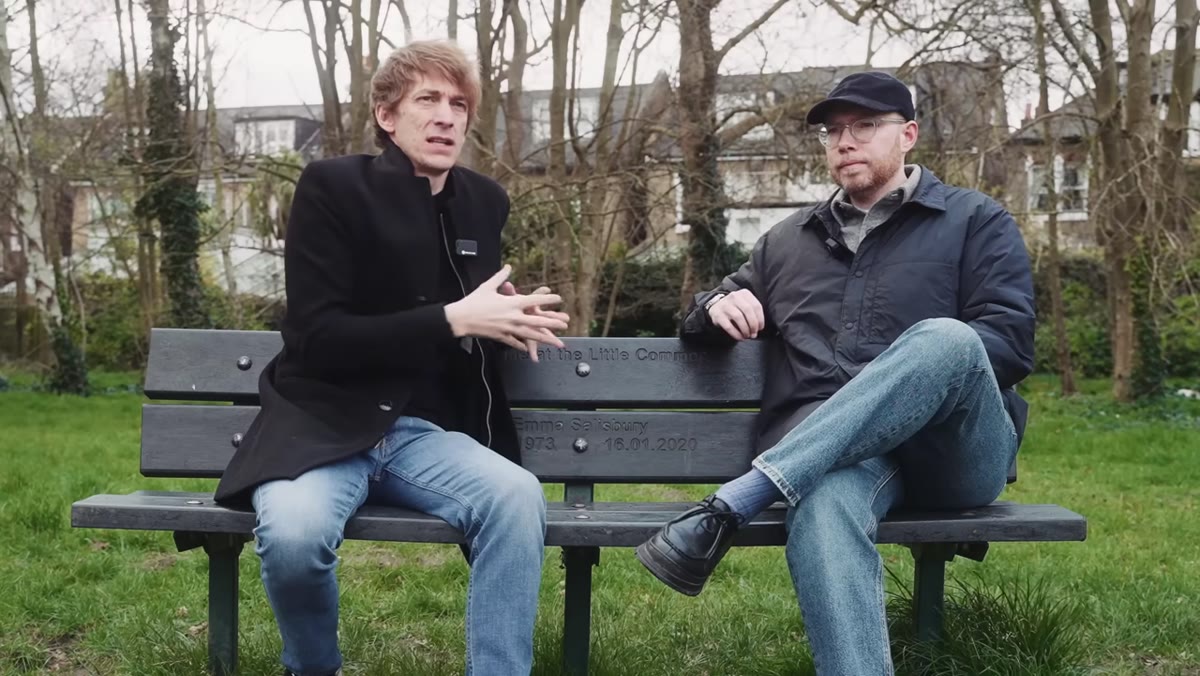 Jackson explaining abstraction through strong colors and partial figures
Jackson specifically mentions hiding things, using strong colors, and working with partial figures. This is a compositional strategy, not just an ethical workaround. When you remove a face from a photograph, you force the viewer to engage with other visual elements. The body becomes a shape. Clothing becomes texture and color. The relationship between a figure and its environment becomes the subject rather than the person themselves.
Jackson explaining abstraction through strong colors and partial figures
Jackson specifically mentions hiding things, using strong colors, and working with partial figures. This is a compositional strategy, not just an ethical workaround. When you remove a face from a photograph, you force the viewer to engage with other visual elements. The body becomes a shape. Clothing becomes texture and color. The relationship between a figure and its environment becomes the subject rather than the person themselves.
In practical terms, this means looking for moments where a subject’s back is turned, where they’re partially obscured by architecture or light, or where they exist as a silhouette or shadow rather than a fully rendered person. A person crossing a beam of strong directional light and rendered entirely as a dark shape against a bright wall is more formally interesting than the same person photographed straight-on, and no one can identify them.
Step 4: Let Play Drive Your Process
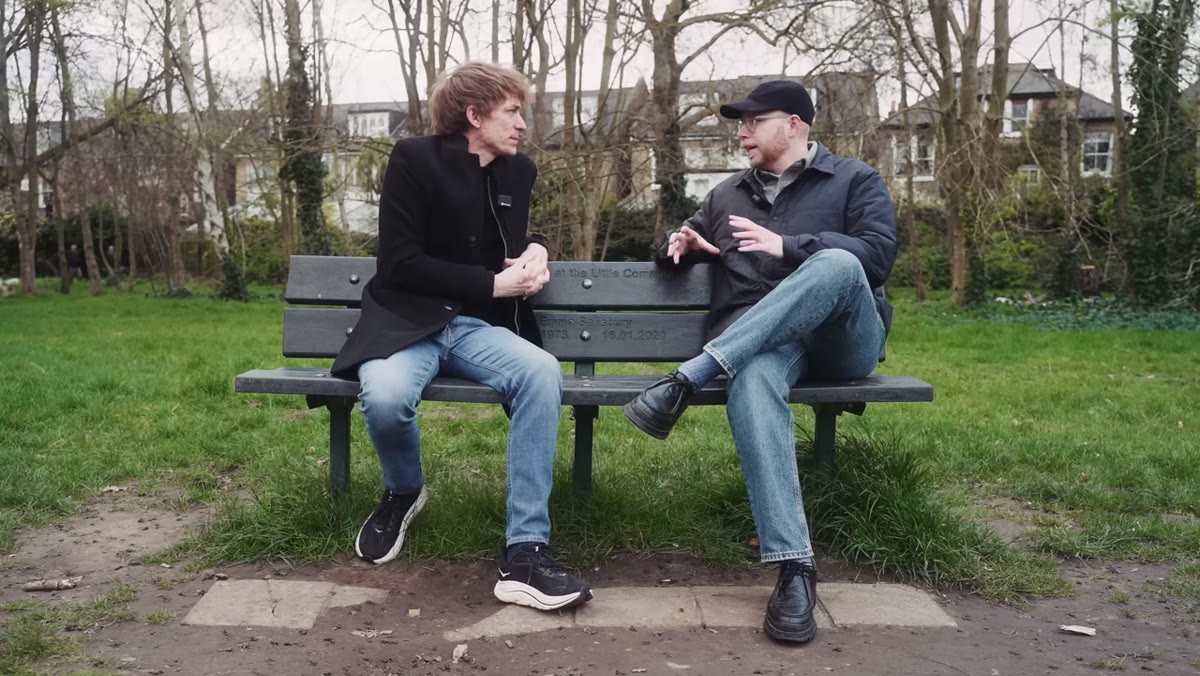 Jackson describing his experimental, playful approach to image-making
Jackson uses the word “play” more than once, and Tucker clearly responds to it. This isn’t just a personality trait. It’s a working method. Jackson describes his current approach as one that gives him freedom, specifically because he’s released himself from the obligation to document things faithfully or to produce a certain kind of picture.
Jackson describing his experimental, playful approach to image-making
Jackson uses the word “play” more than once, and Tucker clearly responds to it. This isn’t just a personality trait. It’s a working method. Jackson describes his current approach as one that gives him freedom, specifically because he’s released himself from the obligation to document things faithfully or to produce a certain kind of picture.
If you’re used to studio work like I am, this idea is both liberating and slightly uncomfortable. In the studio I design every variable. On the street, play means accepting that you don’t know what you’re going to get, and that’s the point. Try different focal lengths on the same location. Shoot through glass, reflections, crowds. Get low, get high, put something between you and your subject. The constraint of ethics here actually functions like any other creative constraint: it forces you toward solutions you wouldn’t have found otherwise.
Step 5: Treat the Power of Omission as a Strength
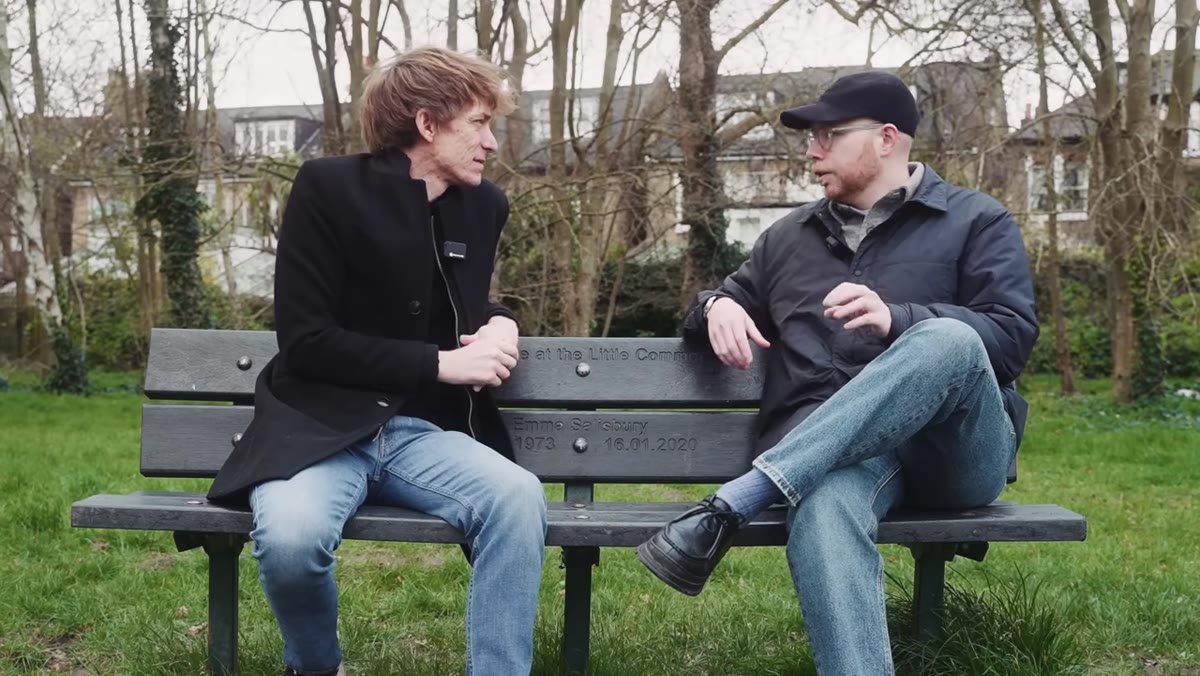 Jackson discussing ambiguity and the power of omission in street images
Jackson phrases this precisely: he talks about “leaning on the power of omission.” This is a principle I’ve thought about a lot in studio work, where the difference between a great beauty shot and a forgettable one often comes down to how much information you withhold from the viewer. You don’t light everything evenly. You let shadow do work. You let the viewer’s imagination complete the image.
Jackson discussing ambiguity and the power of omission in street images
Jackson phrases this precisely: he talks about “leaning on the power of omission.” This is a principle I’ve thought about a lot in studio work, where the difference between a great beauty shot and a forgettable one often comes down to how much information you withhold from the viewer. You don’t light everything evenly. You let shadow do work. You let the viewer’s imagination complete the image.
The same principle applies on the street. An image that shows everything leaves nothing for the viewer to bring to it. An image that suggests, implies, and partially conceals creates a dialogue. From an ethical standpoint, omission also means your subject remains anonymous, which removes the most significant source of friction between photographer and photographed.
A Studio Photographer’s Addendum: Formalism Transfers
I keep a lighting journal, sketches of every setup from every shoot. What Tucker and Jackson’s approach made me realize is that a similar log for outdoor observation would be worth keeping. Not just “interesting location” but a record of how light fell at a certain time of day, what surfaces bounced it in unexpected ways, where contrast was hard enough to render people as pure graphic shapes.
The formal instincts you develop in the studio, controlling for direction, quality, and contrast of light, are directly applicable to reading a street environment. When Jackson talks about looking for strong colors and abstract shapes, he’s essentially describing a photographer who has trained their eye to see light as a sculptor rather than a recorder. That training happens anywhere, but it’s worth noting that the discipline of studio lighting builds exactly the visual vocabulary Jackson is drawing on when he works outside.
The single most important idea in this tutorial is deceptively simple: the constraint of ethics and the pursuit of artistry are not in tension. They point in the same direction. Making images that respect your subject’s anonymity pushes you toward stronger, more formally resolved photographs. That’s the argument Tucker and Jackson are making, and watching them demonstrate it in the field is worth your time.
Comments
Leave a Comment