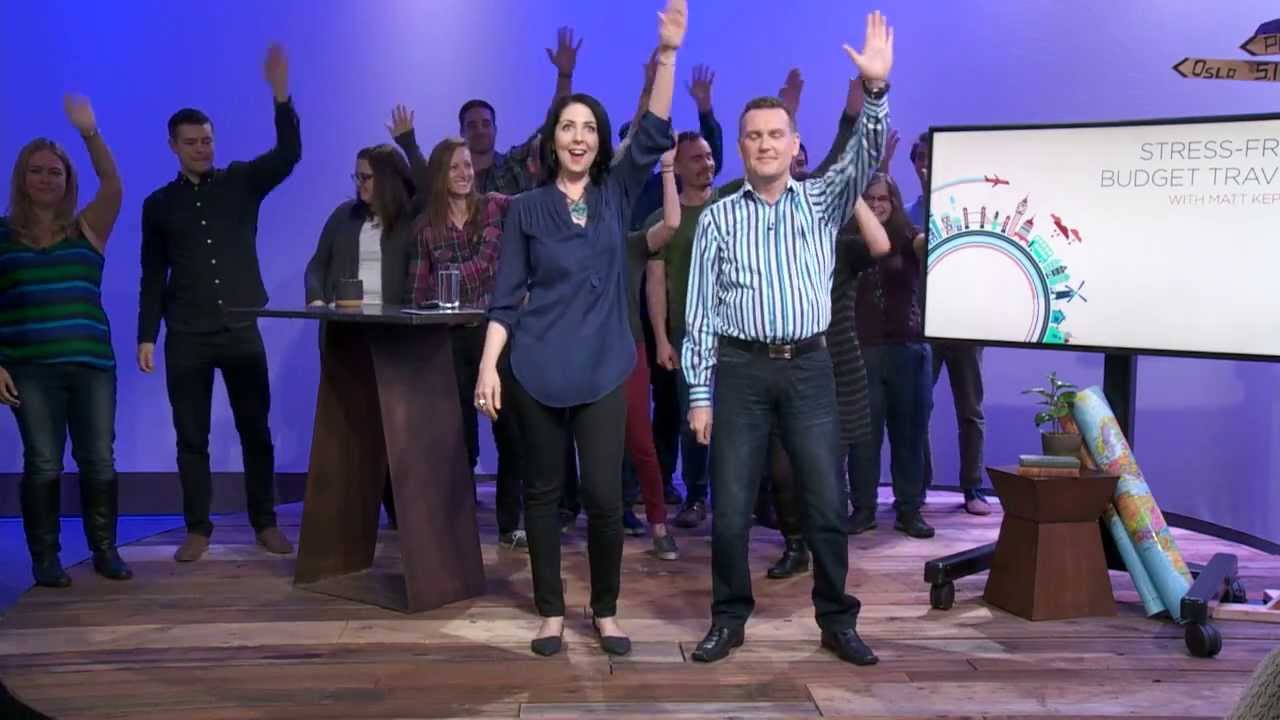
There is a problem I run into constantly in the studio: people freeze. A client walks in, the strobes go up, and every natural thing about the way they carry themselves disappears. They become a mannequin. I’ve tried everything over the years - verbal direction, reference images, playing music - and some of it works some of the time. But the deeper fix, I’ve come to believe, isn’t a trick. It’s understanding how people actually move when nobody is pointing a light at them.
That’s why a tutorial from an unexpected source caught my attention. Watch the full tutorial on YouTube - it’s a CreativeLive session that spends its opening minutes not on cameras or lighting rigs, but on the idea of using dance and movement as a tool for cultural integration when traveling. On the surface, it has nothing to do with studio photography. But the underlying principle - that movement is a universal language, that the way people move reveals how they relate to their environment and to each other - is directly applicable to anyone trying to photograph human beings with some degree of authenticity.
What I took from watching this is a framework for thinking about directed movement in the studio. The instructors discuss how dance cuts through self-consciousness, how sharing physical space with people through motion builds trust faster than conversation alone, and how different cultures encode meaning in the way bodies move. For a photographer who spends most sessions asking strangers to stand in a specific patch of light and look natural, that’s genuinely useful material.
Step 1: Recognize That Movement Is Information, Not Just Decoration
 Host explaining dance as a universal cultural language
The tutorial opens with the observation that dance is one of the few truly universal human behaviors, and that the way a community moves - the rhythm, the posture, the relationship between bodies - tells you something about that community that words often can’t. As a photographer, I now think of this as a diagnostic principle. Before I start posing a subject, I watch how they move when they walk in, how they sit without being told to, where their weight naturally falls. That information is worth more than any posing guide.
Host explaining dance as a universal cultural language
The tutorial opens with the observation that dance is one of the few truly universal human behaviors, and that the way a community moves - the rhythm, the posture, the relationship between bodies - tells you something about that community that words often can’t. As a photographer, I now think of this as a diagnostic principle. Before I start posing a subject, I watch how they move when they walk in, how they sit without being told to, where their weight naturally falls. That information is worth more than any posing guide.
Start your sessions with five minutes of deliberate observation. Don’t pick up the camera yet. Watch your subject interact with the space. The way someone naturally shifts their weight or holds their arms when they’re relaxed is the posture you’re trying to recover once the camera comes out.
Step 2: Use Shared Physical Activity to Lower the Subject’s Guard
 Instructor noting dancing helped Matt integrate into local communities
The tutorial describes a traveler - someone who was, by his own admission, a genuinely bad dancer - who used dancing as a way to connect with locals in unfamiliar places. The key point is that being imperfect at a shared physical activity is actually an asset. It signals that you’re not performing, you’re participating. In a studio context, this translates directly. If you want a subject to move naturally, move with them. Don’t stand behind the camera barking direction. Step out, show them what you mean physically, and be willing to look a little ridiculous doing it.
Instructor noting dancing helped Matt integrate into local communities
The tutorial describes a traveler - someone who was, by his own admission, a genuinely bad dancer - who used dancing as a way to connect with locals in unfamiliar places. The key point is that being imperfect at a shared physical activity is actually an asset. It signals that you’re not performing, you’re participating. In a studio context, this translates directly. If you want a subject to move naturally, move with them. Don’t stand behind the camera barking direction. Step out, show them what you mean physically, and be willing to look a little ridiculous doing it.
I started doing this a few years ago after a particularly stiff corporate shoot and the difference was immediate. When a subject sees you demonstrate a movement - even badly - they respond to the human signal rather than the technical instruction.
Step 3: Think in Embellishments, Not Poses
 Jacob describing simple moves with added embellishments
One of the instructors in the tutorial makes a remark about adding embellishments to simple dance moves, and it stuck with me as a posing philosophy. The basic pose is just a starting point. The embellishment is what makes it feel like a person rather than a cutout. In practical terms, this means once a subject is in an acceptable position, I give them one small, specific thing to do - shift their chin slightly, let one hand relax open, drop a shoulder. That single small adjustment introduces the kind of imperfection that reads as life on camera.
Jacob describing simple moves with added embellishments
One of the instructors in the tutorial makes a remark about adding embellishments to simple dance moves, and it stuck with me as a posing philosophy. The basic pose is just a starting point. The embellishment is what makes it feel like a person rather than a cutout. In practical terms, this means once a subject is in an acceptable position, I give them one small, specific thing to do - shift their chin slightly, let one hand relax open, drop a shoulder. That single small adjustment introduces the kind of imperfection that reads as life on camera.
The mistake most photographers make is stopping at the pose. The embellishment is where the portrait actually lives. Ask yourself what one tiny movement would make this frame feel inhabited instead of arranged.
Step 4: Let Cultural and Personal Context Shape Direction
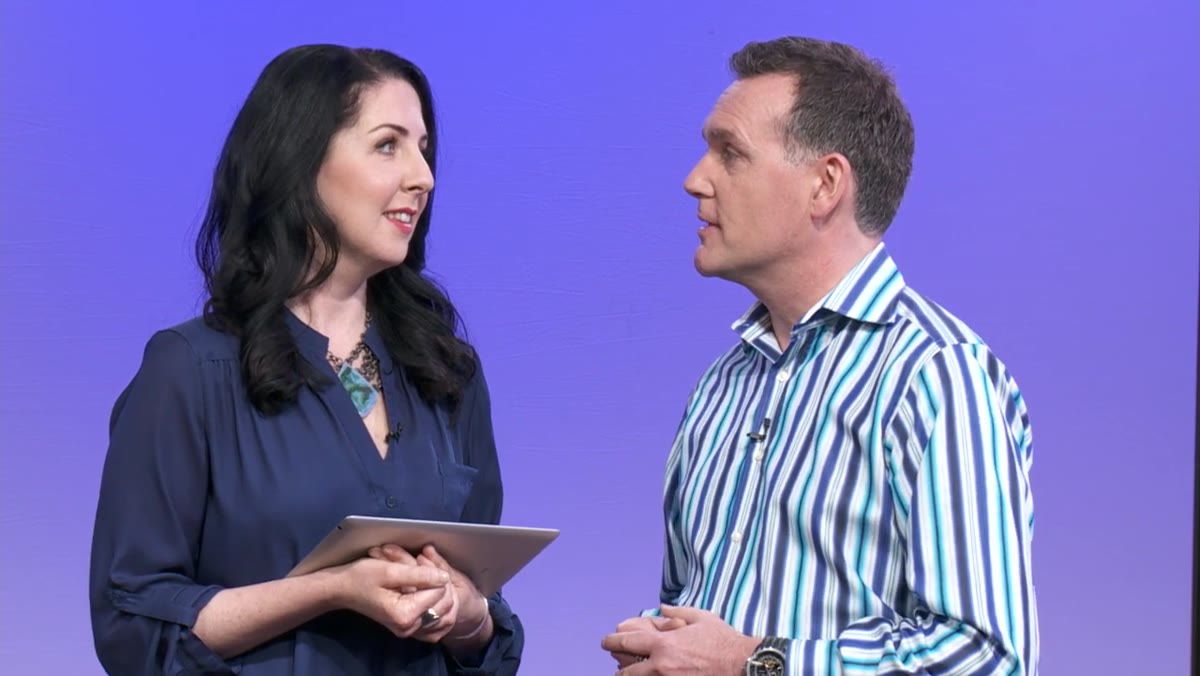 Conversation about tangoing in Argentina and cultural dance forms
The tutorial touches on specific dance traditions - tango, Asian movement styles, polka - and the point isn’t that you need to know these forms. The point is that movement means different things in different cultural contexts, and photographing people without awareness of that context produces images that feel generic. When I’m shooting someone from a background different from my own, I now ask about it directly. Not in a heavy-handed way, but simply: how do people move at celebrations in your family? What does a relaxed person look like where you grew up?
Conversation about tangoing in Argentina and cultural dance forms
The tutorial touches on specific dance traditions - tango, Asian movement styles, polka - and the point isn’t that you need to know these forms. The point is that movement means different things in different cultural contexts, and photographing people without awareness of that context produces images that feel generic. When I’m shooting someone from a background different from my own, I now ask about it directly. Not in a heavy-handed way, but simply: how do people move at celebrations in your family? What does a relaxed person look like where you grew up?
The answers change the session. I’ve had subjects show me specific hand positions from their cultural tradition that became the defining visual element of a portrait. You can’t get that from a posing app. You get it by treating the session as a cultural exchange rather than a technical exercise.
Step 5: Build Momentum With Counts and Rhythm
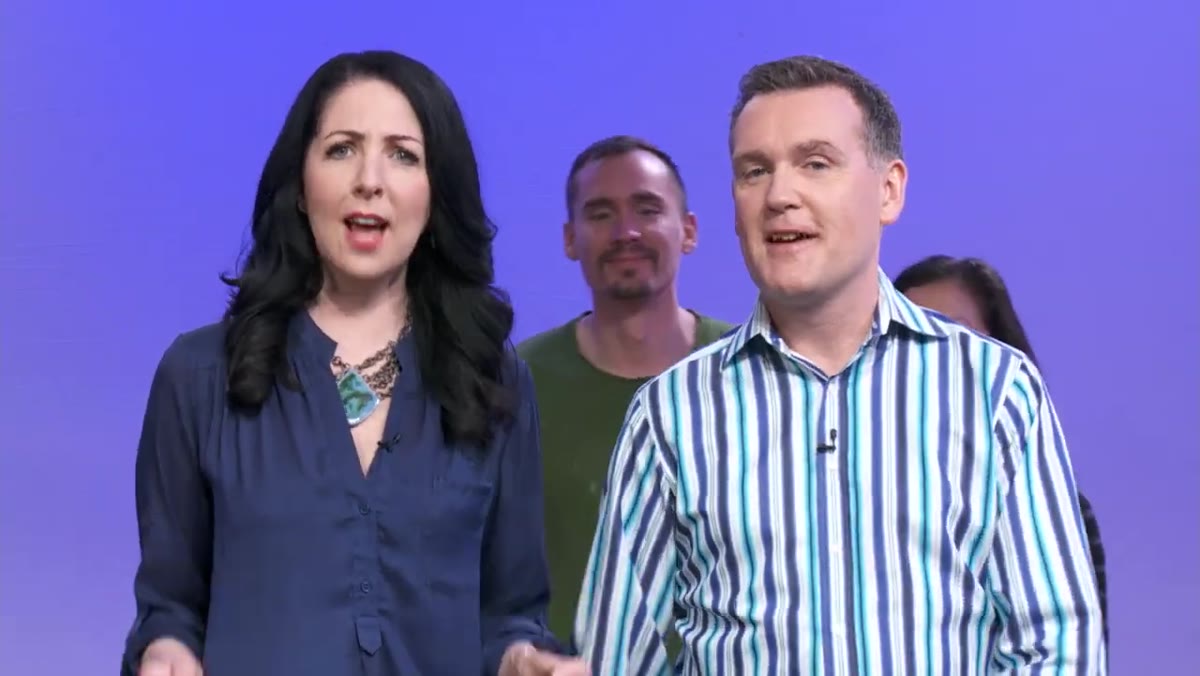 Instructor counting “five six seven eight” before starting movement
The tutorial ends its opening segment with an instructor counting off before movement - “five six seven eight” - and launching into steps. It sounds like dance class choreography, but this is one of the most useful tools I’ve used to break a subject out of a freeze. A count gives people permission to move. It externalizes the initiation so the subject doesn’t have to make a decision themselves. I’ll count out loud before asking for a turn, a step forward, a reach. It sounds small. The results are not small.
Instructor counting “five six seven eight” before starting movement
The tutorial ends its opening segment with an instructor counting off before movement - “five six seven eight” - and launching into steps. It sounds like dance class choreography, but this is one of the most useful tools I’ve used to break a subject out of a freeze. A count gives people permission to move. It externalizes the initiation so the subject doesn’t have to make a decision themselves. I’ll count out loud before asking for a turn, a step forward, a reach. It sounds small. The results are not small.
Pair the count with music that has a readable tempo. The rhythm does half the directing work for you. I keep a playlist specifically for this - nothing with lyrics that distract, just pulse.
My Own Extension: Log the Movement, Not Just the Light
I keep a lighting journal where I sketch every setup after a shoot - modifier position, power ratios, distance from subject. I’ve recently started adding a second sketch on the same page: a rough diagram of where the subject was moving during the best frames. Nine times out of ten, there’s a pattern. A subject who was swaying slightly to the left. One who consistently looked more alive mid-step than standing still. Logging movement the way I log light has made me a better director, because I can see what actually worked rather than what I thought worked.
The most honest thing I can say about this tutorial is that it reminded me movement is not a problem to be solved before photography starts. It is the subject matter.
The single most important takeaway is this: people move before they pose. If you build your session around movement first and stillness second, you’ll capture something a static direction never could. Watch the full tutorial on YouTube and pay attention to what they’re saying underneath the dancing. There’s a real directing philosophy in there.
Comments
Leave a Comment