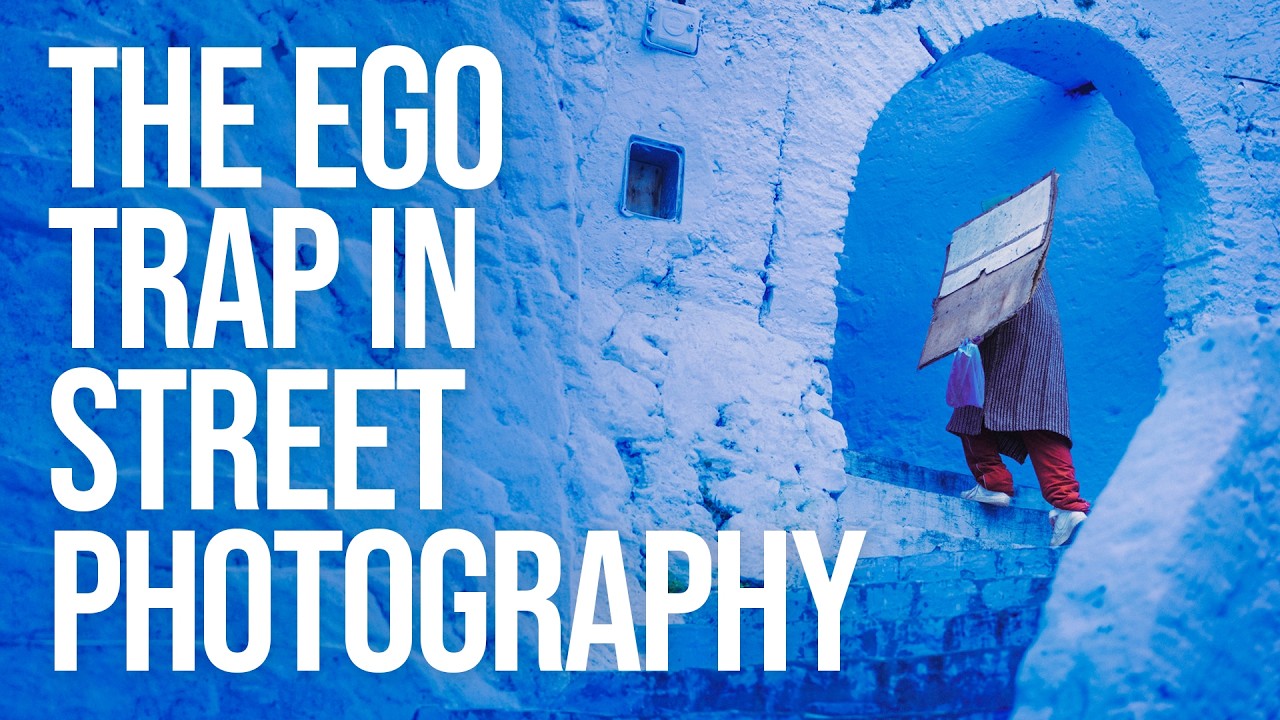
I shoot in a controlled environment for a living. Every light in my studio has a strip of masking tape on it with a name. I have a custom app on my phone for drawing lighting diagrams. When a new modifier arrives, I test it the same day it shows up at my door. I built my career on the idea that photography is something you engineer. So when a street photographer made me genuinely reconsider the way I think about images, I paid attention.
Watch the full tutorial on YouTube
In this Sean Tucker tutorial, recorded after a whirlwind trip through Morocco, Tucker walks through a moment of uncomfortable self-awareness he had while photographing in Chefchaouen, the famous “blue city” tucked into the Rif Mountains. He arrived with flat light, empty streets, and a color palette he didn’t personally like, and he found himself mildly irritated at the place for not cooperating with his aesthetic. What follows is not a gear review or a technical breakdown. It’s a precise diagnosis of a creative trap that I recognized immediately, because I fall into a version of it every time I default to my standard three-light setup before I’ve actually looked at the subject in front of me.
The tutorial is structured around a single, honest observation that Tucker unpacks with real rigor. I’m going to walk through the progression of his argument the way I’d walk through a lighting setup: one decision at a time, in order, so you can replicate the thinking without having to watch the full video first.
Step 1: Recognize When You’re Reacting to a Place Instead of Receiving It
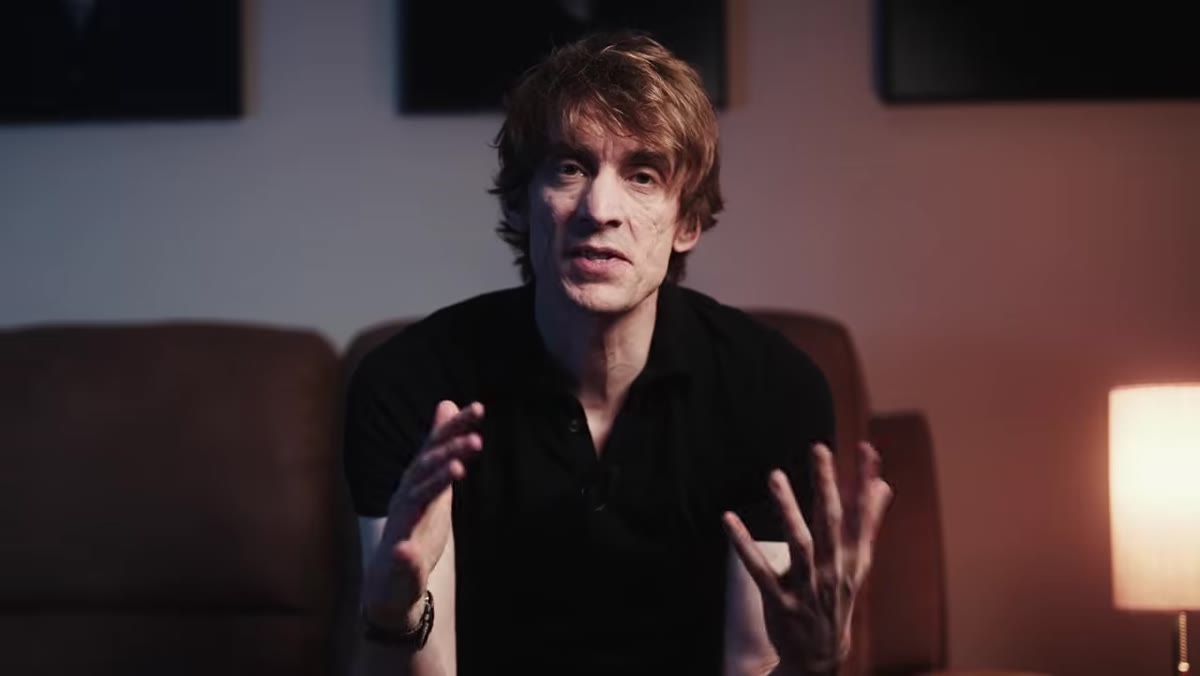 Tucker walking Chefchaouen streets, visibly overcast skies above
Tucker’s first move is simply naming what happened. He woke up early, stepped out into drizzle and gray skies, and his immediate internal response was frustration. Not curiosity. Frustration. The light wasn’t what he wanted. The streets were quiet. The dominant color was blue, which he doesn’t gravitate toward. Before he’d taken a single frame, he was already mentally trying to retrofit the location into his existing style.
Tucker walking Chefchaouen streets, visibly overcast skies above
Tucker’s first move is simply naming what happened. He woke up early, stepped out into drizzle and gray skies, and his immediate internal response was frustration. Not curiosity. Frustration. The light wasn’t what he wanted. The streets were quiet. The dominant color was blue, which he doesn’t gravitate toward. Before he’d taken a single frame, he was already mentally trying to retrofit the location into his existing style.
The exercise here is basic but uncomfortable: notice your first reaction to a new scene before you act on it. Is it genuine curiosity, or is it a checklist of whether the scene fits your usual approach? That moment of noticing is where the actual work begins.
Step 2: Identify the Narcissism Pattern in Your Own Practice
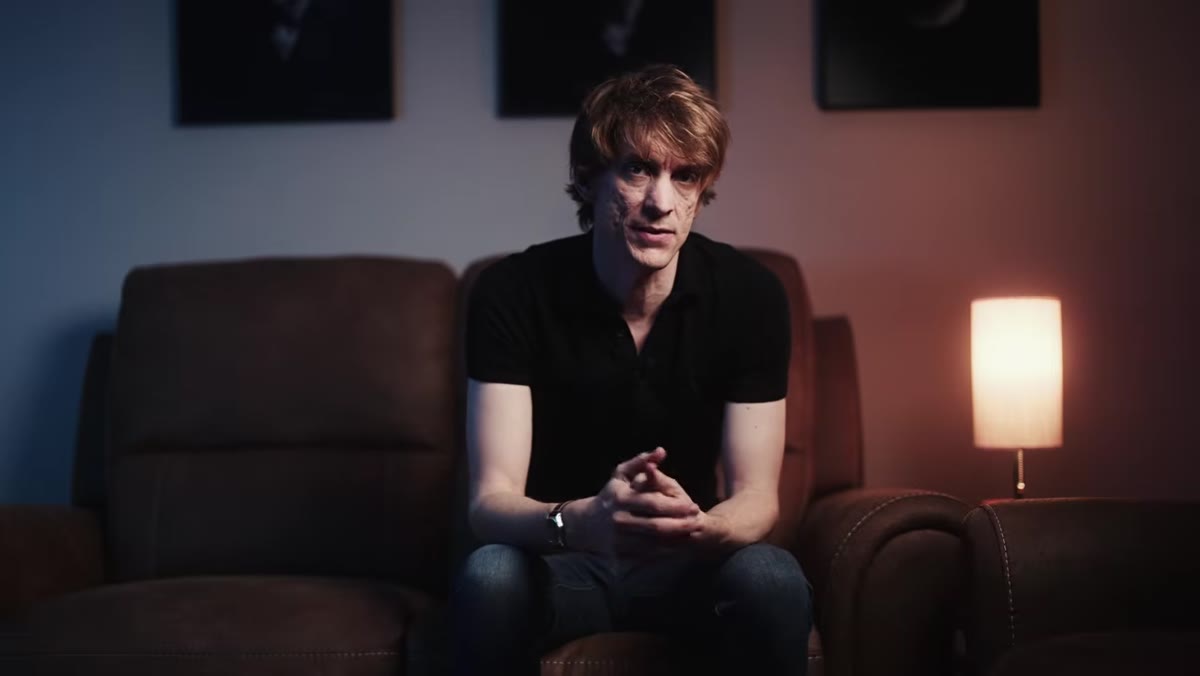 Tucker speaking directly to camera, blue alley walls behind him
Tucker uses the word “narcissism” deliberately, and he’s careful to include himself in the indictment. The pattern he describes is specific: treating a location as raw material for your personal expression rather than as a subject with its own voice. He frames it as the photographer equivalent of the person at a party who only talks about themselves and never asks anyone a question.
Tucker speaking directly to camera, blue alley walls behind him
Tucker uses the word “narcissism” deliberately, and he’s careful to include himself in the indictment. The pattern he describes is specific: treating a location as raw material for your personal expression rather than as a subject with its own voice. He frames it as the photographer equivalent of the person at a party who only talks about themselves and never asks anyone a question.
This is worth sitting with. In studio work, I see a version of this when photographers arrive with a mood board and spend the entire session trying to force the subject to match it, rather than letting what’s actually in front of them inform the light. The mood board becomes a wall between the photographer and the subject. Tucker’s point is that your aesthetic framework can do the same thing on the street.
Step 3: Understand What “Listening” Actually Looks Like in Practice
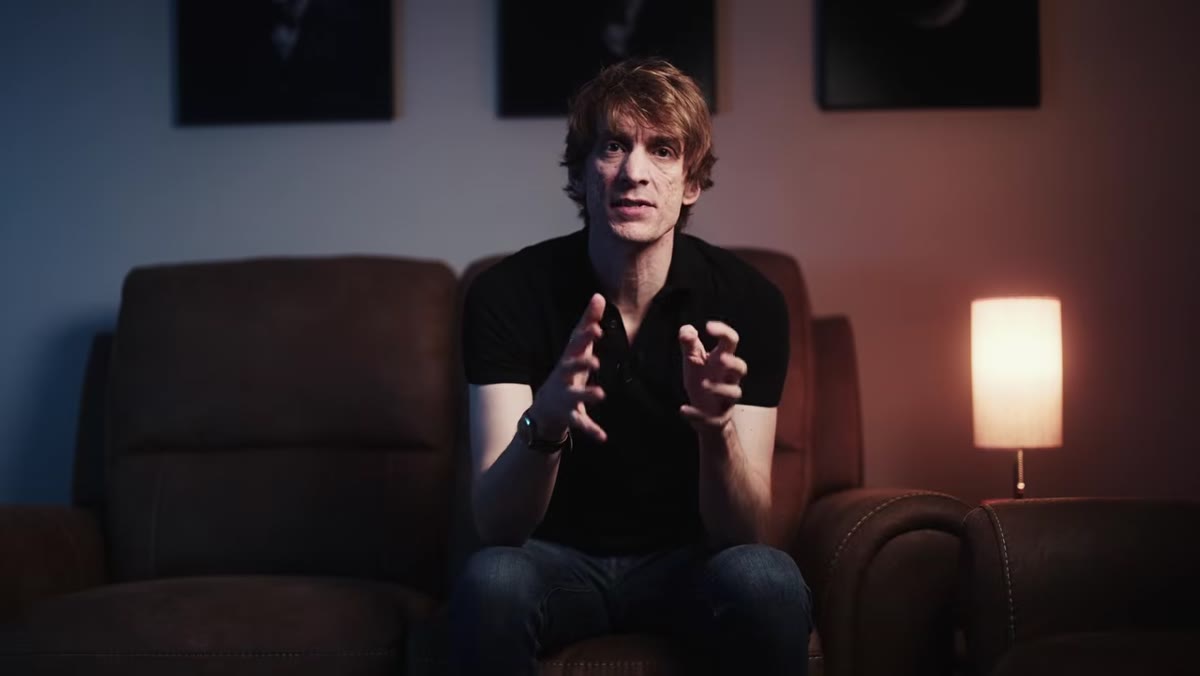
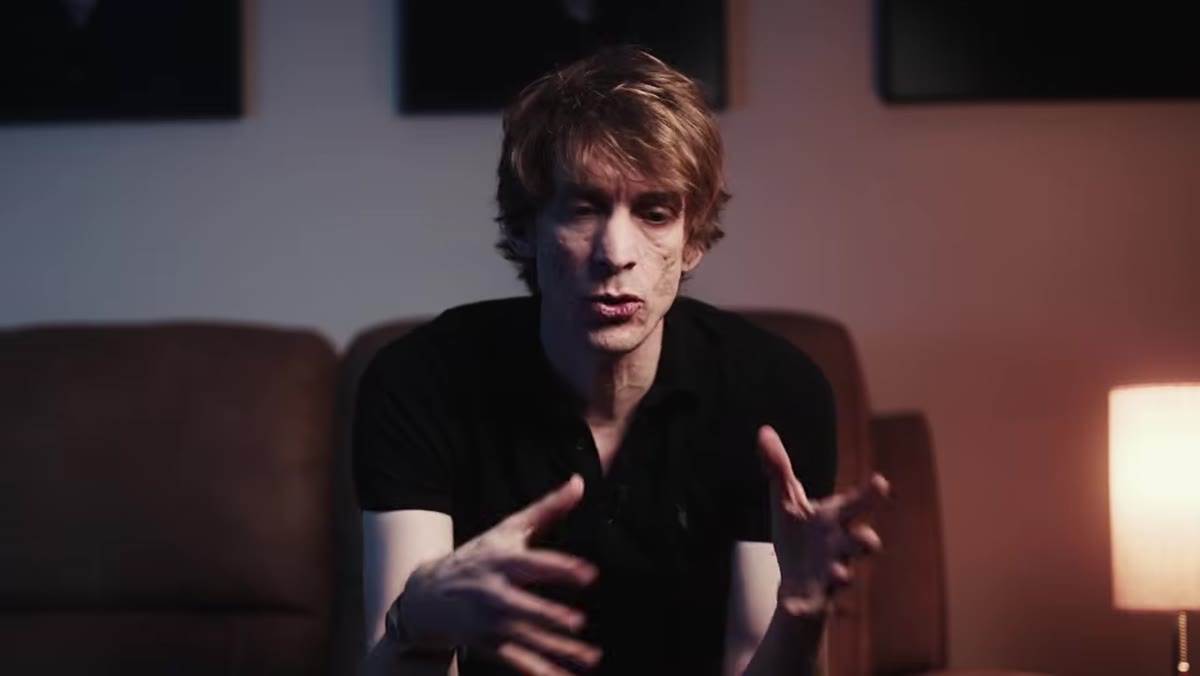 Tucker gesturing as he describes the photographer’s role in a place
Listening, in Tucker’s framework, means asking what the place is already saying before you say anything with your camera. What stories have been unfolding there without you? What does the light, the architecture, the foot traffic, the color, the texture actually communicate on its own terms?
Tucker gesturing as he describes the photographer’s role in a place
Listening, in Tucker’s framework, means asking what the place is already saying before you say anything with your camera. What stories have been unfolding there without you? What does the light, the architecture, the foot traffic, the color, the texture actually communicate on its own terms?
For a studio photographer, the translation is direct: before you fire a single strobe, look at your subject under whatever ambient light exists in the room. Watch where the shadows fall naturally. Notice what the existing light is already telling you about that person’s face. That five-minute observation step is the equivalent of Tucker’s “listen before you shoot” principle, and I’ll admit it took me longer than it should have to build that habit.
Step 4: Separate “Finding Your Voice” From “Imposing Your Voice”
 Tucker walking and talking, narrow blue alleyway visible
Tucker’s critique lands precisely because it targets advice that sounds correct on the surface. We’re constantly told to find our voice, develop a style, be consistent. That’s not wrong. But there’s a version of style-development that calcifies into a filter you press over every subject, location, and scene regardless of whether it fits.
Tucker walking and talking, narrow blue alleyway visible
Tucker’s critique lands precisely because it targets advice that sounds correct on the surface. We’re constantly told to find our voice, develop a style, be consistent. That’s not wrong. But there’s a version of style-development that calcifies into a filter you press over every subject, location, and scene regardless of whether it fits.
The distinction Tucker draws is between a voice that emerges from genuine engagement with a subject and a voice that gets stamped over the top of it. The first is authentic. The second is performance. And the difference shows in the final image, even if you can’t always articulate why one frame feels alive and another feels manufactured.
Step 5: Let the Constraint Change Your Approach, Not Your Standards
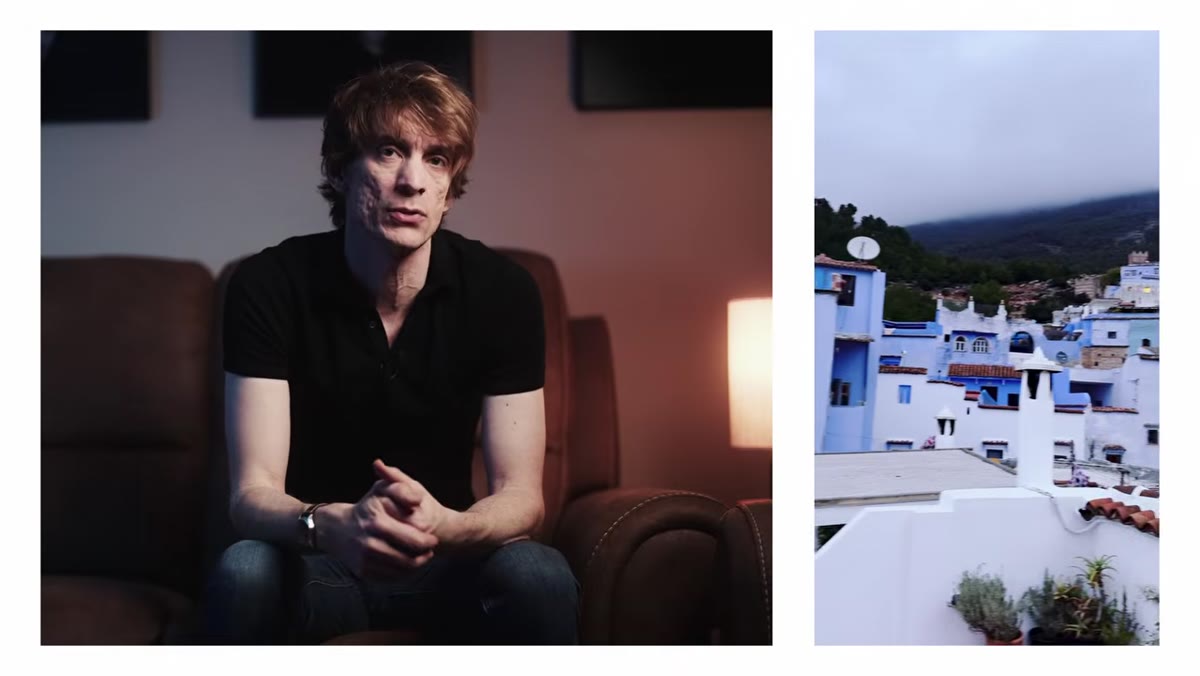 Tucker in flat morning light on near-empty Chefchaouen street
Tucker didn’t abandon craft when faced with difficult conditions. Flat light and an empty street are constraints, not excuses. His point is that the response to those constraints should be curiosity about what they make possible, not frustration that they prevent your default approach.
Tucker in flat morning light on near-empty Chefchaouen street
Tucker didn’t abandon craft when faced with difficult conditions. Flat light and an empty street are constraints, not excuses. His point is that the response to those constraints should be curiosity about what they make possible, not frustration that they prevent your default approach.
Flat light kills shadows, which means graphic shapes and color relationships move to the foreground. An empty street removes the chaos of crowds, which means you have to find geometry and stillness. These aren’t lesser versions of your usual subject matter. They’re different subjects entirely, and they require you to actually look.
What This Means If You Work in a Controlled Environment
I’ve been sketching lighting setups in a journal for years. Every shoot gets a diagram: key light position, fill ratio, background separation, modifier choice. That habit has saved me on deadline more times than I can count. But Tucker’s tutorial identified something the journal can’t fix.
When I arrive on set with a strong concept, I sometimes start placing lights before I’ve spent real time with the subject. The journal records what I built. It doesn’t record whether I listened first. The discipline Tucker is describing, that deliberate pause before you impose your vision, is the same whether you’re in a Moroccan alleyway or a Los Angeles studio. The subject in front of you, a person, a location, a piece of architecture, is already communicating something. Your job is to hear it before you decide what to say.
The single most transferable idea in this tutorial is simple: your photographic voice is most powerful when it’s in response to something real, not in spite of it. Before you impose your style on a scene, spend genuine time receiving it. The images that come from that place of actual attention are the ones that hold up.
Watch the full tutorial on YouTube and see Tucker work through this in his own words. It’s worth the 20 minutes even if you never shoot on a street.
Comments (8)
My workflow just got 10x faster. Not even kidding.
Just subscribed. If the rest of your content is this good, I'm in.
Simple but effective. Sometimes that's all you need.
This saved me so much time on my last edit. Wish I'd found this sooner.
Great article! I actually covered something related on my site — the workflows angle is really complementary to this.
This is exactly what I needed today. Been struggling with this for weeks.
Bookmarked. Coming back to this one for sure.
I've watched a dozen tutorials on this and yours is the clearest by far.
Leave a Comment