The Consolidation Wave Hits Creative Industries
I’ve been watching a troubling pattern emerge across creative production sectors, and it’s worth our attention as photographers and visual artists. Word has circulated that several established creative studios face closure, marking another chapter in the ongoing consolidation of the entertainment industry. This kind of upheaval affects not just game developers—it reverberates through all creative fields, including photography and visual content production.
Why This Matters to Our Community
When creative studios fold, we lose more than just companies. We lose collaborative environments where artists refine their craft, share techniques, and push boundaries. I’ve always believed that the best work emerges from studios where creative professionals—whether they’re working with cameras or code—can exchange ideas freely.
The consolidation trend mirrors something I’ve observed in photography education and studio spaces. Mid-sized independent studios are disappearing. Photographers increasingly work solo or in stripped-down collectives, often compromising on workspace quality and collaborative opportunity.
The Infrastructure Problem
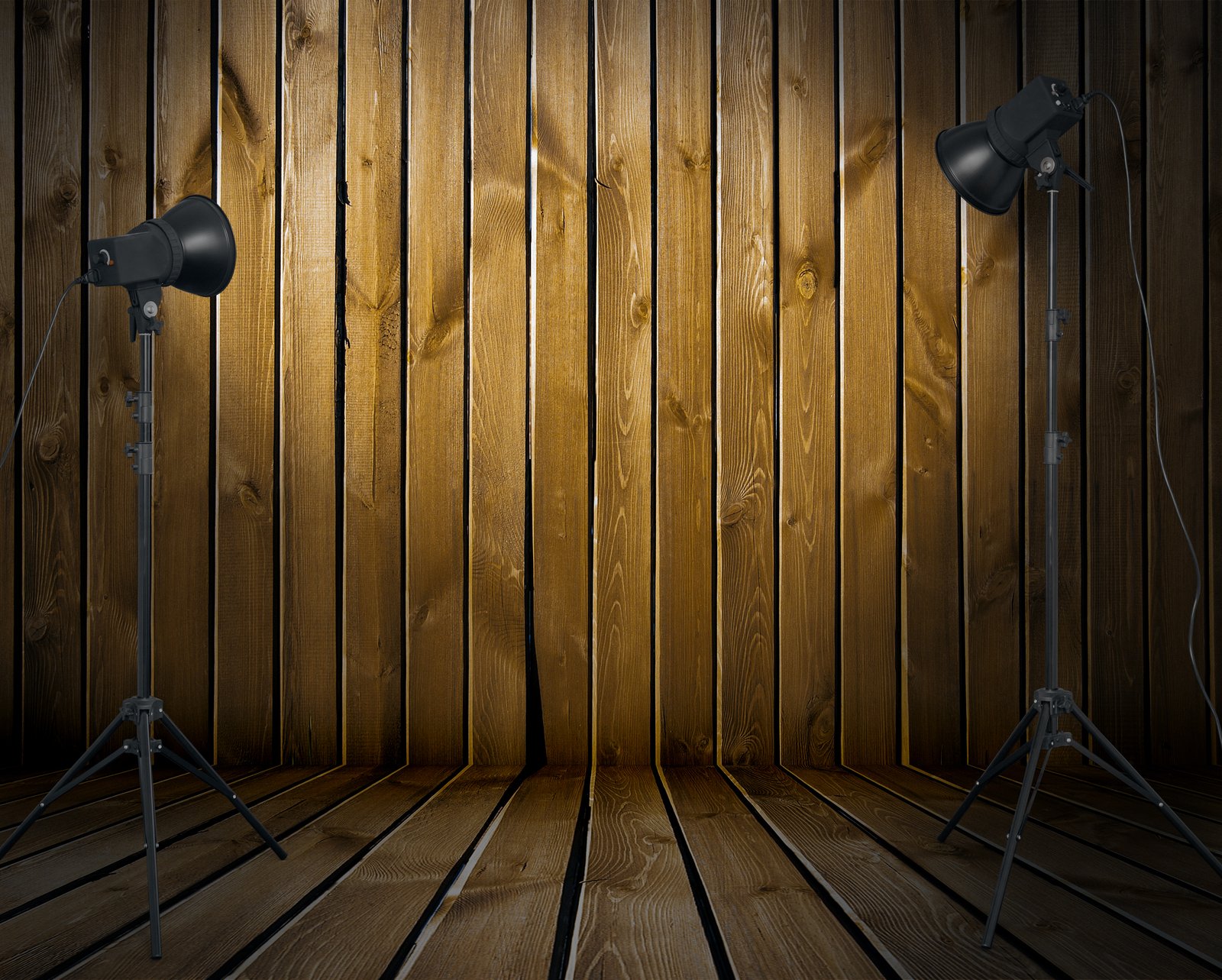
Think of a photography studio the way I think about a lighting setup. Each element serves a purpose. Remove one component, and the entire system loses effectiveness. When creative studios close, they take institutional knowledge with them—mentorship networks, equipment resources, and that intangible thing I call “studio culture.”
I’ve always maintained strong opinions about gear investment. A good studio requires proper infrastructure: quality lighting systems, positioning equipment, post-production facilities. Solo operators struggle to justify these expenditures. Consolidated mega-studios can afford premium everything, but they lose the scrappy innovation that happens in mid-sized operations.
What We Can Control
Here’s my methodical take on navigating this landscape: we need to intentionally build collaborative networks among independent practitioners. Create your own studio culture, even if you’re working freelance.
Invest in your lighting knowledge like it’s equipment—because it is. Master your craft fundamentals so thoroughly that industry shifts don’t devastate your career. I approach lighting like recipes: understand the base techniques perfectly, then innovate from there.
Moving Forward
The broader consolidation trend concerns me professionally. We benefit from diverse creative spaces and multiple approaches to visual storytelling. Whether you’re a studio photographer, a lighting specialist, or a posing coach, the current environment demands we strengthen our networks and deepen our expertise.
These industry shifts remind me why I emphasize continuous learning and community building in my work. The creative professionals who thrive aren’t necessarily those with the fanciest studios—they’re the ones who understand their craft fundamentally and maintain genuine connections with other creators.
Comments (8)
Finally someone explains this in a way that actually makes sense.
This is exactly what I needed today. Been struggling with this for weeks.
Applied this to my portfolio shots and the improvement is noticeable.
Great article! I actually covered something related on my site — the retouching angle is really complementary to this.
This should be required reading for anyone starting out.
Great breakdown. The step-by-step approach really helps.
This should be required reading for anyone starting out.
This is the kind of content that keeps me coming back.
Leave a Comment