The European Pushback We’re Watching
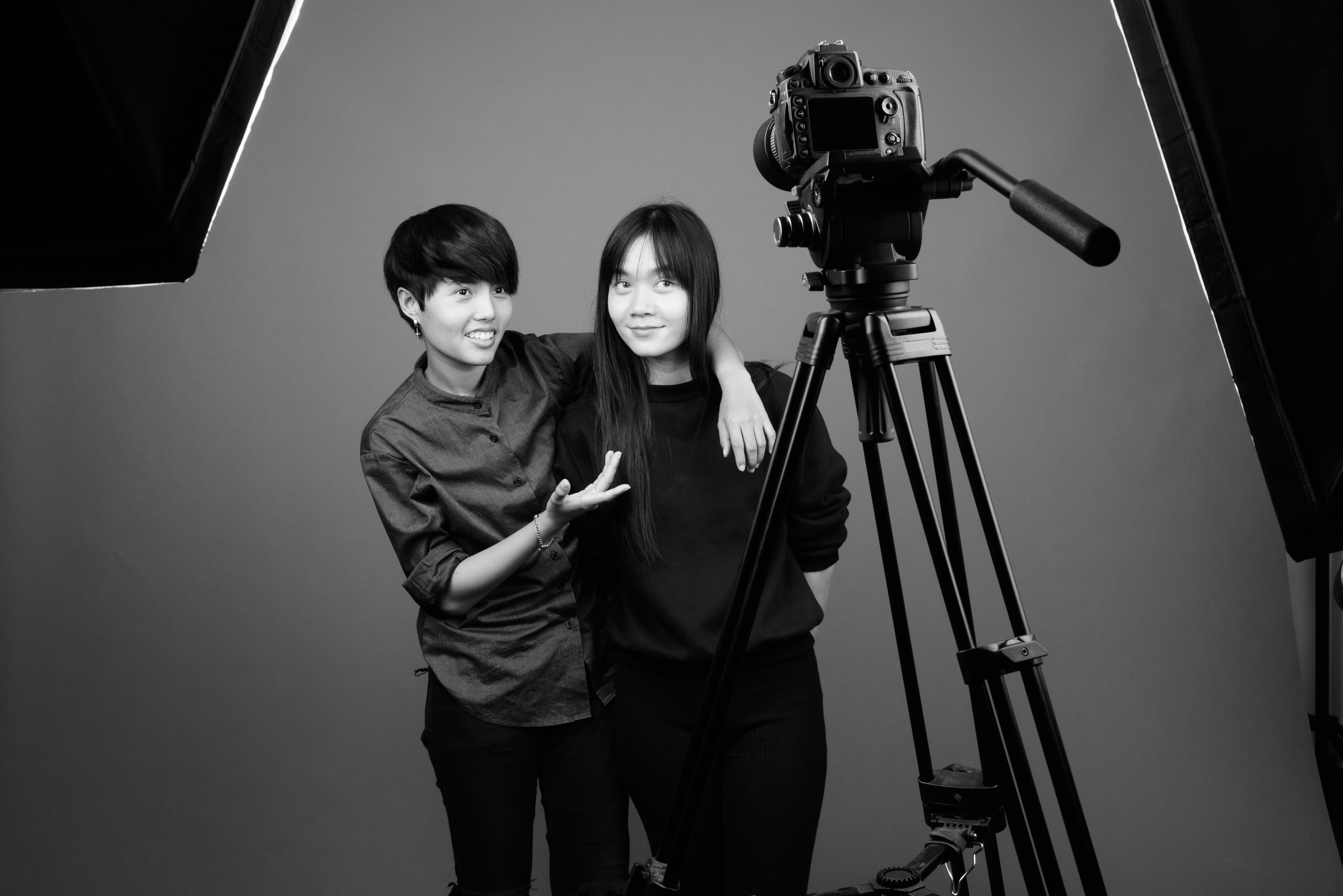
While countries across Europe are tightening restrictions on child social media access, I’ve been following Estonia’s surprisingly contrarian position with great interest. Their education minister recently pushed back against these bans, arguing they won’t solve underlying issues and that young people will simply find workarounds anyway. As someone who works regularly with young subjects in studio settings, I find this debate directly relevant to how we approach portrait photography with children.
What This Means for Our Work
Here’s my take: the Estonian perspective reflects a reality we photographers already understand. You can’t pose a subject authentically if they’re anxious or resentful about restrictions placed on them. The psychology of compliance—or resistance to it—shows up immediately in portrait work. I’ve watched young clients become visibly tense when they feel trapped by arbitrary rules versus engaged when they feel trusted.
The real issue isn’t the platforms themselves but how we integrate digital literacy into our sessions. When I photograph young people today, I’m acutely aware they live in a dual world: the physical studio environment I’m controlling and the digital ecosystem where their image will ultimately exist.
Rethinking Our Studio Approach
This is why I’ve adjusted my methodology. Rather than ignoring the social media context, I now address it directly with young subjects and their parents. I explain how I’m positioning them—not just for technical lighting reasons, but considering how images translate across different platforms and screen sizes.
The posing principles remain constant: proper spinal alignment, natural hand placement, authentic expression. But I’ve become more intentional about discussing why we’re making these choices. When a teenager understands that we’re crafting an image they’ll actually want to share, they relax. They stop performing for restrictions and start performing authentically.
The Bigger Picture
Estonia’s argument—that bans won’t work if we’re not addressing the underlying appeal—mirrors what I believe about portrait photography itself. You can’t legislate better images through rules. You create them through understanding your subject, building trust, and giving them agency in the process.
Whether regulators choose restriction or education, our job as photographers remains the same: capture genuine human moments. But we’ll do it better if we acknowledge the world our young subjects actually inhabit, rather than pretending they live in one we’ve imagined for them.
Comments
Leave a Comment