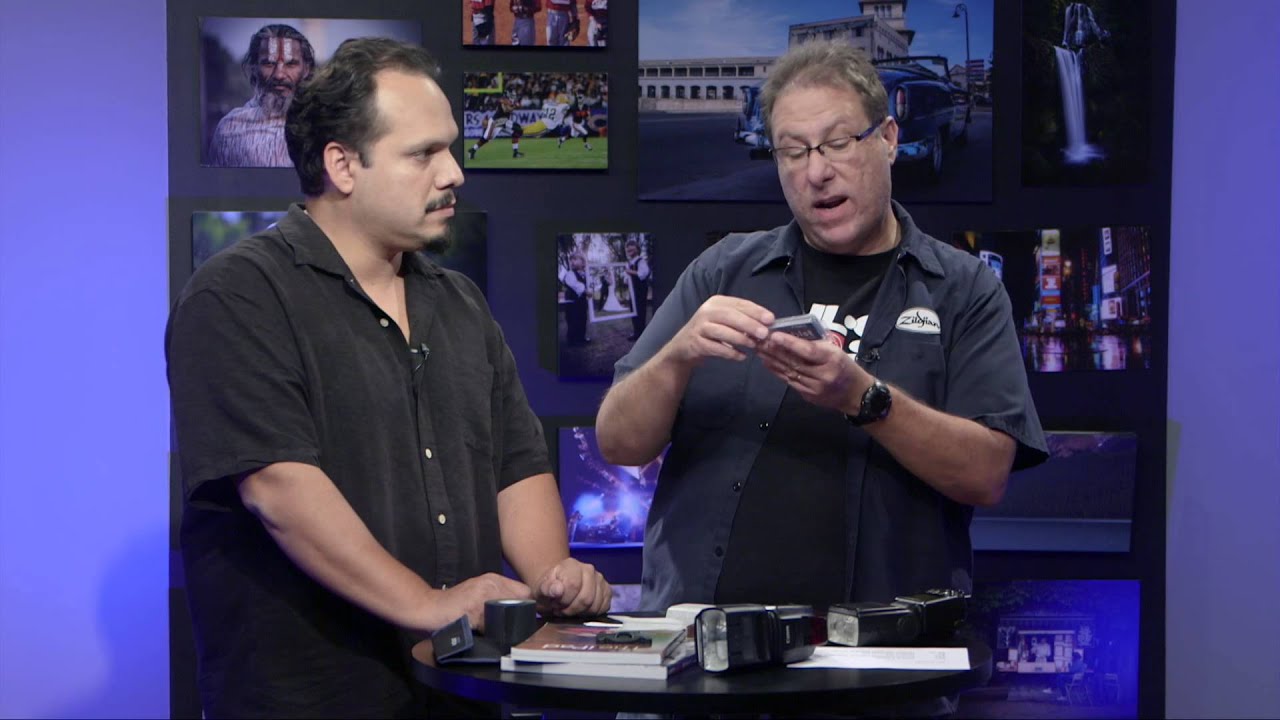
Gels on Hot Shoe Flash: The Simplest Thing You Can Do to Stop Making Your Subjects Look Like Ghosts

Gels on Hot Shoe Flash: The Simplest Thing You Can Do to Stop Making Your Subjects Look Like Ghosts

There is a mistake I made early in my career that I still think about. A beauty editorial, late afternoon, outdoor courtyard in downtown Los Angeles. I had a speedlight on a stand, well-exposed, perfectly synced. The images came back looking like my subject had been photographed at two separate events: warm golden hour wrapping her shoulders, and a cold, clinical white blast of flash lighting her face. The client was polite about it.
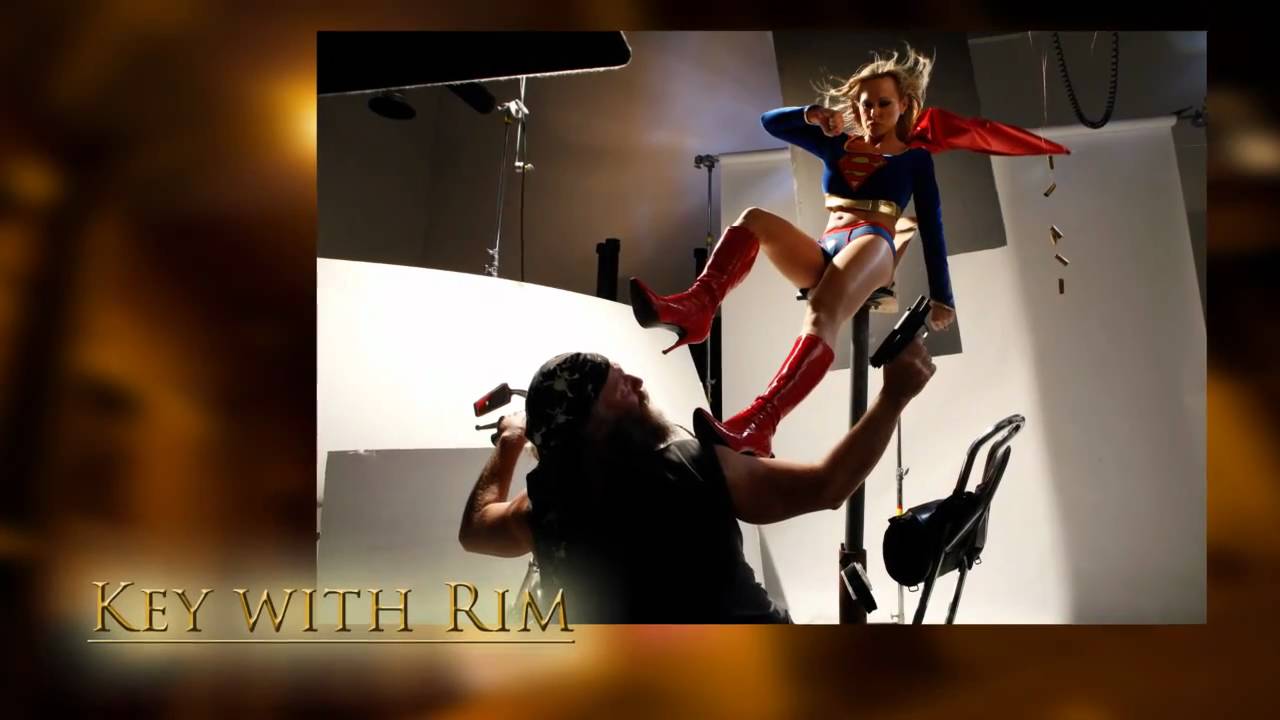

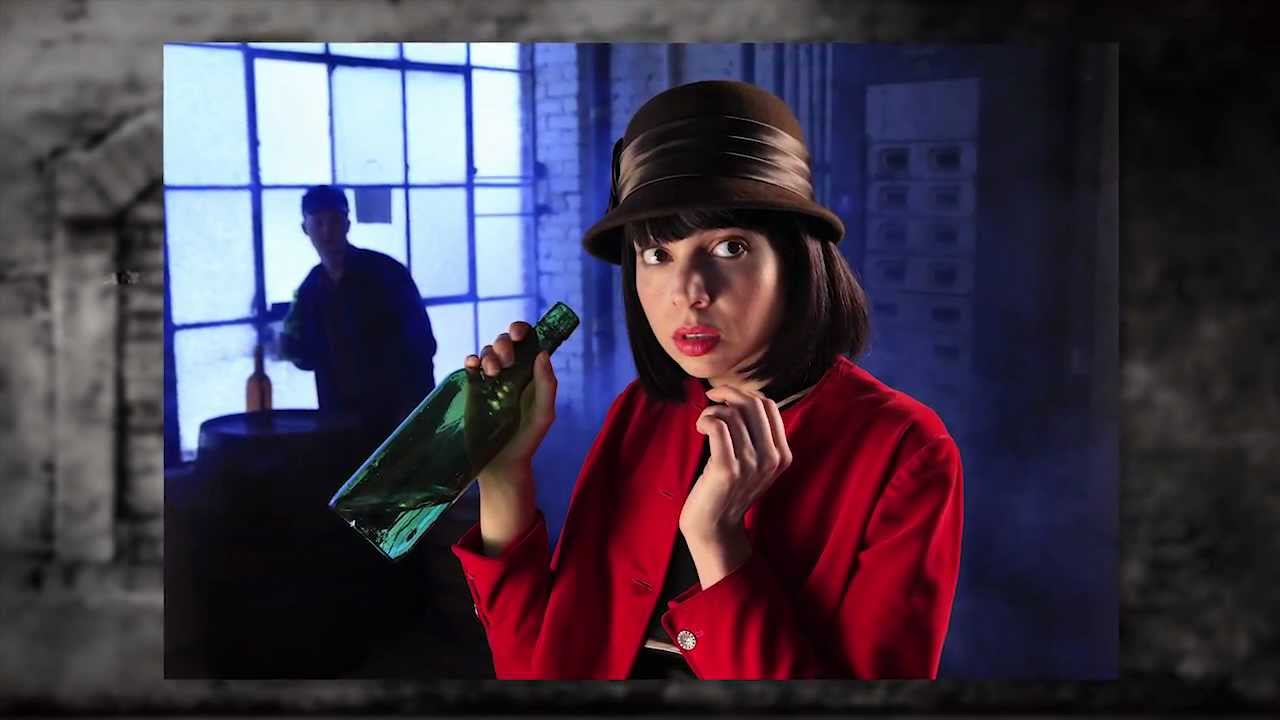
How to Build a 3-Light Hard Light Setup That Feels Like a Comic Book Panel

How to Build a 3-Light Hard Light Setup That Feels Like a Comic Book Panel

There’s a particular kind of image that stops you cold when you scroll past it. High contrast, a little gritty, lit like a frame from a graphic novel. It’s not accident. That look comes from deliberate choices about light quality, color temperature, and the willingness to let shadows be shadows. I’ve been chasing that aesthetic for years in my commercial work, and most of the time I was overcomplicating it. Too many modifiers.

How Creative Gels Changed the Way I Think About Studio Color

How Creative Gels Changed the Way I Think About Studio Color

I used to treat gels as a corrective tool only. CTB to cool a tungsten source, CTO to warm a strobe, half-green to match a fluorescent ceiling. Correction work. Necessary, unglamorous, done. Then I booked a beauty editorial for a skincare brand that wanted something they described as “otherworldly but warm,” and I realized my gel drawer had been sitting mostly untouched for reasons that had nothing to do with the gels themselves.

How Creative Gels Can Completely Change What Your Studio Lights Are Actually Doing

How Creative Gels Can Completely Change What Your Studio Lights Are Actually Doing

The Moment I Stopped Treating Gels as Decoration A few years ago I was shooting a beauty campaign for a skincare brand, and the creative director handed me a reference image with this deep, saturated teal in the background that somehow still made the model’s skin look warm and clean. My instinct was to slap a CTB gel on a background light and call it a day. What I got instead was a muddy, greenish background and a subject who looked like she had the flu.

Stop Shooting Naked Strobes: How Creative Gels Actually Work (And Why Most Photographers Use Them Wrong)

Stop Shooting Naked Strobes: How Creative Gels Actually Work (And Why Most Photographers Use Them Wrong)

I keep a lighting journal. Every setup from every shoot gets a rough sketch with annotated distances, power settings, and modifier choices. I started it years ago after a disastrous editorial job where my background light was running 400K warmer than my key, and I didn’t catch it until the files hit my screen at 11pm. The client noticed before I could fix it in post. That journal now has over two hundred entries, and I’d say at least sixty of them involve gels in some form.

Stop Shooting in Neutral: How Creative Gels Can Rebuild Your Studio Lighting From the Ground Up

Stop Shooting in Neutral: How Creative Gels Can Rebuild Your Studio Lighting From the Ground Up

I keep a lighting journal. Every setup from every shoot gets sketched into it, date and all, including the ones I want to forget. There’s an entry from a beauty shoot in 2019 where I tried to use a cyan gel on my background light without accounting for how it would interact with the warm skintones I was building from the key. The images looked like a bad Instagram filter from 2012.

Beyond Warm and Cool: How Creative Gels Can Completely Rewire Your Studio Lighting

Beyond Warm and Cool: How Creative Gels Can Completely Rewire Your Studio Lighting

I keep a lighting journal. Every shoot gets a sketch: modifier positions, power ratios, distances, and yes, gel colors. I started doing it after a bad experience early in my career where I mixed a 1/2 CTO on my key with an ungelled background light and wondered for three days why my subject’s skin looked like uncooked salmon in every frame. The culprit was obvious in retrospect. At the time, I had no system.

Beyond Daylight: How I Use Creative Gels to Build Color Into a Shot From the Start

Beyond Daylight: How I Use Creative Gels to Build Color Into a Shot From the Start

I ruined my first major editorial shoot with color temperature. Not gels, not bad ratios, just the fact that I had two light sources on a model’s face that were about 800 Kelvin apart and I had no idea. One was a tungsten practical in the background, one was a strobe key. The images came back with this muddy, indeterminate skin tone that no amount of color grading could salvage. The art director never said anything, but I didn’t get another call from that publication for two years.

How to Make Sunlight Look Like Moonlight: A Step-by-Step Lighting Breakdown

How to Make Sunlight Look Like Moonlight: A Step-by-Step Lighting Breakdown

There’s a specific kind of panic that hits when you’re on a set and the light outside is doing something beautiful but completely wrong for your shot. I’ve been there more than once, staring at warm afternoon window light pouring across a scene that was supposed to feel cold and cinematic. For years, I treated that as a problem to fix in post. Then I started understanding white balance not as a correction tool, but as a creative weapon.

Beyond CTB and CTO: How I Actually Use Creative Gels to Build a Shot

Beyond CTB and CTO: How I Actually Use Creative Gels to Build a Shot

The Gel Drawer Most Photographers Never Open Every lighting kit I’ve seen in a rental house has the same thing: a neat stack of CTO and CTB corrections at the front of the gel drawer, and then a mess of colors shoved behind them that nobody touches. Full CTO for tungsten matching. Half CTB for a cooler key. That’s where most photographers stop, and I understand why. Correction gels have a clear purpose.

Creative Gels for Studio Photography: The Ingredient That Changes Everything

Creative Gels for Studio Photography: The Ingredient That Changes Everything

I’ve spent twenty years mixing light the way a chef mixes ingredients, and I can tell you this: most photographers treat gels like an afterthought. They’re not. Gels are the difference between competent work and compelling work. Think of gels as your most controllable variable. You can’t change the sun, but you can shape every photon in your studio. That precision is why I use gels on nearly every shoot.

Color Gels: Adding Creative Color to Your Portraits

Color Gels: Adding Creative Color to Your Portraits

Color gels transform white flash into colored light, opening a world of creative possibilities that neutral lighting can’t touch. From subtle color accents to full neon-drenched portraits, gels give you control over the color of light itself — not just what you can adjust in post-processing. Gels Basics Gels are thin sheets of colored transparent material (traditionally theatrical lighting gel) placed in front of a light source. They filter out certain wavelengths, transmitting only the desired color.