How Ann Landstrom Turned Her San Diego Home Into a Working Portrait Studio (And What You Can Steal From Her Setup)

How Ann Landstrom Turned Her San Diego Home Into a Working Portrait Studio (And What You Can Steal From Her Setup)

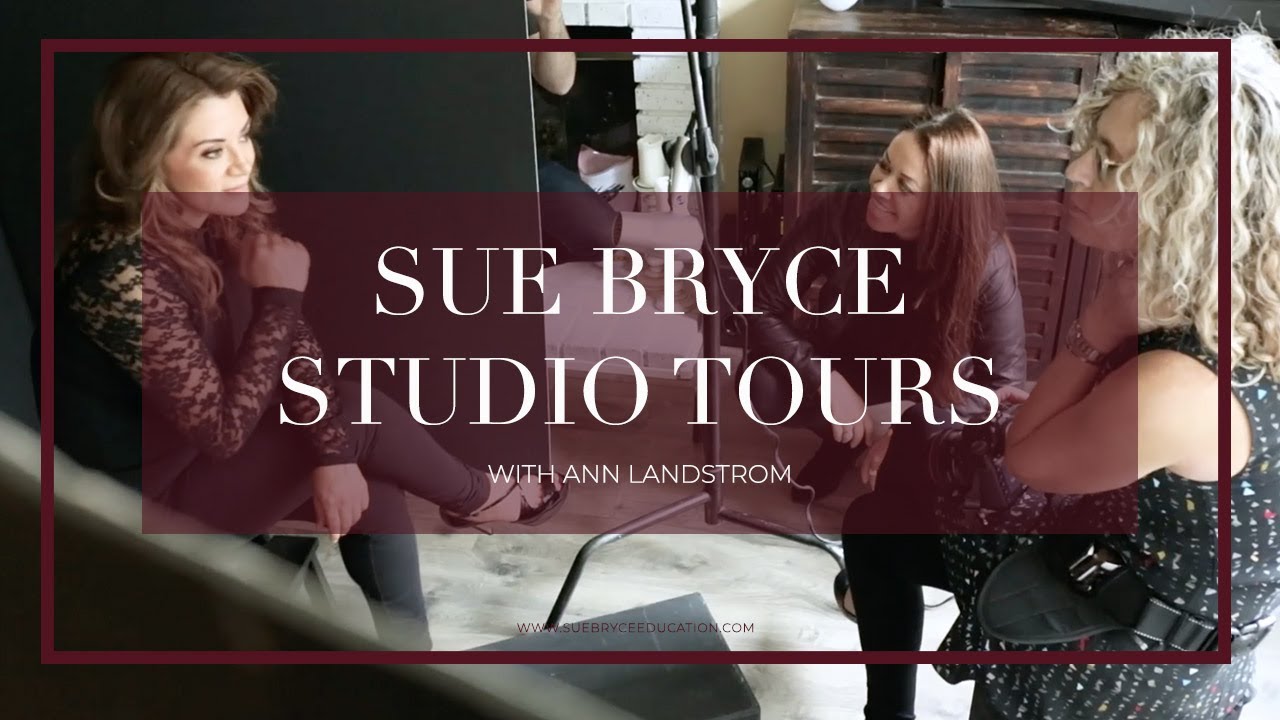
Most photographers I know are waiting. Waiting for the right lease, the right neighborhood, the right square footage. I spent two years telling myself I couldn’t shoot proper editorial work without a dedicated commercial space. Then I started paying closer attention to what some of the more entrepreneurial portrait photographers were actually doing with the space they already had, and the excuse started to fall apart. In this The Portrait System tutorial, Sue Bryce visits San Diego-based portrait photographer Ann Landstrom, who built a legitimate, profitable studio inside her home.

Maximizing Light and Space: How One Artist Built a Full Studio in a Living Room

Maximizing Light and Space: How One Artist Built a Full Studio in a Living Room

Making Every Square Foot Count I’ve spent years watching photographers struggle with space constraints, and I’ve learned that the real masters aren’t those with sprawling studios—they’re the ones who understand how to weaponize what they have. Shinn Uchida, a Japanese visual artist, recently demonstrated this principle beautifully by transforming her living room into a fully functional creative space capable of handling large-scale work. What strikes me most about her approach isn’t nostalgia or scrappiness.

Building a Home Studio on a Budget

Building a Home Studio on a Budget

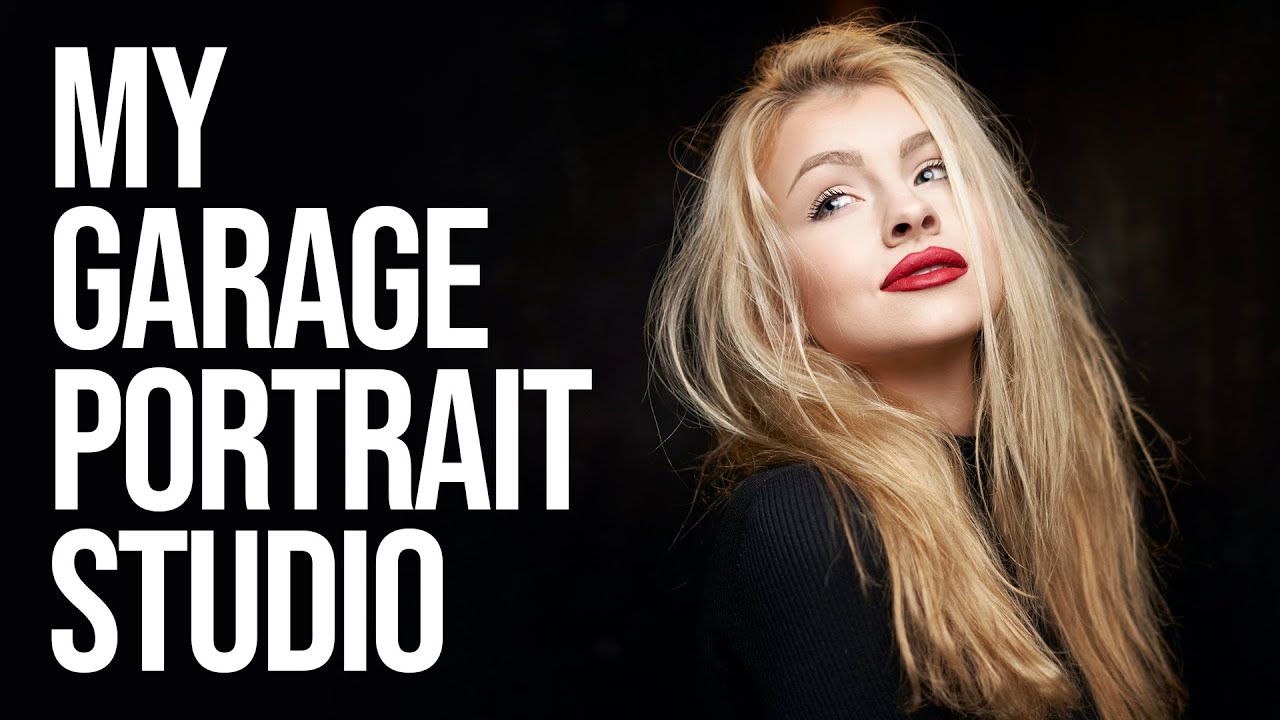
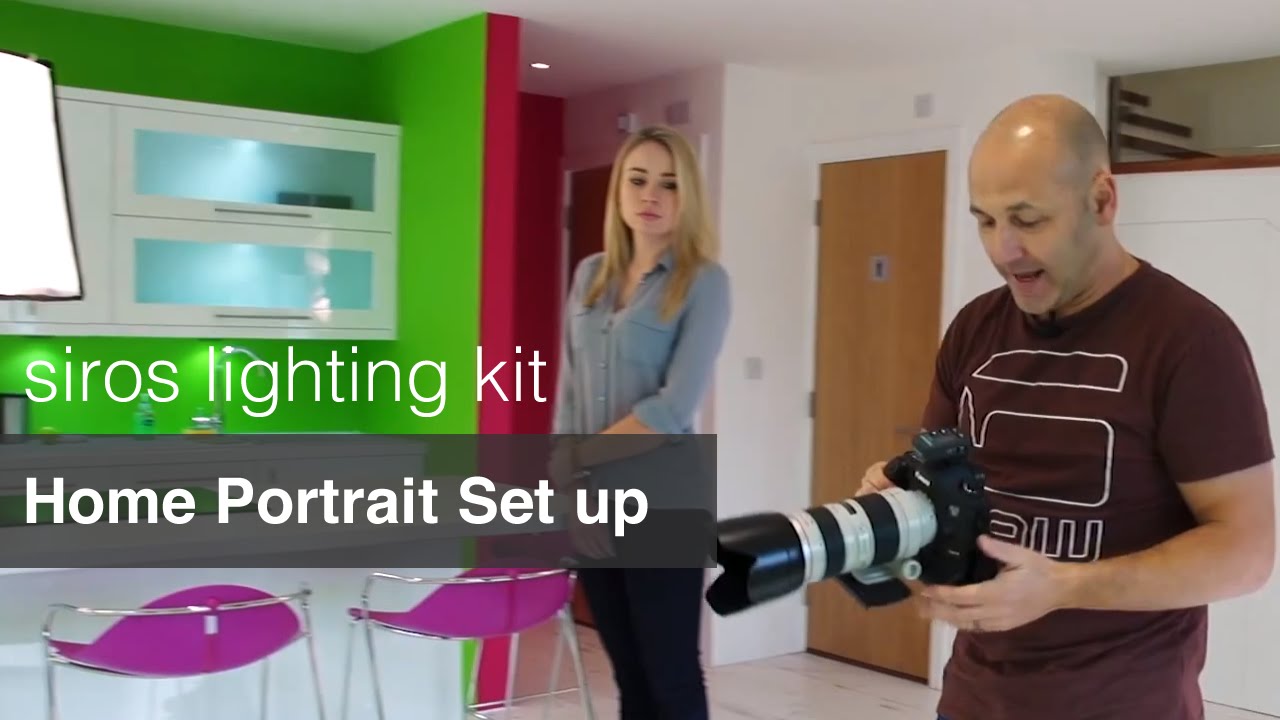
You do not need a commercial lease to produce professional portrait work. A spare room, a section of a garage, or even a cleared-out living room can function as a working studio. The key is understanding what actually matters and where you can save money without sacrificing quality. Space Requirements The minimum usable space for headshots and upper-body portraits is roughly 8 feet wide by 10 feet deep with an 8-foot ceiling.