The Architecture of Posing: Building Frames That Work With Light, Not Against It

The Architecture of Posing: Building Frames That Work With Light, Not Against It

The Architecture of Posing: Building Frames That Work With Light, Not Against It I’ve watched photographers spend thousands on premium lighting equipment, only to waste it with lazy posing. A $300 umbrella can’t save a subject photographed straight-on with slouched shoulders. Conversely, I’ve seen exceptional images created with modest gear because the pose itself was architecturally sound. The relationship between posing and lighting isn’t coincidental—it’s mechanical. Get this right, and everything else becomes easier.
How to Light Groups: From Two People to Twenty

How to Light Groups: From Two People to Twenty

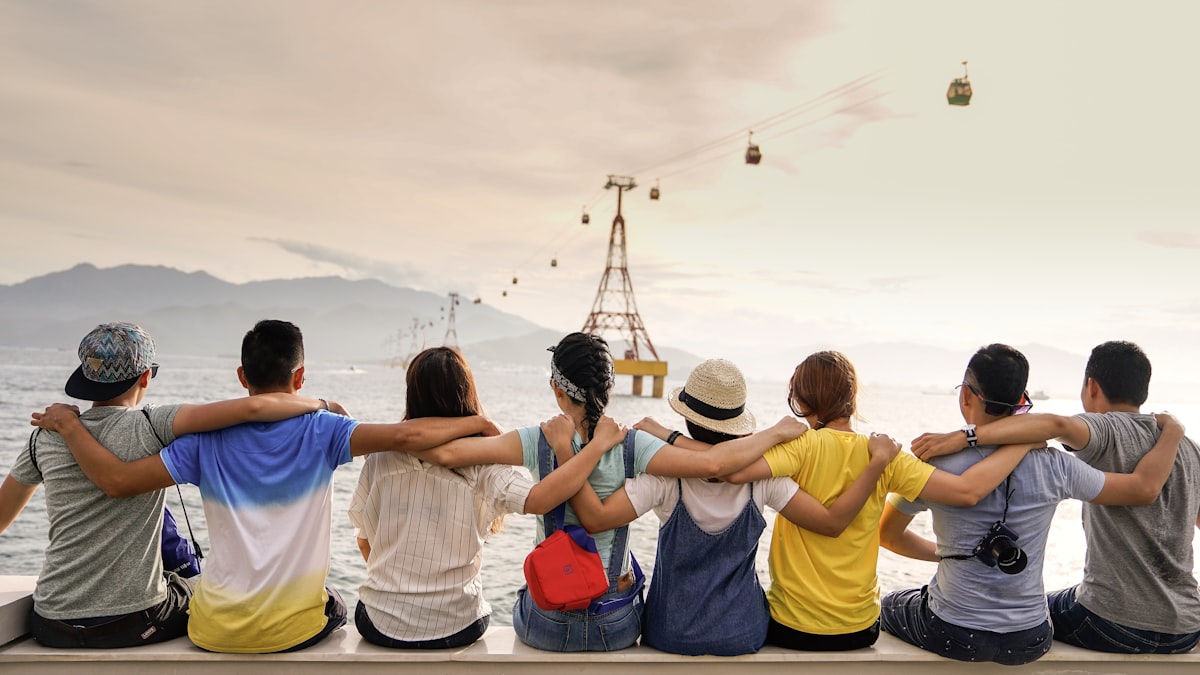
Group lighting is fundamentally different from individual portrait lighting. With one person, you sculpt light across a single face. With groups, you need even illumination across every face while maintaining enough contrast to keep the image from looking flat. The larger the group, the bigger the challenge. The Core Problem Portrait lighting typically uses a key light positioned to one side of the subject, creating a bright side and a shadow side.

Environmental Portraits: Lighting People in Context

Environmental Portraits: Lighting People in Context

Environmental portraits tell a story that studio portraits can’t. A chef in their kitchen, an artist in their studio, a farmer in their field — the environment provides context that gives the viewer insight into who the person is. But lighting these scenes is fundamentally different from studio work. You’re not creating light from scratch — you’re integrating with light that already exists. The Environmental Portrait Philosophy The environment is as important as the subject.