Master These Five Key Light Positions to Transform Your Portrait Work

Master These Five Key Light Positions to Transform Your Portrait Work

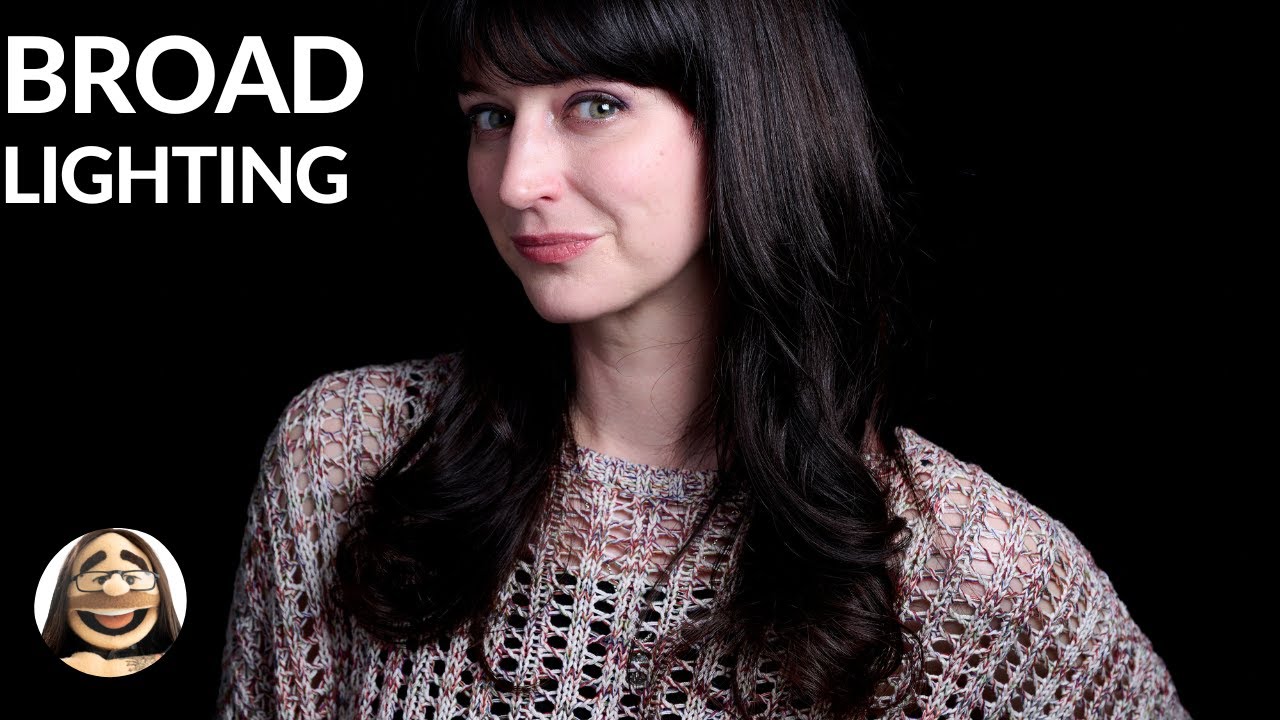
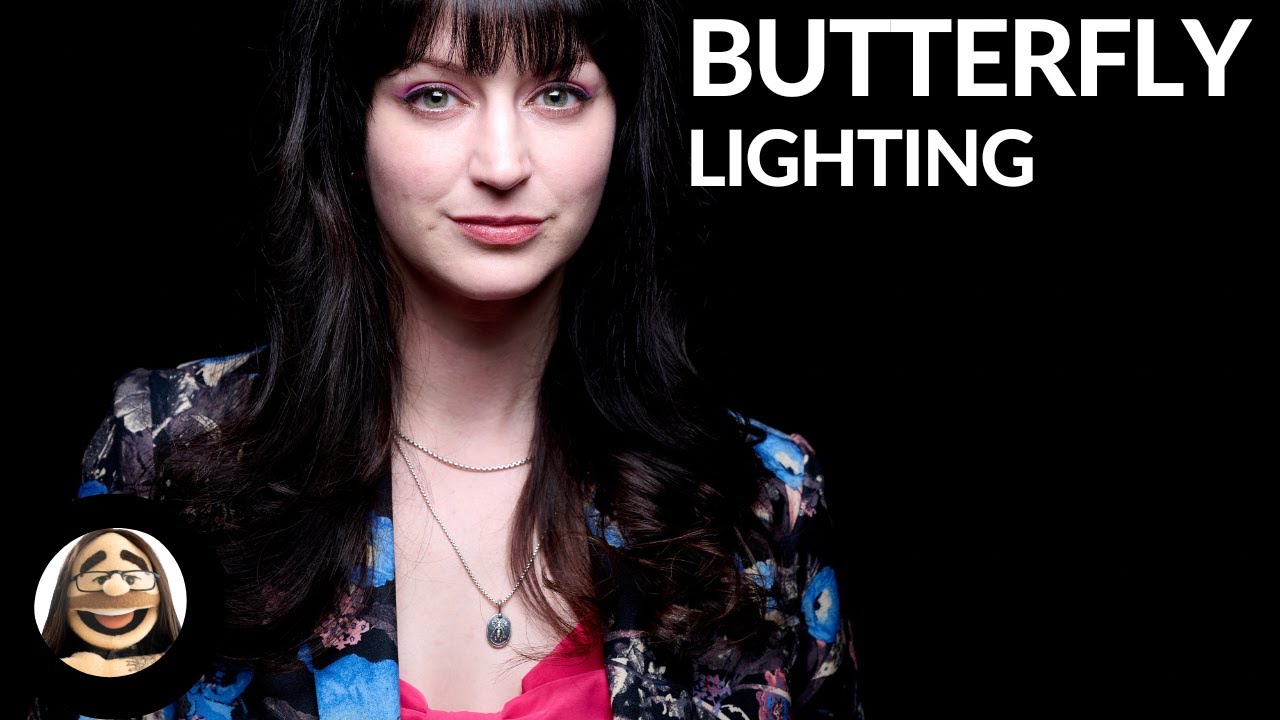
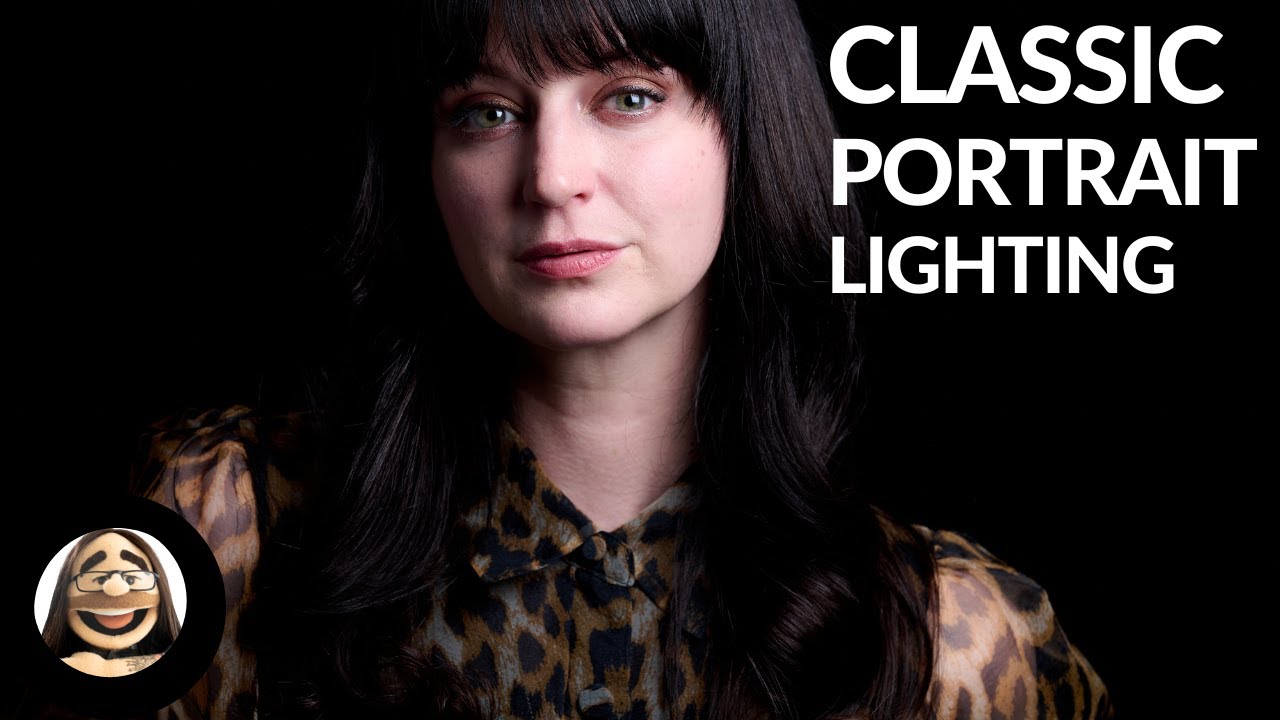
The Foundation of Studio Portraiture I’ve watched countless photographers obsess over posing angles and facial expressions—and they should. But here’s what I’ve learned through years of working in the studio: your lighting setup determines whether a portrait feels alive or falls flat. The position of your key light is the single most important decision you’ll make during a shoot, because it sculpts your subject’s face through shadow placement. Before you position another light modifier, you need to understand the five fundamental key light patterns that form the backbone of professional portrait work.

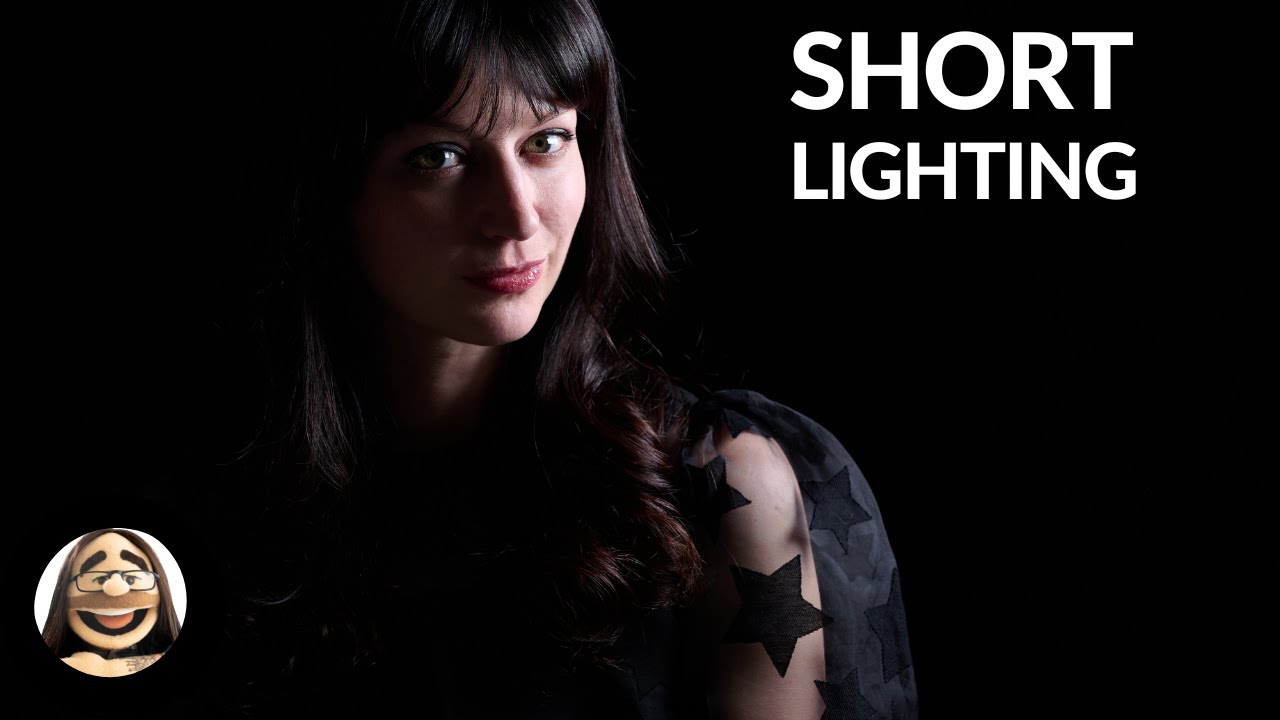
Short Lighting Is My Default Dramatic Setup — Here's How to Build It Right

Short Lighting Is My Default Dramatic Setup — Here's How to Build It Right

There is a specific problem I run into about four times a year on editorial shoots: a client wants “moody and cinematic” but gives me a flat, white cyclorama and exactly zero set design budget. No texture, no shadow, no depth. What saves me every time is short lighting. Not because it is trendy, not because it slims a face (though it can), but because it manufactures drama out of geometry alone.

The Five Portrait Lighting Patterns Every Studio Photographer Needs to Own

The Five Portrait Lighting Patterns Every Studio Photographer Needs to Own

When a Client Asks for “Dramatic” — You Need a Blueprint, Not a Guess Last spring I had a beauty client sit down in my chair, hand me a reference image torn from a magazine, and say “like that.” The image was moody, directional, with deep shadow carving the left side of the model’s face. No lighting diagram. No EXIF data. Just a glossy rectangle and an expectation. I knew immediately it was split lighting pushed slightly toward loop.

The Five Lighting Patterns Every Portrait Photographer Needs to Know (And When to Break Them)

The Five Lighting Patterns Every Portrait Photographer Needs to Know (And When to Break Them)

Every new assistant who works in my studio goes through the same initiation. I hand them a single bare strobe, a grey seamless, and a subject, and I ask them to show me five different looks without moving the light stand more than three feet. Most of them move the stand anyway. The ones who don’t, who understand that the angle and height of a single source can completely restructure a human face, those are the ones I actually want around.

The Five Portrait Lighting Patterns Every Studio Photographer Needs to Own Cold

The Five Portrait Lighting Patterns Every Studio Photographer Needs to Own Cold

I keep a lighting journal. Every shoot, before I break down the set, I sketch the diagram, note the modifier, the distance, the ratio, the color temperature. I have over a decade of these notebooks stacked on a shelf in my studio, and when I flip back through them, one thing stands out: almost every successful portrait I have ever lit traces back to one of five foundational patterns. Not variations.

Reading Light: How to Identify and Build Classic Studio Lighting Patterns From Scratch

Reading Light: How to Identify and Build Classic Studio Lighting Patterns From Scratch

Every time I take on a new editorial client, I pull out my phone and open the lighting diagram app I built myself. Before a single strobe fires, I want a plan. But that habit only developed because I spent years doing the opposite — guessing, adjusting, guessing again — and occasionally ruining shots because I couldn’t read what the light was actually doing. The skill I was missing wasn’t gear knowledge.

The Five Portrait Lighting Patterns Every Studio Shooter Needs to Own

The Five Portrait Lighting Patterns Every Studio Shooter Needs to Own

I keep a lighting journal. Every shoot, I sketch the setup in a small Leuchtturm notebook — light positions, modifier choices, distance to subject, power ratios. I’ve filled four of them. The reason I started was embarrassing: early in my career, I’d hit a look I loved on a Tuesday, and by Thursday I couldn’t recreate it. The variables had drifted and I had no record. Now every light in my studio has a strip of masking tape with its number, and every setup gets logged before I fire a single frame.

The Five Essential Portrait Lighting Patterns Every Studio Photographer Must Master

The Five Essential Portrait Lighting Patterns Every Studio Photographer Must Master

The Five Essential Portrait Lighting Patterns Every Studio Photographer Must Master I’ve spent twenty years perfecting portrait lighting, and I can tell you this with absolute certainty: most photographers overcomplicate it. They chase exotic modifiers and chase trends when they should be mastering five fundamental patterns that solve 90% of your portrait challenges. These aren’t artistic suggestions—they’re structural foundations. Learn them precisely, and you’ll build every other lighting setup from here forward.

The Five Essential Portrait Lighting Patterns Every Photographer Must Master

The Five Essential Portrait Lighting Patterns Every Photographer Must Master

The Five Essential Portrait Lighting Patterns Every Photographer Must Master I’ve spent twenty years in studios, and I can tell you this: lighting patterns aren’t creative luxuries—they’re the grammar of professional portraiture. Master these five setups, and you’ll handle 90% of the work that walks through your door. Deviate from them without understanding why, and you’ll chase problems instead of solving them. Paramount Lighting (Beauty Light Position) Paramount lighting is the safest choice for a reason: it flatters nearly every face.

The Four Lighting Patterns Every Studio Photographer Must Master

The Four Lighting Patterns Every Studio Photographer Must Master

In this excellent tutorial, Joel Grimes breaks down the intimidating world of studio portrait lighting into four manageable, repeatable patterns. If you’ve ever felt overwhelmed by the complexity of studio work, this is exactly where you need to start. I’ve been lighting portraits for fifteen years, and I can tell you with absolute certainty: these four patterns are the foundation of professional photography. Master them, and you’ll immediately understand why your portraits suddenly look like they belong in a portfolio instead of on Instagram.

The Five Portrait Lighting Patterns Every Studio Photographer Must Master

The Five Portrait Lighting Patterns Every Studio Photographer Must Master

The Five Portrait Lighting Patterns Every Studio Photographer Must Master I’ve spent the last fifteen years refining my approach to portrait lighting, and I can tell you with absolute certainty: mastering five core patterns will solve 90% of your lighting challenges. These aren’t creative flourishes or trends. They’re time-tested frameworks that work because they follow the same principles that have guided portrait photographers since the days of studio flash. Let me walk you through each one.

The Five Essential Portrait Lighting Patterns Every Photographer Should Master

The Five Essential Portrait Lighting Patterns Every Photographer Should Master

The Five Essential Portrait Lighting Patterns Every Photographer Should Master I’ve spent twenty years in studios across three continents, and I can tell you this with certainty: you don’t need thirty light setups. You need five. Master these patterns, and you’ll handle virtually every portrait scenario that walks through your door. Everything else is variation. Think of lighting patterns like recipes. You measure precisely, follow the sequence, and you get consistent results.