The Five Essential Portrait Lighting Patterns Every Photographer Should Master

The Five Essential Portrait Lighting Patterns Every Photographer Should Master

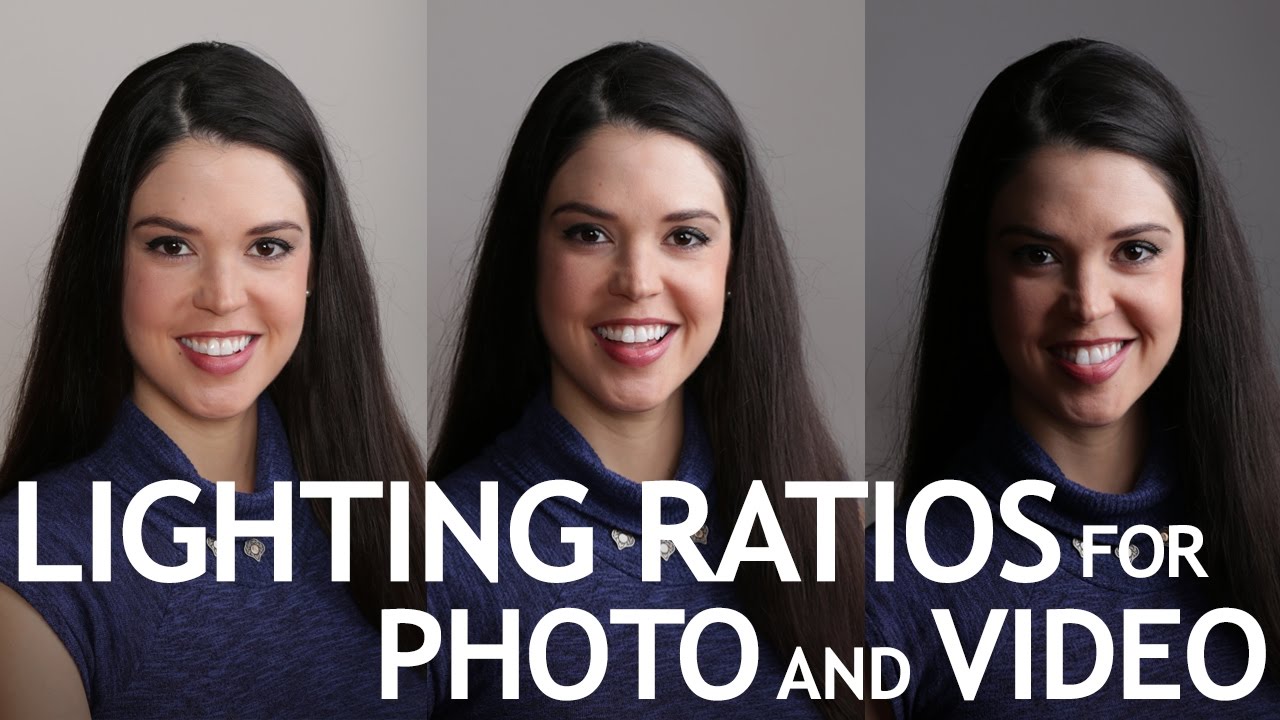
The Five Essential Portrait Lighting Patterns Every Photographer Should Master I’ve spent twenty years in studios across three continents, and I can tell you this with certainty: you don’t need thirty light setups. You need five. Master these patterns, and you’ll handle virtually every portrait scenario that walks through your door. Everything else is variation. Think of lighting patterns like recipes. You measure precisely, follow the sequence, and you get consistent results.

Low Key Lighting: The Discipline of Shadows

Low Key Lighting: The Discipline of Shadows

Low Key Lighting: The Discipline of Shadows Low key lighting isn’t moody for mood’s sake. It’s a deliberate, methodical approach to revealing form through contrast. I’ve spent years refining it, and I’m convinced it separates amateurs from professionals faster than any other technique. When executed properly, low key work demands precision—in positioning, in metering, in every decision you make. Understanding Low Key: Definition and Intent Low key means exactly what it says: the key light is low in output relative to your exposure.

Group Lighting: The Four-Light System That Works Every Time

Group Lighting: The Four-Light System That Works Every Time

Group Lighting: The Four-Light System That Works Every Time I’ve lit hundreds of group portraits, and I can tell you this: most photographers overcomplicate it. They chase trendy modifiers, obsess over brand names, and abandon their setup the moment something feels “off.” Then they blame the lighting. I don’t work that way. I use the same four-light system for nearly every group shoot, from five people to twenty. It’s not sexy.