On-Axis Fill: The One Placement Rule That Eliminates Crossed Shadows for Good

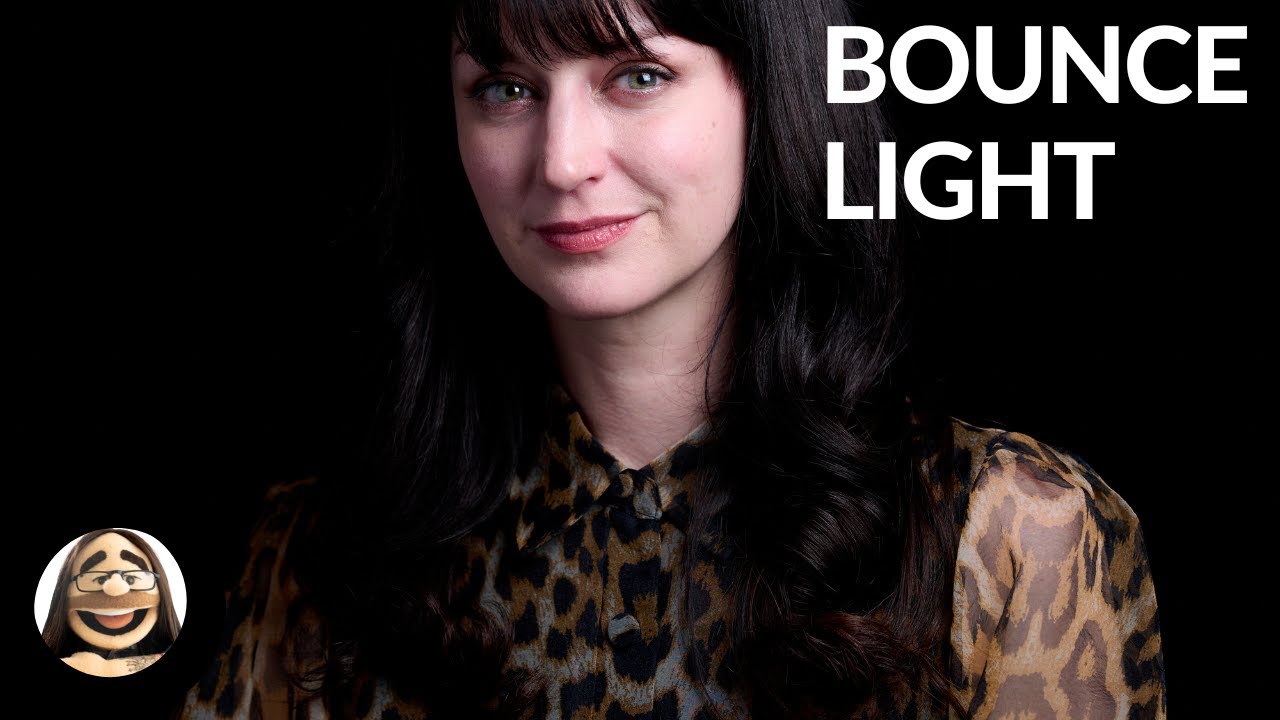
On-Axis Fill: The One Placement Rule That Eliminates Crossed Shadows for Good

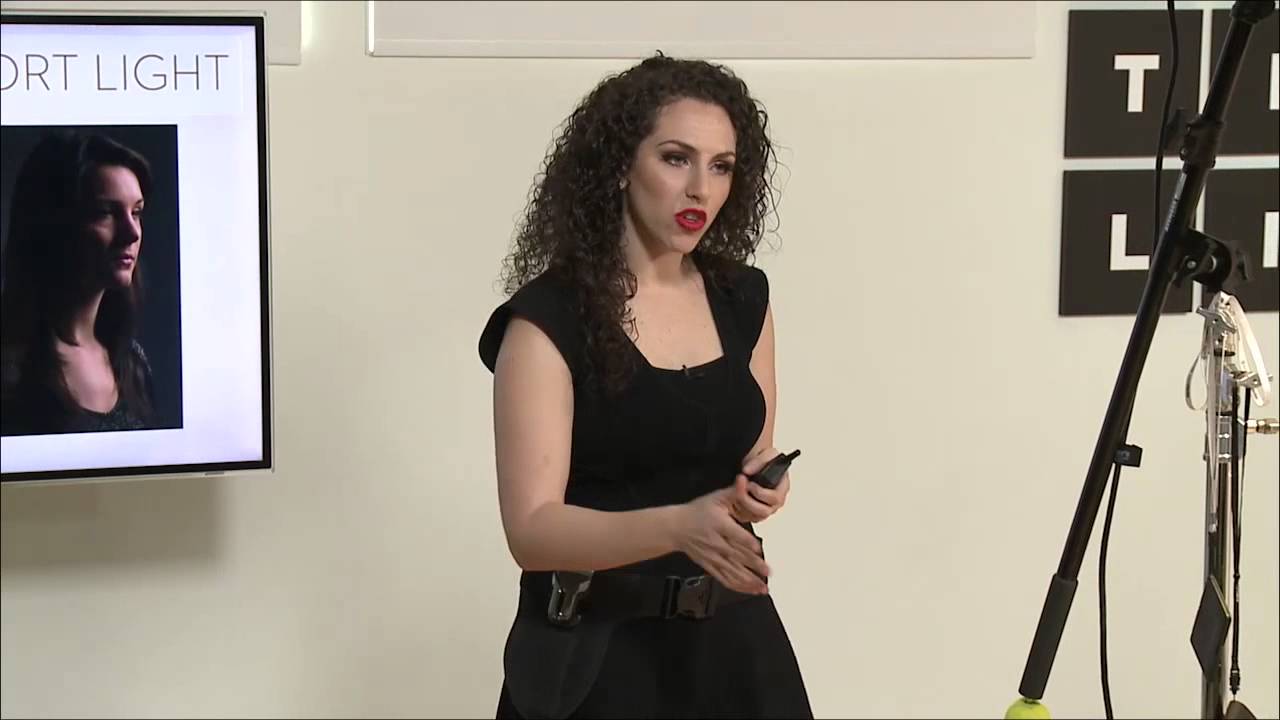
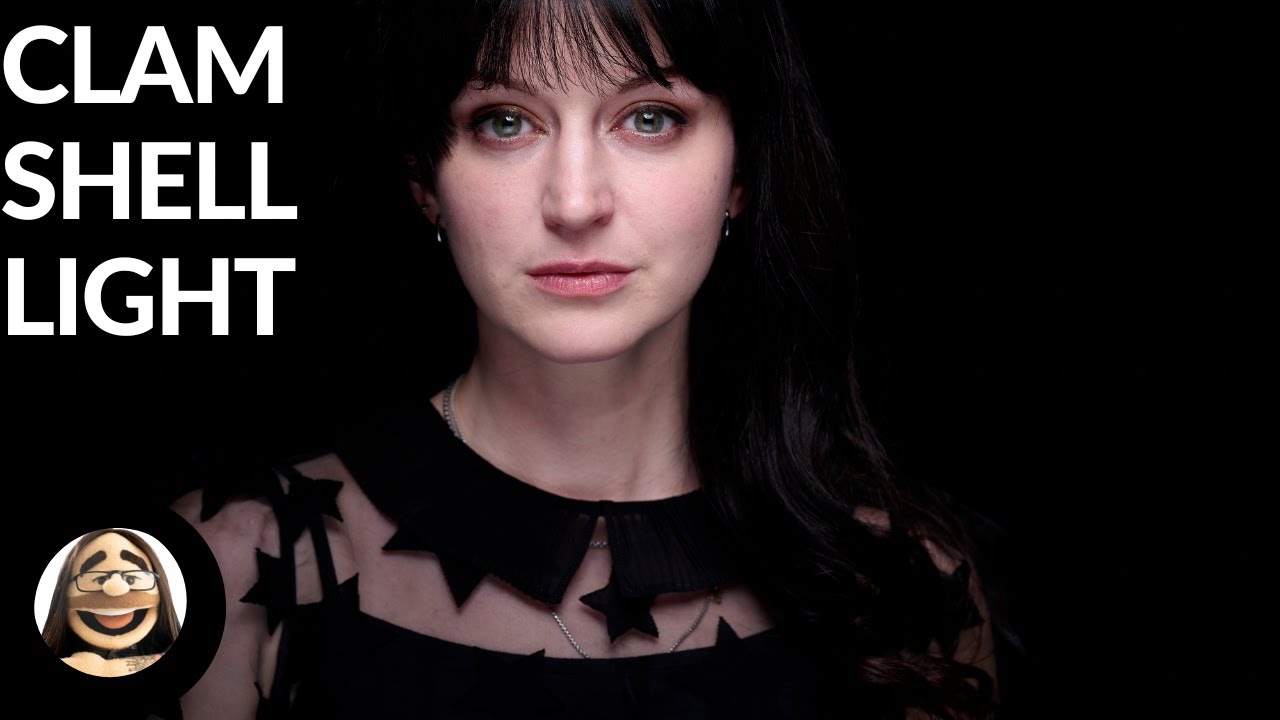
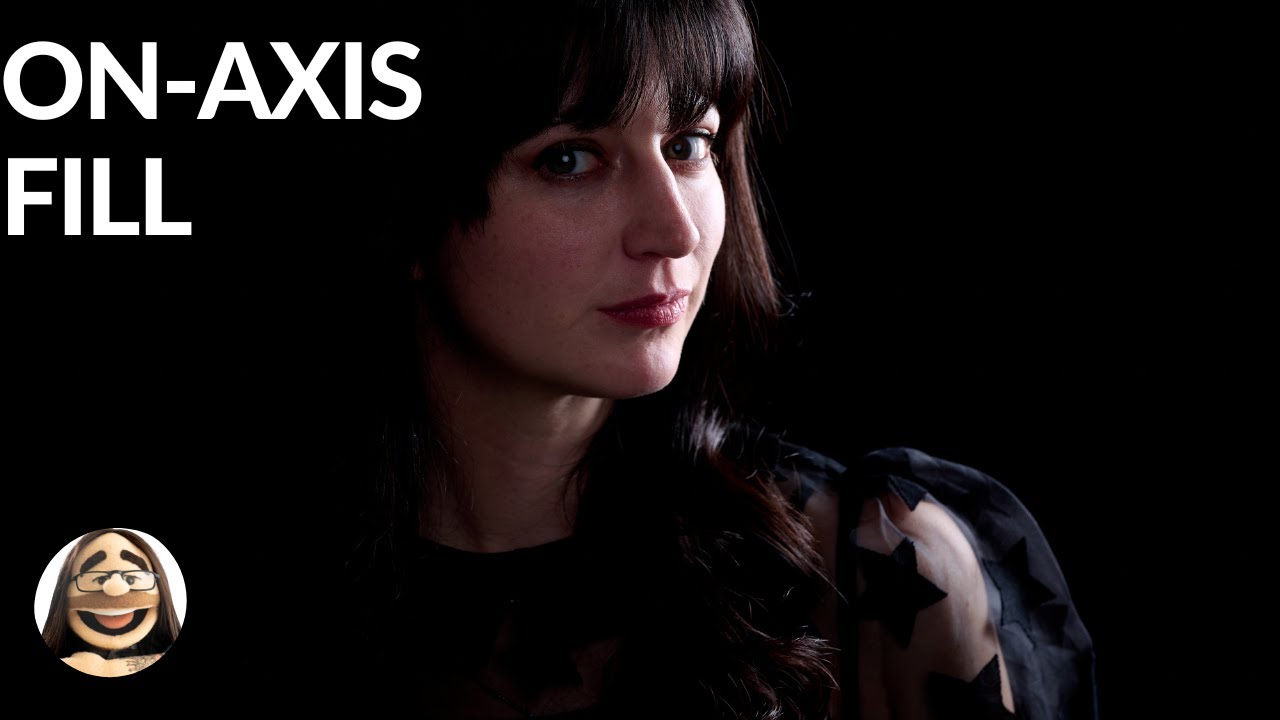
Every time I walk into a studio rental and see a photographer’s fill light parked directly opposite the key light, I know exactly what their images look like before I even glance at the camera. Two competing shadow directions. A muddy, restless quality across the face that no amount of retouching fully fixes. I’ve been there. Early in my career I set up fill lights wherever they happened to be convenient, and I spent hours in post wondering why the skin tones felt so complicated.

Faking Window Light in the Studio: How to Sell the Lie With Two Lights

Faking Window Light in the Studio: How to Sell the Lie With Two Lights

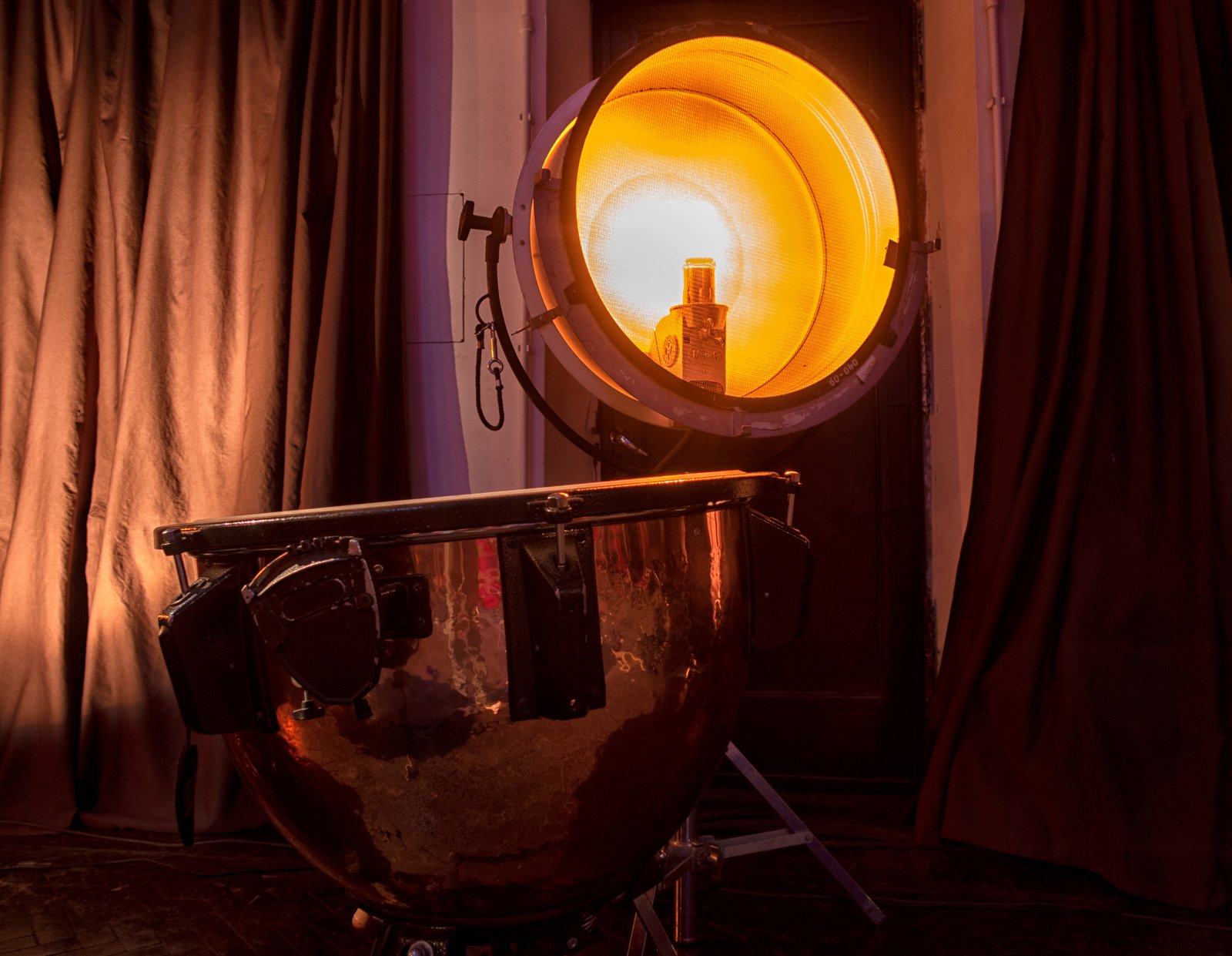
There is a specific failure mode I see constantly in studio work where photographers create technically correct light that still feels wrong. The exposure is clean, the modifiers are appropriate, the histogram is fine. But the image has no sense of place. It could have been shot anywhere, at any time, under any conditions. That placelessness kills the mood before the viewer even registers it consciously. The ability to fake a real-world light source, something with narrative weight like a streetlight, a hotel window, a passing car, is one of the most useful skills a working photographer can develop, and it is one I keep returning to in my own commercial work.

Light, Style, Story: What a Pro Food Photography Course Taught Me About Shooting with Intent

Light, Style, Story: What a Pro Food Photography Course Taught Me About Shooting with Intent

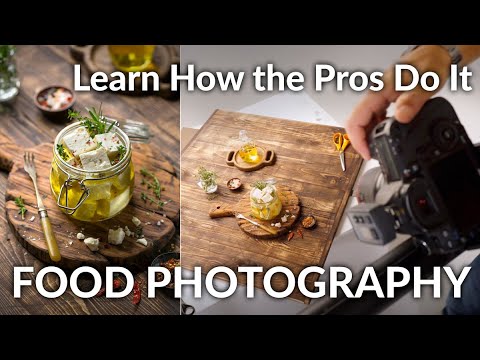
Food photography has always sat at the edge of my comfort zone. I shoot fashion, beauty, corporate headshots — controlled environments where I know exactly how light behaves on a face or a fabric. But food is different. It moves, it wilts, it reflects in ways you don’t expect, and it carries an emotional weight that pure product work doesn’t. When a plate of food looks right in a photograph, you feel it before you understand it.

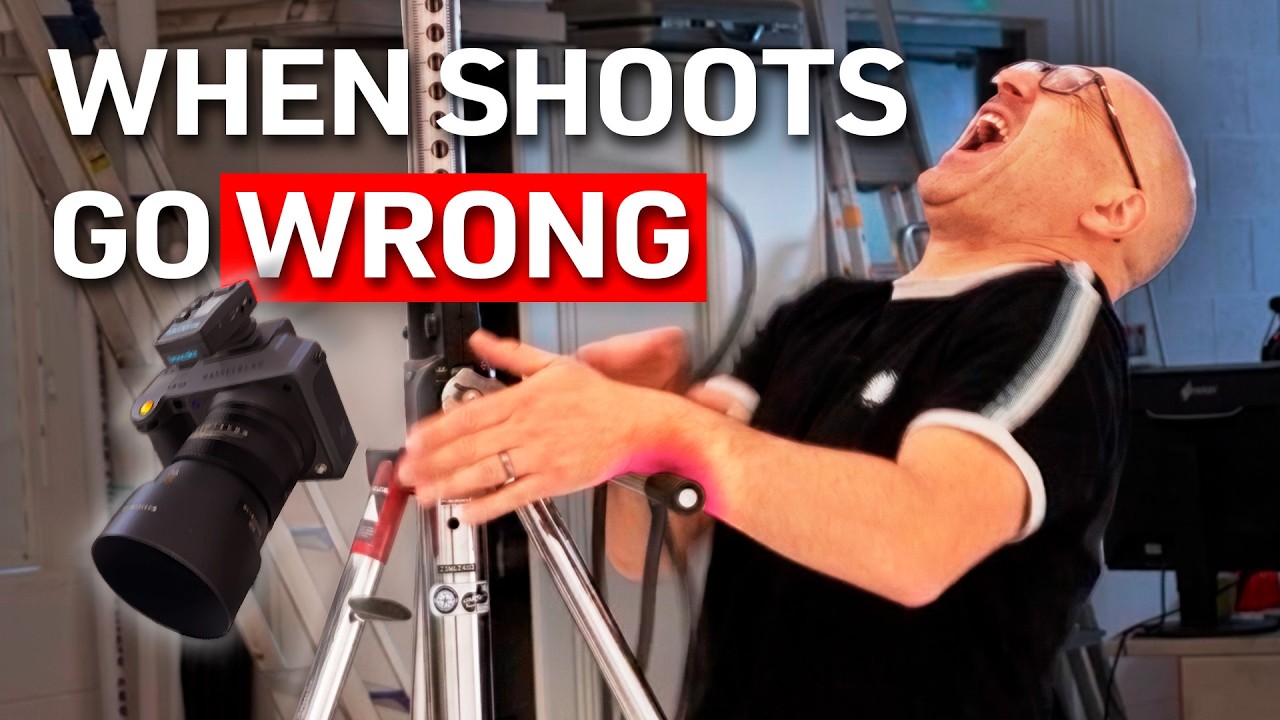
What Bloopers From a Freezing Studio Taught Me About Shooting With Intention

What Bloopers From a Freezing Studio Taught Me About Shooting With Intention

There is a particular kind of education you only get when things go wrong. I have been shooting commercial and editorial work for long enough to know that the polished final tutorial is rarely where the real lessons live. The real lessons live in the moment the camera nearly hits the floor, in the take where someone’s fly was undone the entire time, in the freezing cold studio where nobody thought to book heating.

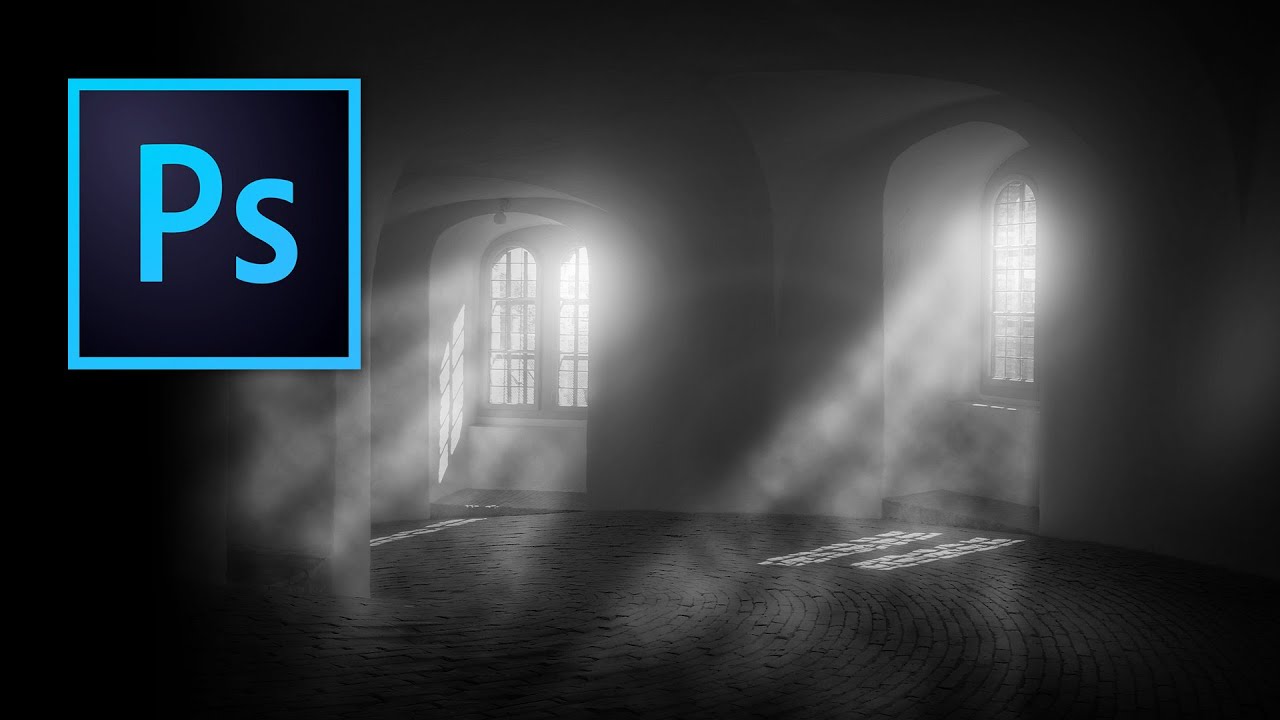
Painting With Light in Photoshop: A Studio Photographer's Take on Dramatic Lighting

Painting With Light in Photoshop: A Studio Photographer's Take on Dramatic Lighting

Most of my lighting problems get solved before I ever open Photoshop. I label every head in my studio with masking tape, I keep a lighting journal of every setup I’ve ever shot, and I’ve designed my own diagram app because the ones available never matched how I actually think on set. But even with all that prep, there are times when a client image needs something the strobes couldn’t give it on the day.

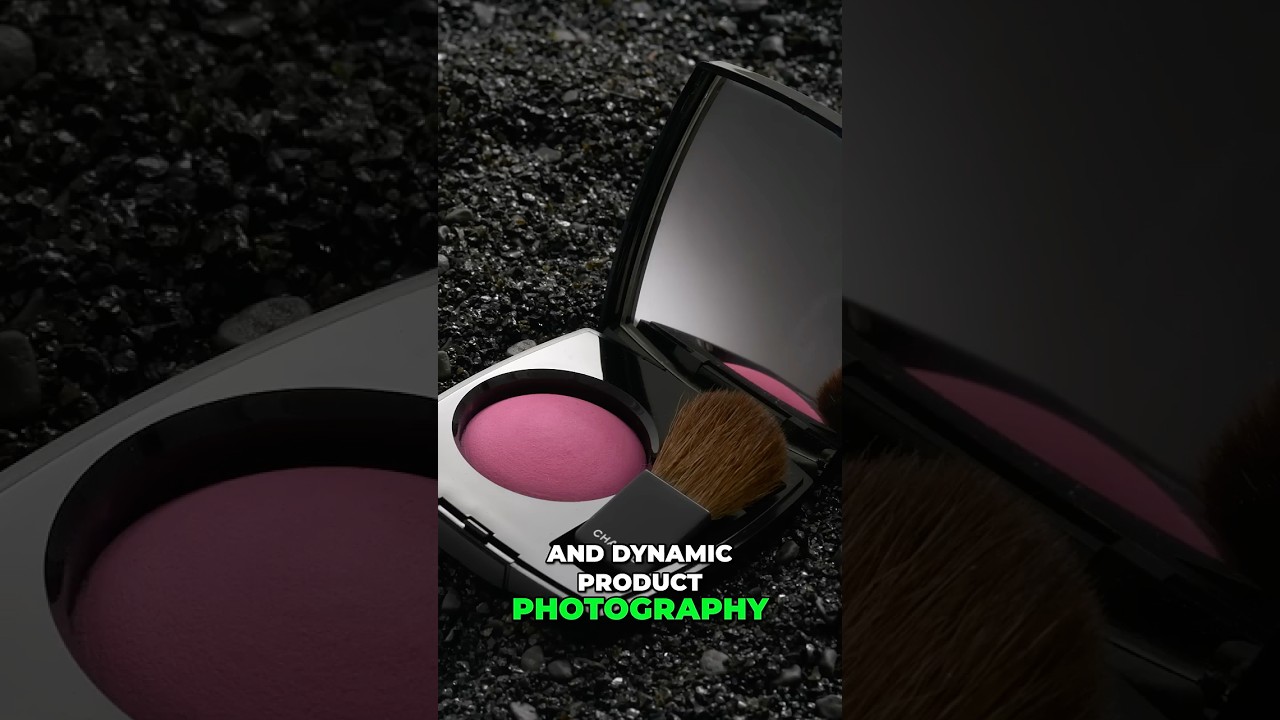
Pro Product Photography in Tight Spaces: What Karl Taylor's Budget Shoot Actually Teaches You

Pro Product Photography in Tight Spaces: What Karl Taylor's Budget Shoot Actually Teaches You

I shoot commercial work out of a studio in Los Angeles that I’ve spent years optimizing. The right modifiers, the right power packs, enough ceiling height to do almost anything. And yet some of my most technically instructive moments have come from watching experienced photographers deliberately strip all of that away. There’s a specific kind of clarity that comes from constraints, and it’s something I try to remind myself of every time a client assumes that the quality of the final image scales directly with the size of the equipment rental invoice.

The Single-Strobe Challenge: Mastering Three Distinct Lighting Styles in One Session

The Single-Strobe Challenge: Mastering Three Distinct Lighting Styles in One Session

The Single-Strobe Challenge: Mastering Three Distinct Lighting Styles in One Session I’ve always maintained that gear versatility matters far less than understanding light itself. That said, when a single piece of equipment can genuinely perform across multiple lighting disciplines without compromise, it deserves serious attention. Recently, I observed a practical demonstration that challenged my own assumptions about what modern portable strobes can accomplish. The exercise was straightforward: take one strobe and produce three entirely different lighting scenarios—beauty light, dramatic sidelight, and high-key silhouette work—all within a single session.

Low Key Lighting: The Discipline That Separates Competent Photographers From Masters

Low Key Lighting: The Discipline That Separates Competent Photographers From Masters

I’ve spent twenty years in studios lit by everything from tungsten to strobes, and I can tell you this: low key lighting is the discipline that exposes your technical weaknesses faster than any other setup. It demands precision where other styles forgive sloppiness. This is exactly why you should master it. Low key lighting isn’t about making things dark. That’s a dangerous misconception. It’s about controlling the ratio between your key light and fill, creating deliberate shadows that sculpt the subject rather than illuminate it equally.

Creative Gels for Studio Photography: The Ingredient That Changes Everything

Creative Gels for Studio Photography: The Ingredient That Changes Everything

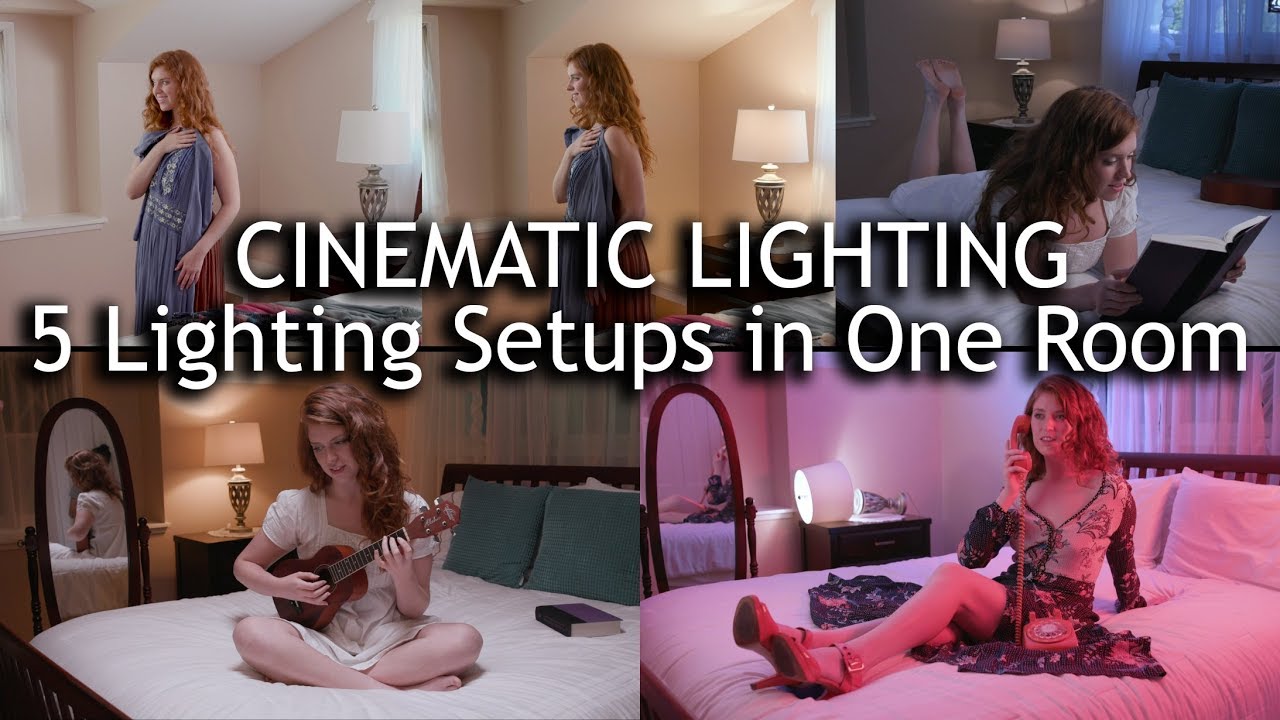
I’ve spent twenty years mixing light the way a chef mixes ingredients, and I can tell you this: most photographers treat gels like an afterthought. They’re not. Gels are the difference between competent work and compelling work. Think of gels as your most controllable variable. You can’t change the sun, but you can shape every photon in your studio. That precision is why I use gels on nearly every shoot.