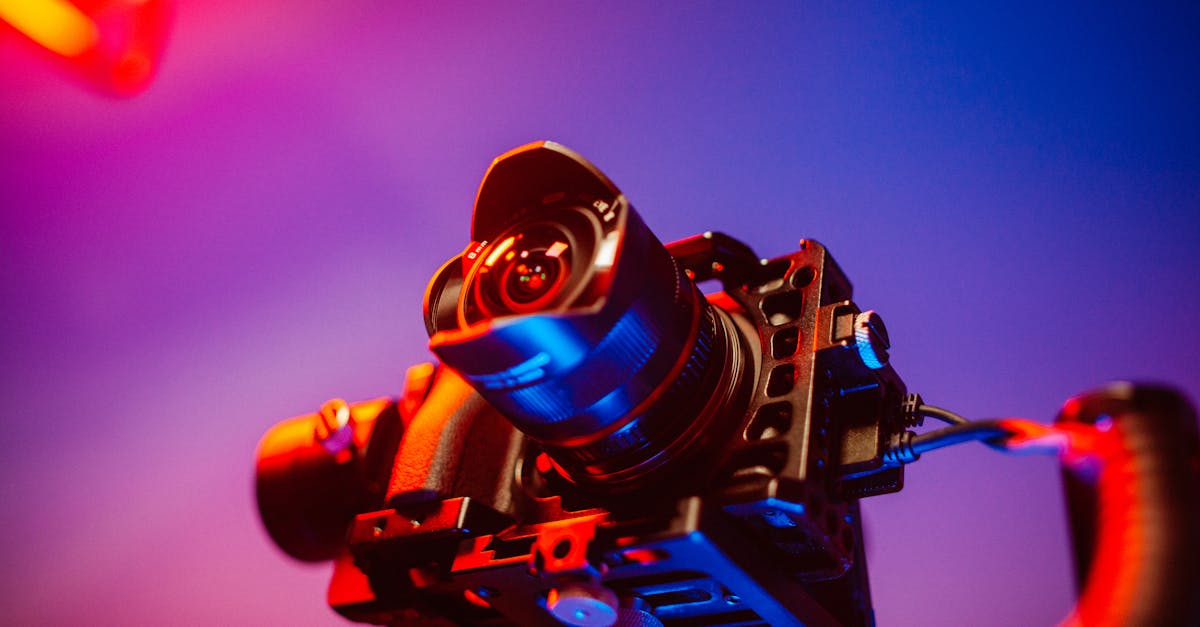
Low Key Lighting: The Discipline That Separates Competent Photographers From Masters

Low Key Lighting: The Discipline That Separates Competent Photographers From Masters

I’ve spent twenty years in studios lit by everything from tungsten to strobes, and I can tell you this: low key lighting is the discipline that exposes your technical weaknesses faster than any other setup. It demands precision where other styles forgive sloppiness. This is exactly why you should master it. Low key lighting isn’t about making things dark. That’s a dangerous misconception. It’s about controlling the ratio between your key light and fill, creating deliberate shadows that sculpt the subject rather than illuminate it equally.

Low Key Lighting: The Discipline of Shadows

Low Key Lighting: The Discipline of Shadows

Low Key Lighting: The Discipline of Shadows Low key lighting isn’t moody for mood’s sake. It’s a deliberate, methodical approach to revealing form through contrast. I’ve spent years refining it, and I’m convinced it separates amateurs from professionals faster than any other technique. When executed properly, low key work demands precision—in positioning, in metering, in every decision you make. Understanding Low Key: Definition and Intent Low key means exactly what it says: the key light is low in output relative to your exposure.