How to Make Strobe Lighting Look Like It Actually Belongs in the Scene

How to Make Strobe Lighting Look Like It Actually Belongs in the Scene

I’ve shot enough location work to know that “it looks strobe lit” is one of the worst things a client can say about a finished image. The subject is sharp, the exposure is right, and somehow the whole thing still looks fake. The light sits on top of the scene instead of inside it. For years I treated this as an ambient light problem, something to fix in post or avoid by shooting faster at dusk.

How to Fake a Blazing Sun with a Single Strobe (And Why It Works Better Than the Real Thing)

How to Fake a Blazing Sun with a Single Strobe (And Why It Works Better Than the Real Thing)

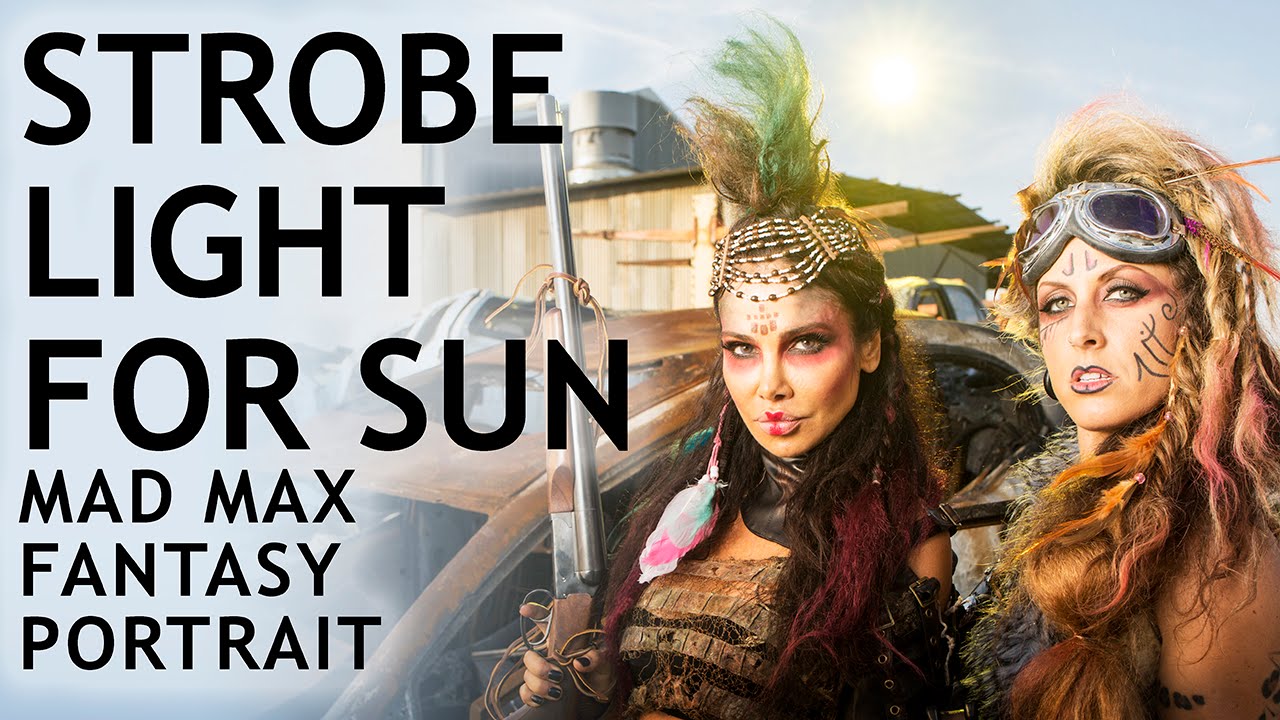
There’s a particular kind of location shoot that exposes every gap in your lighting toolkit: hard midday sun, a background you can’t move, and subjects whose faces you need to control precisely. I’ve been in that situation more times than I’d like to admit, usually squinting at my laptop screen trying to figure out why the ambient exposure looks nothing like what I wanted when I planned the shot at 8am.

The Neewer Q120: Bridging the Gap Between Speedlights and Studio Strobes

The Neewer Q120: Bridging the Gap Between Speedlights and Studio Strobes

The Middle Ground Problem For years, location photographers faced a frustrating choice: carry a speedlight with limited power, or haul full-size studio equipment that defeats the purpose of being mobile. I’ve watched colleagues struggle with this decision on countless outdoor portrait sessions. The Neewer Q120 attempts to solve this equation, and after testing it extensively, I have clear thoughts on whether it succeeds. Power Without the Burden The Q120 delivers 120 watt-seconds of output in a package that weighs less than most battery grips.

The Flat Light Problem: Why Your Outdoor Sessions Fall Short (And What Actually Works)

The Flat Light Problem: Why Your Outdoor Sessions Fall Short (And What Actually Works)

The Flat Light Dilemma I’ve examined thousands of outdoor portraits over my career, and I see the same problem repeatedly: lifeless, dimensionless skin tones that make your subject look washed out despite shooting in natural daylight. The culprit isn’t always obvious to newer photographers, but once you understand it, the solution becomes remarkably straightforward. Outdoor ambient light—especially midday sun or overcast conditions—creates a fundamental challenge. Bright overhead sun produces harsh shadows under eyes and chin, while cloudy skies deliver light so flat it eliminates facial contours entirely.