85mm, Controlled Light, and a Repeatable Process: My Breakdown of a Solid Studio Portrait Tutorial

85mm, Controlled Light, and a Repeatable Process: My Breakdown of a Solid Studio Portrait Tutorial

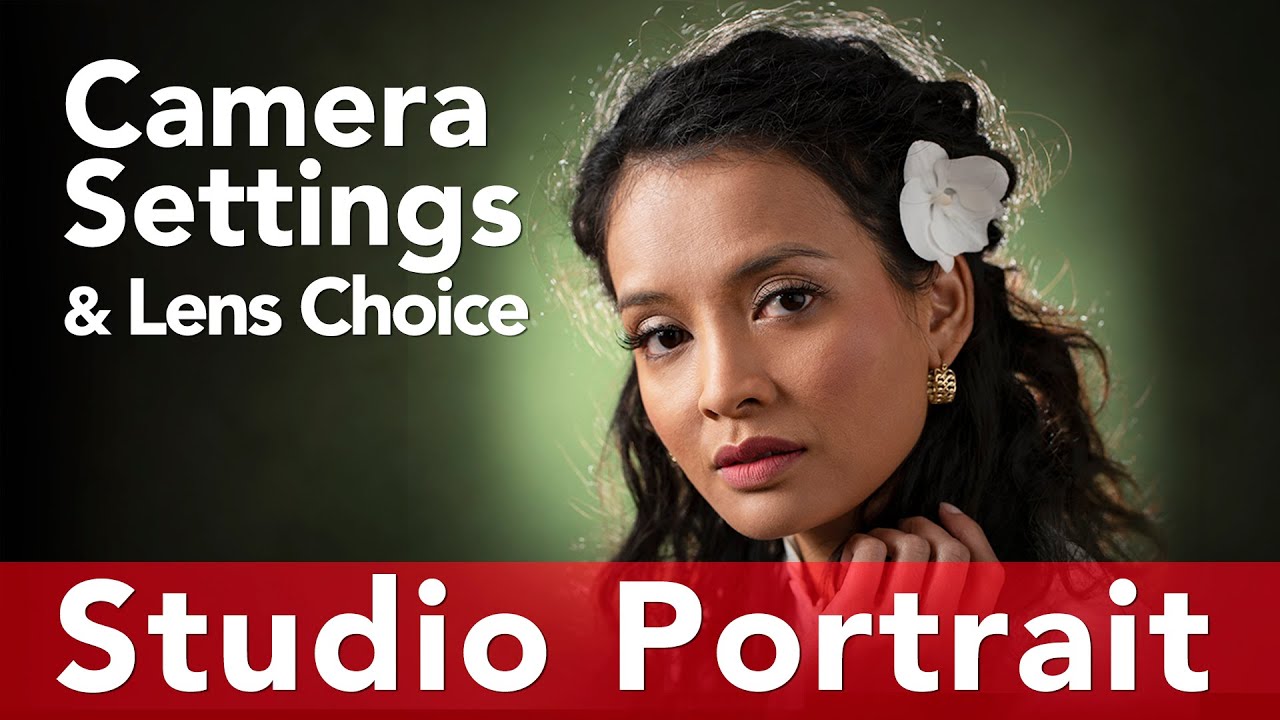
There’s a question I get from assistants and younger photographers on set more than almost any other: “What settings are you shooting at?” It sounds simple, but behind it is a real anxiety about the technical side of studio work. The honest answer is that the settings matter less than the decisions that lead to them, and those decisions start with your lens, not your camera. When I came across this The Slanted Lens tutorial from Jay P.
Why Your Studio Portraits Look Flat: Posing and Lighting Lessons from a Blind Critique

Why Your Studio Portraits Look Flat: Posing and Lighting Lessons from a Blind Critique

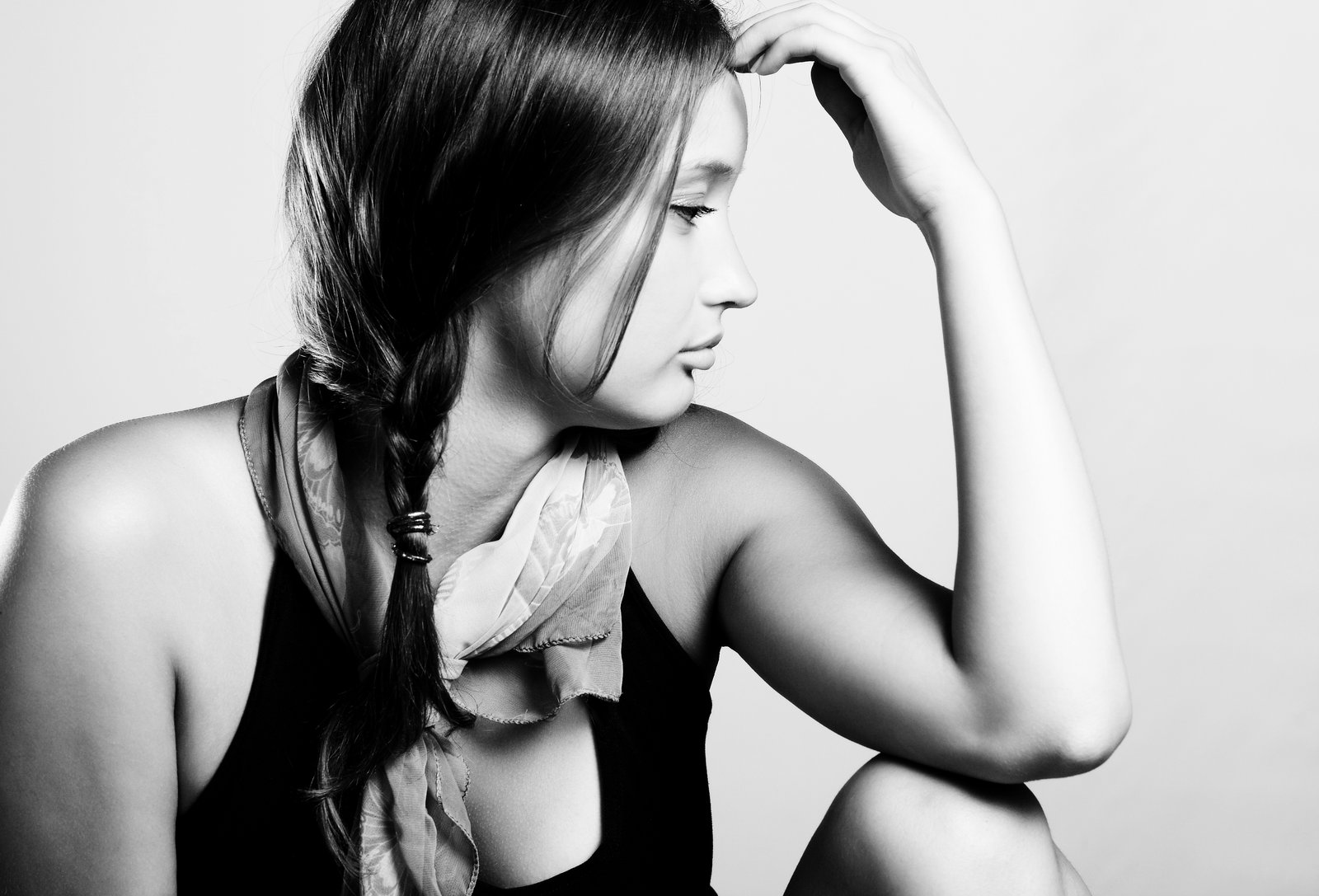
Posing is the thing nobody wants to hear about. Photographers will spend hours obsessing over light ratios, modifier choice, and color calibration — guilty as charged — and then put a subject in front of that carefully engineered setup and completely fall apart. I’ve done it. The light was dialed in, the background was clean, and the model looked like she was waiting for a bus. The image was technically correct and emotionally dead.

Why Your Subject Looks Stiff: The Posing Principles I Use on Every Commercial Shoot

Why Your Subject Looks Stiff: The Posing Principles I Use on Every Commercial Shoot

I had a model in my studio last spring, booked by a beauty brand for a skincare campaign. She had done runway work, catalog shoots, catalog shoots, the whole resume. And she stood in front of my strobe setup like she was waiting for a bus. Shoulders square, weight centered, chin doing absolutely nothing useful. The client was watching on a laptop feed from the couch. I had maybe forty minutes left on the clock.

Shooting Warm Light Against a Blue Background: A Bridal Portrait Technique Worth Stealing

Shooting Warm Light Against a Blue Background: A Bridal Portrait Technique Worth Stealing

There’s a mistake I made early in my career that I still think about. I was shooting an editorial and the window light was pouring in cool and blue while my tungsten modeling lights were throwing warm amber everywhere. I corrected everything to a neutral skin tone in post, and the images looked flat and lifeless. I had unknowingly solved the wrong problem. What I should have done was let those two color temperatures fight each other, and lean into the contrast instead of erasing it.

Why Your Subjects Look Stiff on Camera (And How Posing Starts Before You Touch the Shutter)

Why Your Subjects Look Stiff on Camera (And How Posing Starts Before You Touch the Shutter)

The Problem Shows Up in the Eyes, Not the Body Last spring I was shooting a beauty campaign for a skincare client, three looks, tight deadline, and a model who had a solid book but kept going rigid the moment I stepped behind the camera. Arms too straight. Jaw too set. Every frame looked like a driver’s license photo with better lighting. We were 45 minutes in before I realized I had been directing her body and completely ignoring what was happening in her face and spine.

How I Set Up a Glamour Portrait Studio Session (And What I Learned from Tony Northrup's Shoot)

How I Set Up a Glamour Portrait Studio Session (And What I Learned from Tony Northrup's Shoot)

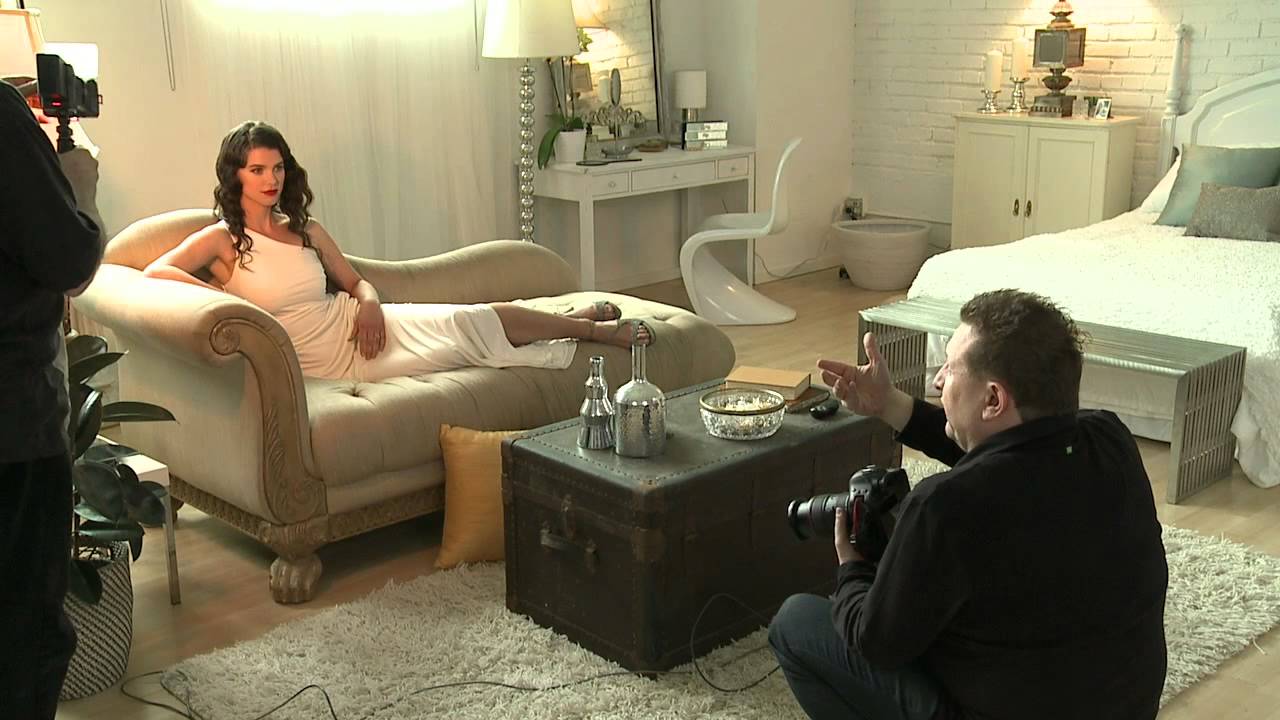
Every studio photographer eventually faces the same problem: too many moving pieces arriving at the same time. The model shows up, the makeup artist is still packing her kit, and you’re standing there trying to swap out a modifier while everyone watches. I’ve been there more than once in my early years, and it cost me momentum on shoots where momentum was everything. That’s why I keep coming back to tutorials that treat production logistics as seriously as they treat f-stops.

Why Your Subject Looks Stiff: The Posing Framework I Use on Every Studio Shoot

Why Your Subject Looks Stiff: The Posing Framework I Use on Every Studio Shoot

The Problem Isn’t the Pose — It’s the Sequence Last spring I was shooting a beauty campaign for a skincare brand. Eight-hour day, two models, a Profoto B10X on a 5-foot Octa camera left, a strip box at 45 degrees behind the subject for a rim. The lighting was dialed in before the first model even sat down. The problem? Twenty minutes into the shoot, every frame looked like a passport photo.

The Architecture of Posing: Building Flattering Lines Without Guesswork

The Architecture of Posing: Building Flattering Lines Without Guesswork

I’ve watched photographers spend thousands on lighting gear only to sabotage their work with poor posing. A $300 reflector won’t save you from a slouched spine or a squared-off shoulder. Posing isn’t art—it’s architecture. Learn the load-bearing walls, and everything else follows. The Shoulder Rule: Your Foundation Start here. Every portrait fails or succeeds based on shoulder placement. I require this from every subject: shoulders positioned at a 45-degree angle to camera.