Start From the Floor Up: Posing Fundamentals for Professional Headshots

Start From the Floor Up: Posing Fundamentals for Professional Headshots

Posing is the part of headshot work that nobody wants to admit they find difficult. Lighting, I can diagram in my sleep. I have an entire app on my phone for it. But put a real human being in front of my camera and ask me to make them look natural, relaxed, and professional all at once, and the margin for error gets very thin, very fast. It took me years of corporate headshot sessions before I developed a reliable framework I could repeat under pressure.
Why Your Subject Looks Stiff: The Posing Principles I Use on Every Commercial Shoot

Why Your Subject Looks Stiff: The Posing Principles I Use on Every Commercial Shoot

I had a model in my studio last spring, booked by a beauty brand for a skincare campaign. She had done runway work, catalog shoots, catalog shoots, the whole resume. And she stood in front of my strobe setup like she was waiting for a bus. Shoulders square, weight centered, chin doing absolutely nothing useful. The client was watching on a laptop feed from the couch. I had maybe forty minutes left on the clock.

Why Your Subject Looks Flat: Posing as a Lighting Problem, Not a People Problem

Why Your Subject Looks Flat: Posing as a Lighting Problem, Not a People Problem

The Shoot That Made Me Rethink Everything I Knew About Posing I had a model in the studio last spring. Experienced, professional, genuinely beautiful. I had a Profoto B10 with a 3-foot Rotalux softbox camera left, a reflector camera right, and a clean gray backdrop. Textbook setup. I shot 200 frames and came back with almost nothing usable. The light was technically correct. The exposure was spot on. But she looked stiff, two-dimensional, like a cardboard cutout standing in front of a well-lit wall.

Why Your Subjects Look Stiff: The Posing Problem That Starts Before You Touch the Camera

Why Your Subjects Look Stiff: The Posing Problem That Starts Before You Touch the Camera

The Shot That Almost Wasted a Full Studio Day I had a corporate client fly in from New York for a half-day executive portrait session. The lighting was dialed in before they arrived: a 48-inch Octa as the key at roughly 45 degrees, a strip box camera-left for edge separation, a kicker behind the subject at about 1/8 power. Ratios were solid. The set looked great on the tethered monitor.

Beauty Dish, Fill Card, and the Posing Logic Behind a Powerful Headshot

Beauty Dish, Fill Card, and the Posing Logic Behind a Powerful Headshot

Headshots are the shoot I get called for most often that I also see done worst most often. Not because photographers don’t understand light, but because they treat headshots like portraits. They’re not the same thing. A portrait can afford to be atmospheric. A headshot has one job: make this person look like the most commanding version of themselves. That requires a completely different posing vocabulary and a lighting setup precise enough to be repeatable.

Why Your Subject Looks Flat: Posing as a Light Management Problem

Why Your Subject Looks Flat: Posing as a Light Management Problem

The Shoot That Made Me Rethink Everything I Knew About Posing Three years into shooting editorial work, I had a model in front of a 60-inch Photek Softlighter II and I could not figure out why every frame looked wrong. The light was correct. My exposure was dialed. The model was experienced and moving well. I kept chimping, kept adjusting the modifier position, kept second-guessing my Profoto B1 settings. It wasn’t until I asked her to rotate her shoulders about 15 degrees toward the light that the whole image snapped into place.

Why Your Subjects Look Stiff on Camera (And How Posing Starts Before You Touch the Shutter)

Why Your Subjects Look Stiff on Camera (And How Posing Starts Before You Touch the Shutter)

The Problem Shows Up in the Eyes, Not the Body Last spring I was shooting a beauty campaign for a skincare client, three looks, tight deadline, and a model who had a solid book but kept going rigid the moment I stepped behind the camera. Arms too straight. Jaw too set. Every frame looked like a driver’s license photo with better lighting. We were 45 minutes in before I realized I had been directing her body and completely ignoring what was happening in her face and spine.

How to Light and Pose Swimwear in the Studio Without a Pool, a Beach, or a Prayer

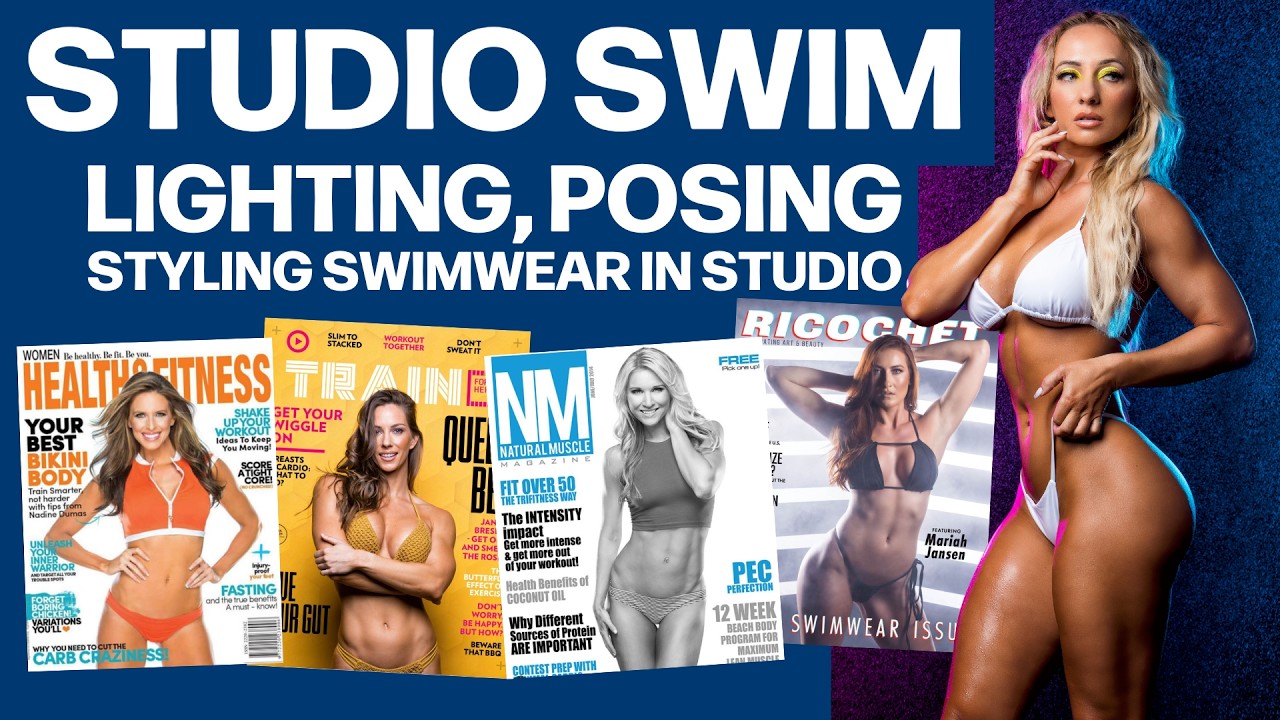
How to Light and Pose Swimwear in the Studio Without a Pool, a Beach, or a Prayer

Last month I got a booking from a small activewear brand that had pivoted into swimwear. They needed catalog shots, clean white-background stuff, and a handful of editorial-leaning images for their website hero. I’ve shot plenty of fitness and apparel work, but swimwear has its own specific gravity. The lighting that flatters a jacket flatters almost nothing else. The posing that reads confident in sportswear can read uncomfortable or overly exposed in a swimsuit.

Why Your Subject Looks Stiff: The Posing Framework I Use on Every Studio Shoot

Why Your Subject Looks Stiff: The Posing Framework I Use on Every Studio Shoot

The Problem Isn’t the Pose — It’s the Sequence Last spring I was shooting a beauty campaign for a skincare brand. Eight-hour day, two models, a Profoto B10X on a 5-foot Octa camera left, a strip box at 45 degrees behind the subject for a rim. The lighting was dialed in before the first model even sat down. The problem? Twenty minutes into the shoot, every frame looked like a passport photo.

The Science of Authentic Smiles: Why Say Cheese Fails in the Studio

The Science of Authentic Smiles: Why Say Cheese Fails in the Studio

The Science of Authentic Smiles: Why “Say Cheese” Fails in the Studio I’ve watched hundreds of photographers default to the same tired direction: “Say cheese!” Then I watch their clients deliver exactly what you’d expect—a tight, uncomfortable grimace that screams artifice. It’s a studio epidemic, and frankly, it needs to stop. The problem isn’t subtle. When you ask someone to say a word with a hard “ch” sound, you’re actually triggering the wrong facial muscles.

Mastering Bridal Party Poses and Off-Camera Flash in Harsh Sunlight

Mastering Bridal Party Poses and Off-Camera Flash in Harsh Sunlight

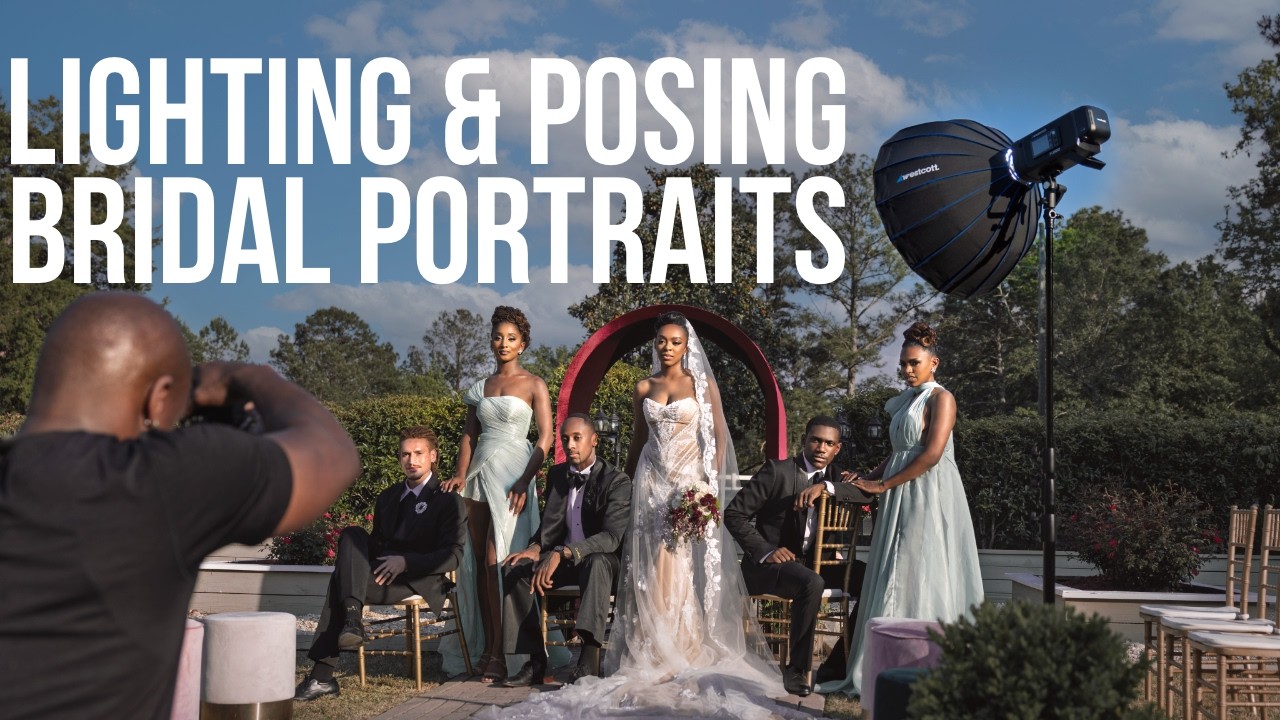
I shoot controlled environments for a living. Fashion sets, beauty campaigns, corporate headshots where every light has a piece of masking tape on the barn door with its exact purpose written in marker. So when I need to think about uncontrolled environments, I actively go looking for photographers who’ve made chaos their workflow. That’s why I keep coming back to wedding photographers. They solve hard lighting problems fast, with real people who don’t take direction like models, in locations that don’t cooperate.

The Five Core Posing Principles That Actually Work

The Five Core Posing Principles That Actually Work

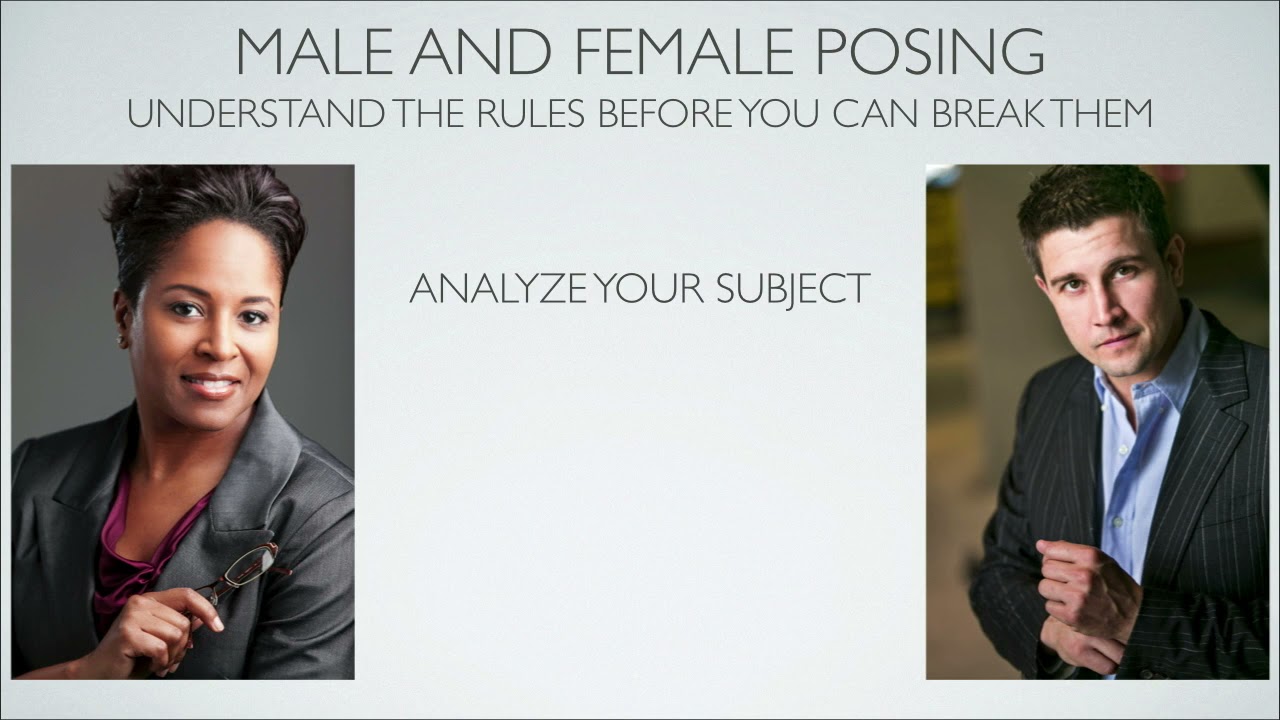
I’m going to be direct: most posing advice is vague garbage. “Make them look natural.” “Find their best angle.” These statements mean nothing in a working studio. After twenty years behind the camera, I’ve isolated five core principles that translate into consistent, flattering results. Follow them like a recipe, and your keeper rate climbs immediately. Principle 1: The Shoulder Angle Is Everything Your subject’s shoulders should never face the camera directly.