What the Hasselblad Masters 2026 Finalists Teach Us About Lighting and Composition

What the Hasselblad Masters 2026 Finalists Teach Us About Lighting and Composition

The Finalists Are Here—And They’re Teaching Us Something Important I’ve spent the last few days digging through the 70 finalists announced for the Hasselblad Masters 2026 competition, and I have to say: the work speaks volumes about where professional photography stands right now. This isn’t just another gear announcement—it’s a masterclass in how the world’s most disciplined photographers approach their craft. What strikes me immediately is how these finalists handle light.

The Five Portrait Lighting Patterns Every Studio Photographer Must Master

The Five Portrait Lighting Patterns Every Studio Photographer Must Master

The Five Portrait Lighting Patterns Every Studio Photographer Must Master I’ve spent the last fifteen years refining my approach to portrait lighting, and I can tell you with absolute certainty: mastering five core patterns will solve 90% of your lighting challenges. These aren’t creative flourishes or trends. They’re time-tested frameworks that work because they follow the same principles that have guided portrait photographers since the days of studio flash. Let me walk you through each one.

Low Key Lighting: The Discipline That Separates Professionals From Amateurs

Low Key Lighting: The Discipline That Separates Professionals From Amateurs

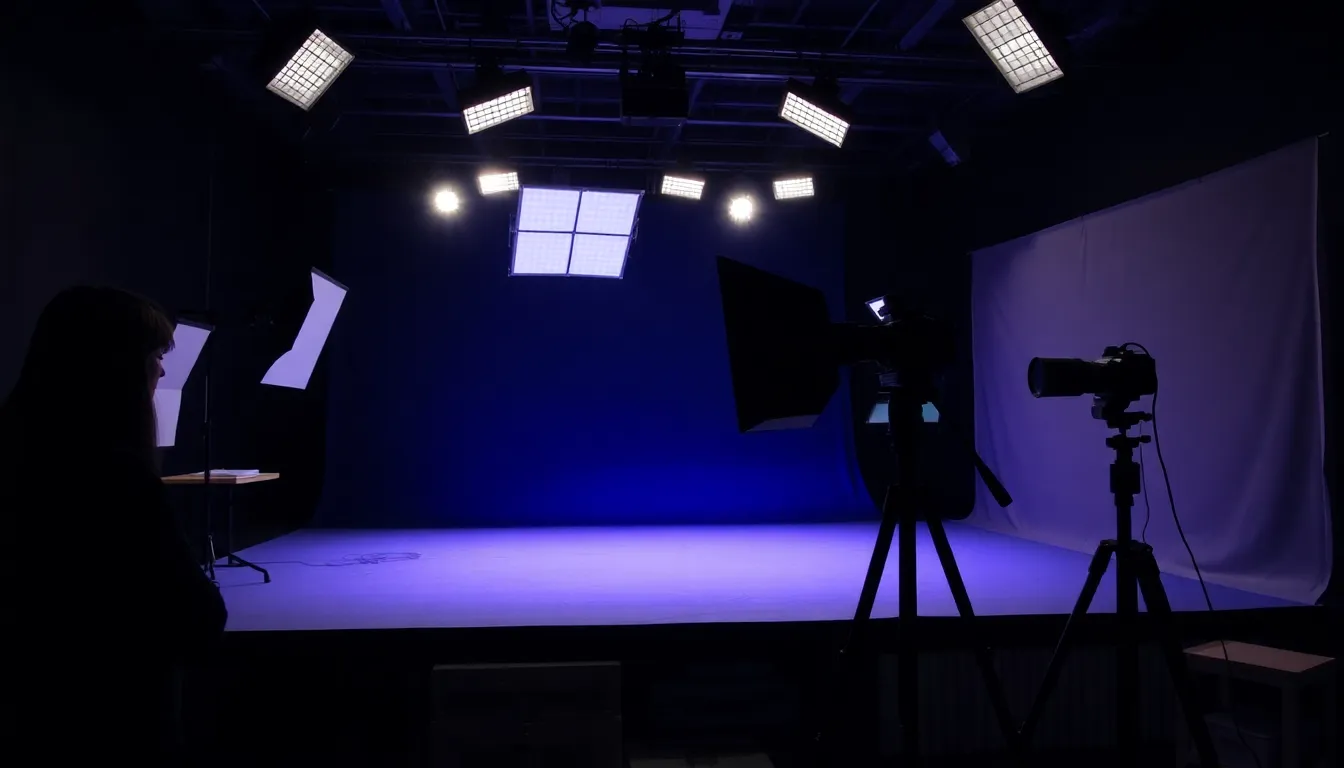
Low Key Lighting: The Discipline That Separates Professionals From Amateurs Low key lighting isn’t a trend or an aesthetic preference—it’s a deliberate technical choice that demands precision, restraint, and a clear understanding of contrast ratios. After twenty years of working in studios and on location, I’ve found that photographers who master low key lighting develop a fundamental control over their craft that serves every other technique they’ll ever learn. What Low Key Actually Means Let’s be direct: low key doesn’t simply mean “dark.