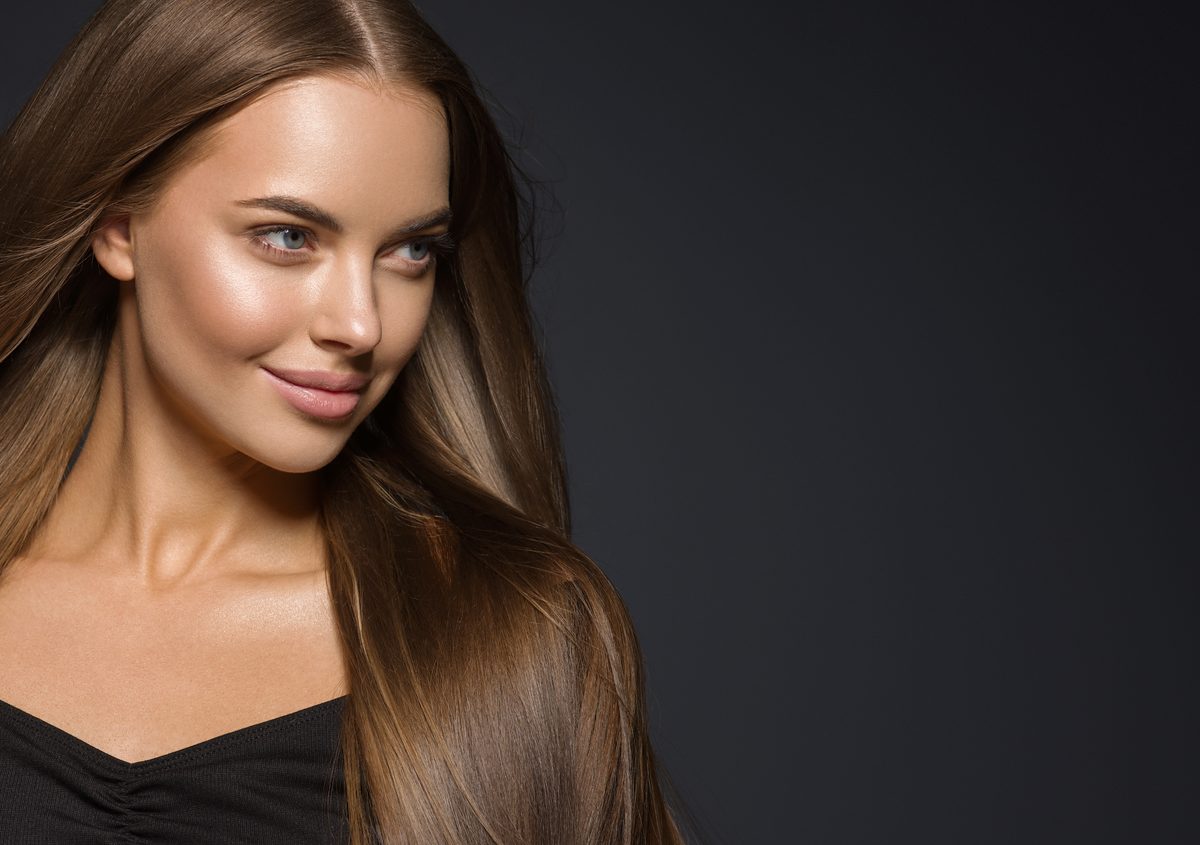
Three-Light Portrait Setup: The Professional Standard

Three-Light Portrait Setup: The Professional Standard

The three-light setup is the backbone of professional portrait and headshot photography. It consists of a key light, a fill light, and a separation light. Each serves a specific purpose, and understanding how they interact gives you precise control over the final image. The Three Roles Key light. The primary light source that defines the shape and character of the illumination on the subject’s face. It determines the lighting pattern (Rembrandt, loop, butterfly, etc.
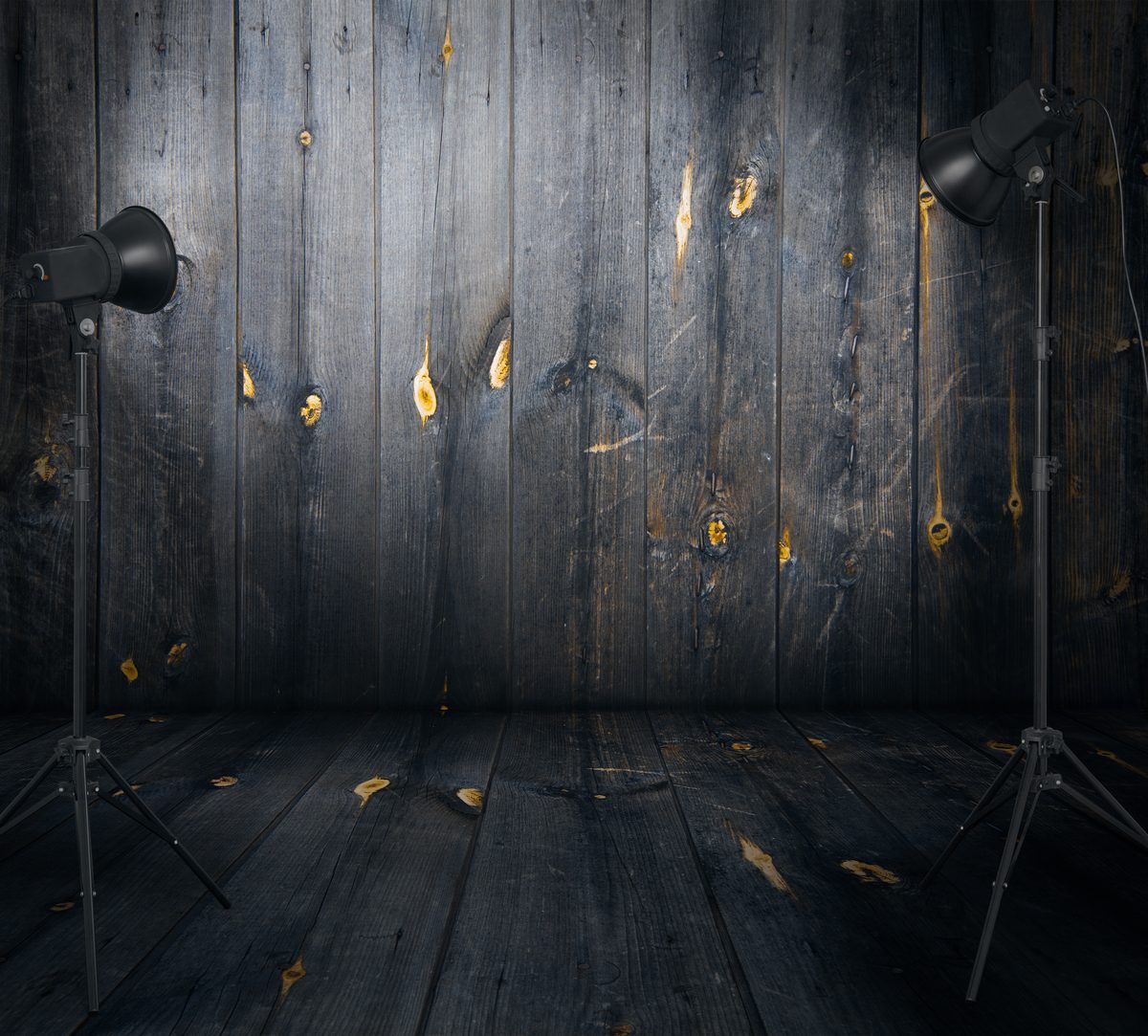
One Light Setup: Everything You Can Do with a Single Strobe

One Light Setup: Everything You Can Do with a Single Strobe

The most common misconception in studio photography is that you need multiple lights to produce professional results. You do not. A single strobe, paired with the right modifier and placement, can produce an enormous range of looks. Mastering one light is the foundation upon which every multi-light setup builds. The Core Variables With one light, you control the image through four variables: Light position (angle and height relative to the subject) Modifier type (what shapes and softens the light) Distance from subject (controls both softness and falloff) Power setting (determines exposure and ratio to ambient light) Every single-light portrait is a combination of these four choices.

Building a Home Studio on a Budget

Building a Home Studio on a Budget

You do not need a commercial lease to produce professional portrait work. A spare room, a section of a garage, or even a cleared-out living room can function as a working studio. The key is understanding what actually matters and where you can save money without sacrificing quality. Space Requirements The minimum usable space for headshots and upper-body portraits is roughly 8 feet wide by 10 feet deep with an 8-foot ceiling.