The Five Core Posing Principles That Actually Work

The Five Core Posing Principles That Actually Work

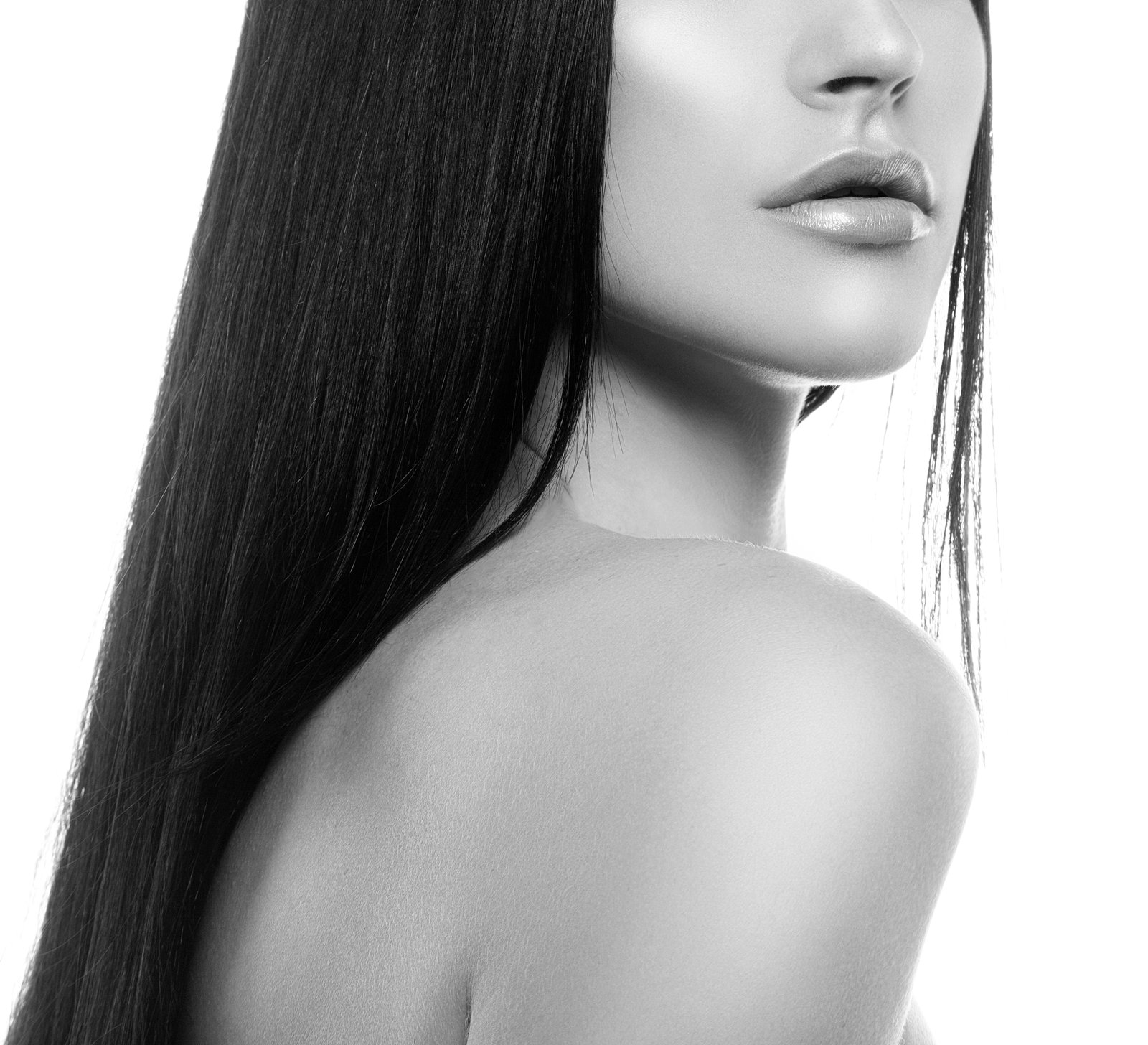
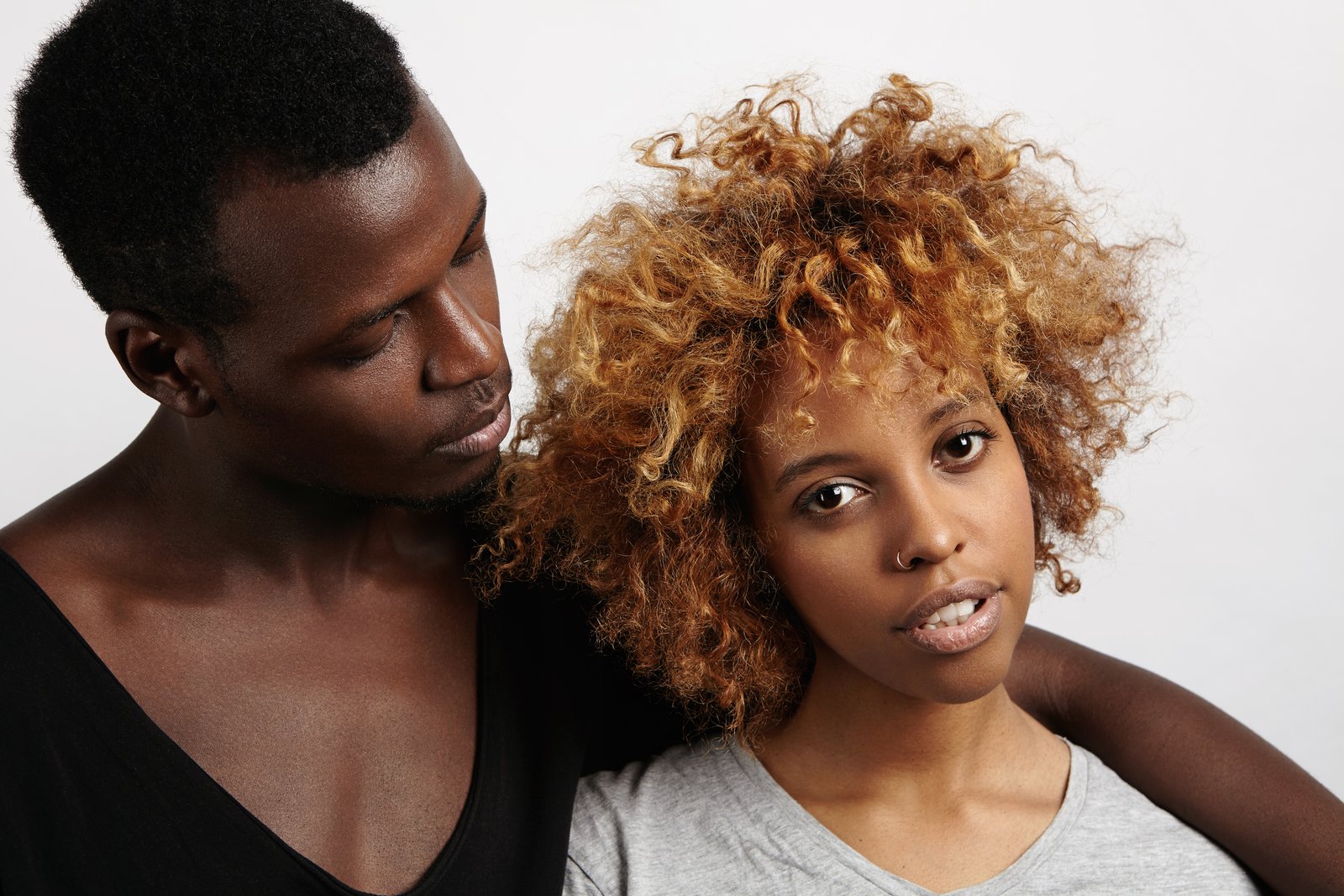
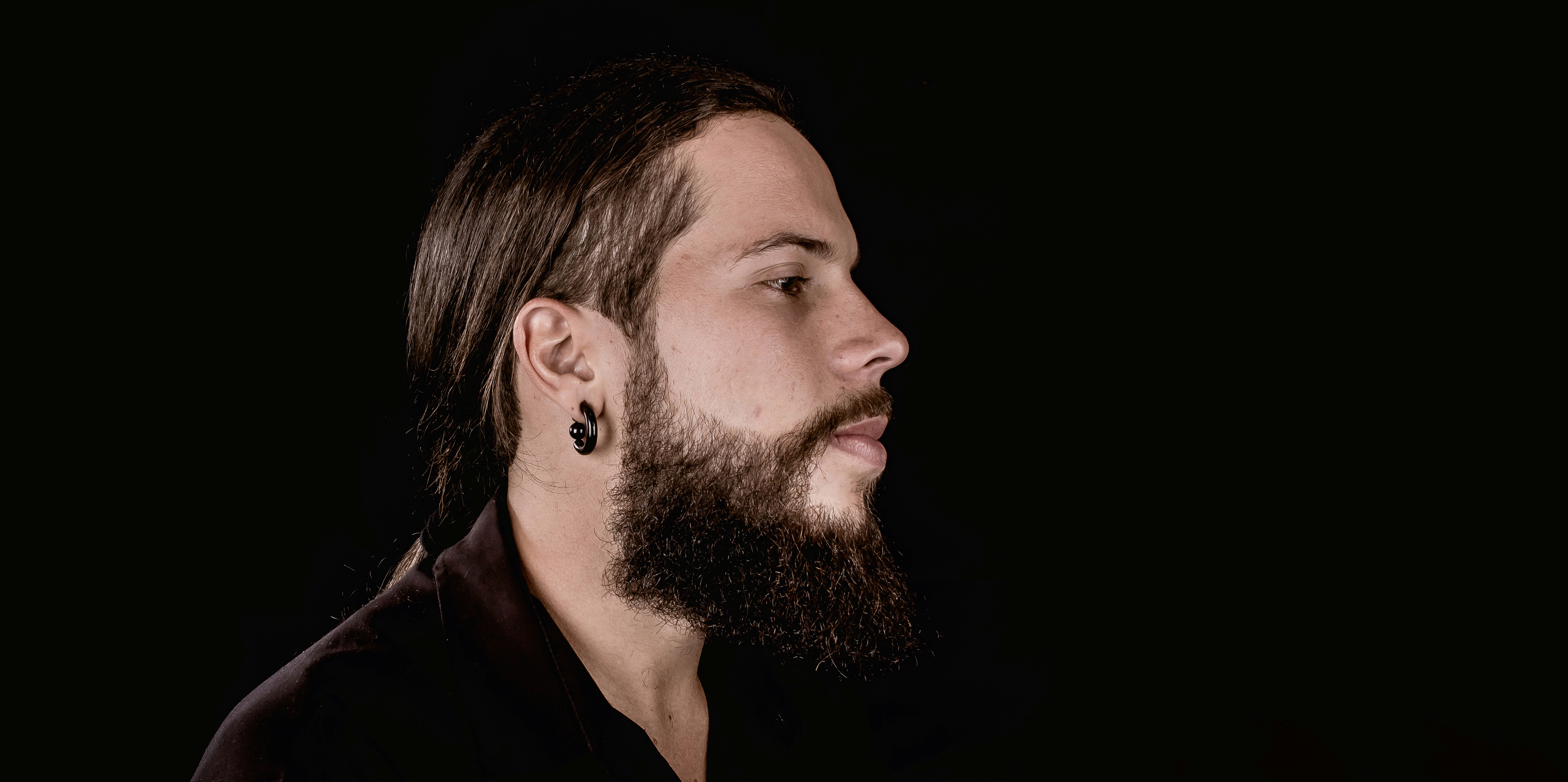
I’m going to be direct: most posing advice is vague garbage. “Make them look natural.” “Find their best angle.” These statements mean nothing in a working studio. After twenty years behind the camera, I’ve isolated five core principles that translate into consistent, flattering results. Follow them like a recipe, and your keeper rate climbs immediately. Principle 1: The Shoulder Angle Is Everything Your subject’s shoulders should never face the camera directly.

The Architecture of Posing: Building Flattering Shapes with Intention

The Architecture of Posing: Building Flattering Shapes with Intention

The Architecture of Posing: Building Flattering Shapes with Intention I’ve watched too many talented photographers waste exceptional lighting setups on mediocre poses. A $5,000 ring light won’t save a subject standing flat-on to the camera with their arms at their sides. Posing isn’t an afterthought—it’s the skeleton upon which your lighting and composition hang. I approach every pose like I’m building a geometric structure. Each angle, each line, each negative space serves a purpose.

The Geometry of Posing: Why Body Angles Matter More Than You Think

The Geometry of Posing: Why Body Angles Matter More Than You Think

The Geometry of Posing: Why Body Angles Matter More Than You Think I’ve spent two decades correcting the same posing mistake: photographers treating the human body like a statue to be positioned, rather than a system of angles to be orchestrated. Posing isn’t about making people look comfortable—it’s about understanding how light interacts with planes, how space relates to proportion, and how subtle rotations create visual interest. Let me be direct: if your subject is squared directly to the camera, you’re wasting the three-dimensional space in front of your lens.

The Five Posing Fundamentals That Actually Work

The Five Posing Fundamentals That Actually Work

The Five Posing Fundamentals That Actually Work I’ve watched photographers spend thousands on lights, modifiers, and reflectors—then squander it all by positioning their subject like a department store mannequin. Posing isn’t art; it’s applied geometry. Get the angles right, and lighting does half the work for you. After fifteen years in studio work, I’ve distilled posing down to five non-negotiable principles. Follow these, and you’ll see immediate improvement. Ignore them, and no amount of gear will save you.

The Architecture of Posing: How to Position Your Subject for Maximum Impact

The Architecture of Posing: How to Position Your Subject for Maximum Impact

The Architecture of Posing: How to Position Your Subject for Maximum Impact I’ve spent twenty years behind the camera, and I can tell you this with absolute certainty: your lighting setup is only half the equation. A perfectly sculpted three-point light setup means nothing if your subject is standing like a mannequin with their shoulders squared to the camera. Posing isn’t art—it’s architecture. It’s the deliberate placement of lines, angles, and negative space.

The Architecture of Posing: Building Frames That Work With Light, Not Against It

The Architecture of Posing: Building Frames That Work With Light, Not Against It

The Architecture of Posing: Building Frames That Work With Light, Not Against It I’ve watched photographers spend thousands on premium lighting equipment, only to waste it with lazy posing. A $300 umbrella can’t save a subject photographed straight-on with slouched shoulders. Conversely, I’ve seen exceptional images created with modest gear because the pose itself was architecturally sound. The relationship between posing and lighting isn’t coincidental—it’s mechanical. Get this right, and everything else becomes easier.

Posing Guide: Hands and Arms in Portrait Photography

Posing Guide: Hands and Arms in Portrait Photography

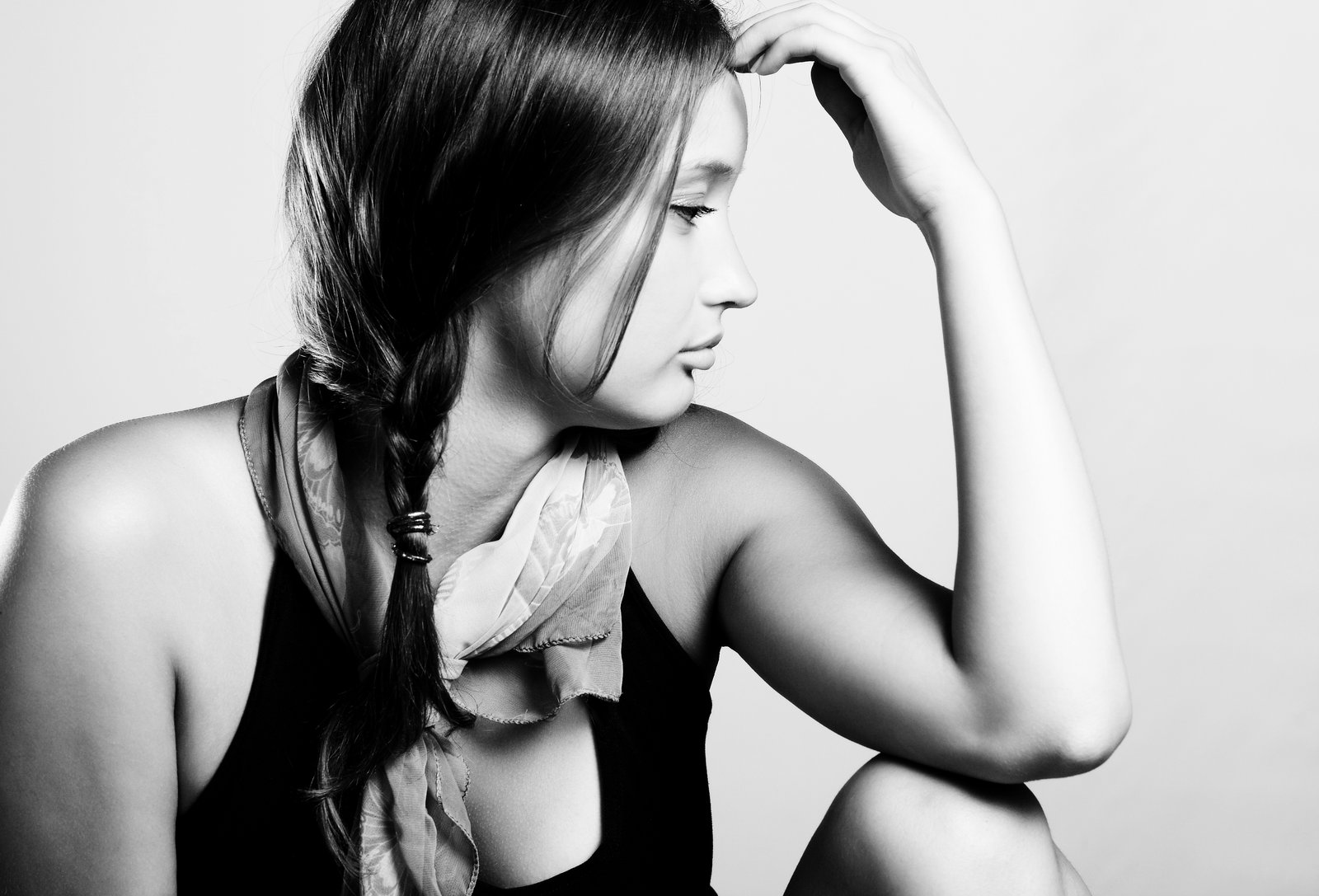
Hands are the most frequently problematic element in portrait photography. They either look stiff, disappear awkwardly, or dominate the frame. The good news is that a few clear principles solve the majority of hand and arm posing problems. The Core Principle: Give Hands Something to Do Hands look worst when they hang lifelessly at someone’s sides. The moment you give them a purpose, touching a surface, holding an object, resting on a body, they look natural.

Directing Non-Models: Getting Natural Expressions

Directing Non-Models: Getting Natural Expressions

Professional models know how to find the light, adjust their angles, and produce expressions on command. The rest of the population does not. Most portrait subjects are ordinary people who feel awkward in front of a camera. Your job is to create conditions where genuine expressions happen naturally, rather than asking for them directly. The Problem with “Smile” Telling someone to smile produces a specific result: a tightened mouth with inactive eyes.