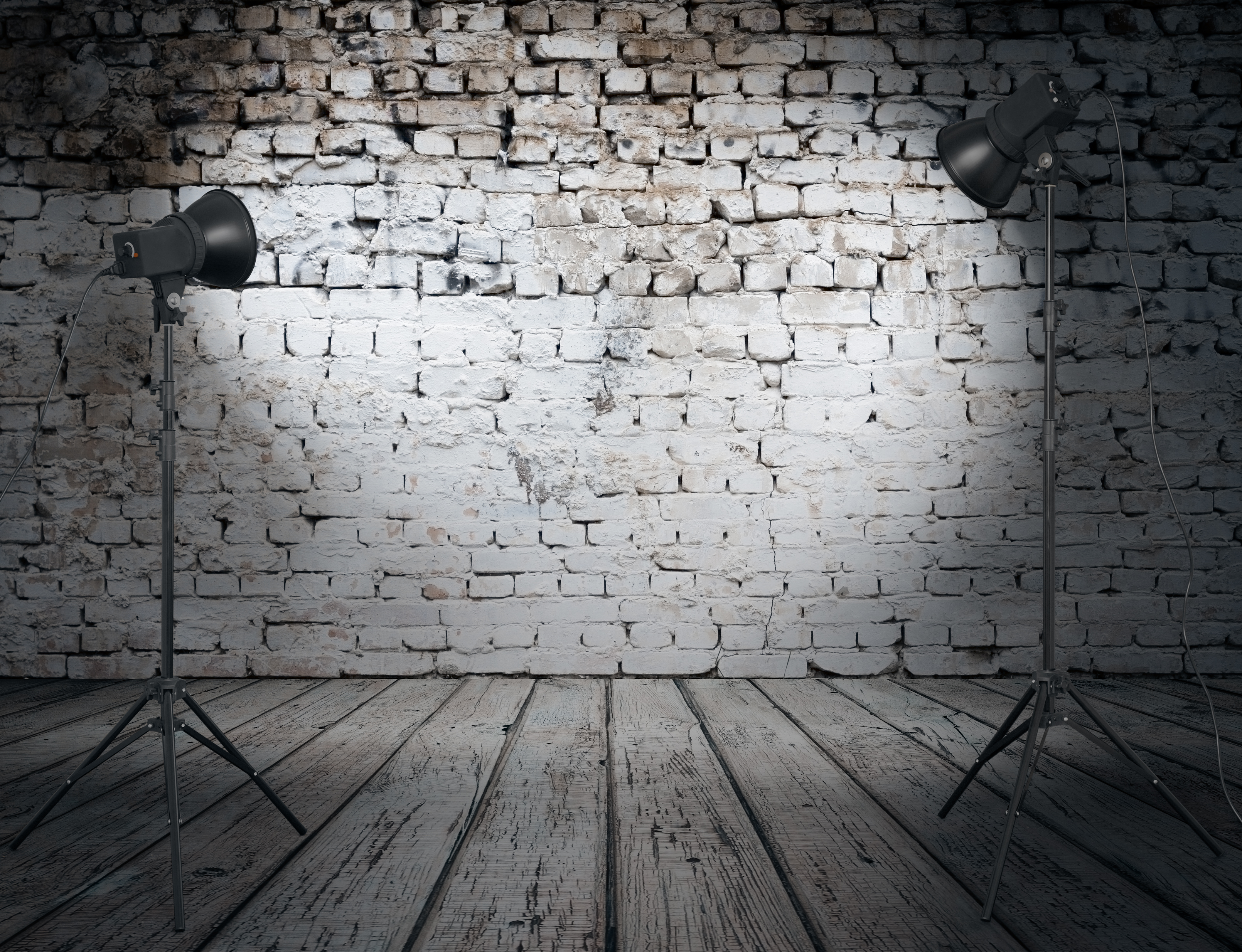
Flash Photography: The Recipe for Consistent, Controllable Light
I’ve spent twenty years in studios, and I’ll say it plainly: photographers who master flash are photographers who control their output. Natural light is beautiful but unreliable. Flash is your ingredient list—measure it correctly, and you get repeatable results every single time.
Why Flash Matters (Beyond Just Brightness)
Flash isn’t about filling a dark room. It’s about precision. When you dial in your flash power, you’re setting an exact amount of light. A 200Ws strobe at full power hitting a subject eight feet away will produce identical exposure whether it’s noon or midnight. Sunlight changes minute to minute.
This predictability is why I shoot flash in the studio even when windows exist. I want my lighting to behave like a recipe, not a variable.
The Basic Flash Recipe
Here’s how I approach any flash setup:
Start with ambient light at -1 to -2 stops. Meter your scene without flash. If you’re at 1/125s at f/5.6, dial your shutter to 1/250s or 1/500s. This underexposure becomes your baseline. Now flash is the dominant light source, not a supplement.
Set your flash to match your aperture intent. I typically work at f/5.6 or f/8 in studio. At 8 feet with a 36-inch octabox, my main flash sits around 50% power—that’s your starting point. Adjust in quarter-stop increments from there. Half-stop changes are too small to notice; full-stop changes are too dramatic.
Position your key light at 45 degrees, slightly above eye level. This is non-negotiable. It creates dimension and doesn’t flatten features. Your fill light—if you use one—should be 2-3 stops dimmer. I use a second strobe at 25% power positioned opposite the key light, or a reflector.
Sync Speed and Frame Rate Matter
Your camera has a maximum sync speed—typically 1/200s on entry DSLRs, 1/250s on better bodies. Shoot above this speed and you’ll get a black bar across your frame. I use 1/200s as my floor. This limits my ambient underexposure, but that’s intentional: I want flash dominating.
If you need faster shutter speeds (shooting outdoors with flash), you need high-speed sync capability. This drains battery faster and limits your effective flash distance. Avoid it in studio unless necessary.
Metering: Manual or TTL?
I shoot manual flash exclusively. TTL (through-the-lens metering) is unreliable—it changes based on subject reflectivity, background, and the algorithm mood that day. Manual is slower to set initially but infinitely more consistent.
Shoot in manual mode on your camera. Use a light meter to read flash output, or dial in power by test shots. After the first setup—maybe five frames—every subsequent frame is perfectly exposed. That’s the precision I demand.
Modifier Selection Shapes Your Light
A bare strobe is harsh and unflattering. An octabox produces soft, pleasing light with acceptable falloff. A beauty dish gives you control and dimension. A softbox is versatile but spreads light inefficiently.
I own three modifiers: a 36-inch octabox (daily driver), a 22-inch beauty dish (portraits), and a 7-inch reflector (accent/hair light). These cover 95% of my work. More gear doesn’t mean better work.
The Posing Advantage Flash Gives You
Consistent flash lets you coach poses without chasing light. You’re not saying “turn toward the window.” You’re saying “lift your chin one inch” while knowing exactly how that affects your image. Your subject feels the difference—fewer directions about positioning, more confidence in the final product.
Position your subject relative to your light placement, not relative to the sun.
Final Thought
Flash isn’t complicated if you treat it methodically. Set your exposure like you’re following a recipe. Measure twice, adjust once. Your lighting becomes an asset you control completely—and that’s when photography stops being luck and starts being craft.
Comments (9)
The before and after really sells it. Incredible difference.
Love how you break down complex stuff into manageable steps.
Quality content like this is rare. Keep it up.
Bookmarked. Coming back to this one for sure.
The before and after really sells it. Incredible difference.
This is going in my reference folder. Incredibly useful.
Printing this out and pinning it next to my monitor. That good.
This is exactly what I needed today. Been struggling with this for weeks.
Really solid breakdown. This pairs perfectly with the business work I've been writing about.
Leave a Comment