Why Lighting Ratios Are the First Thing I Check When a Studio Shot Isn't Working

Why Lighting Ratios Are the First Thing I Check When a Studio Shot Isn't Working

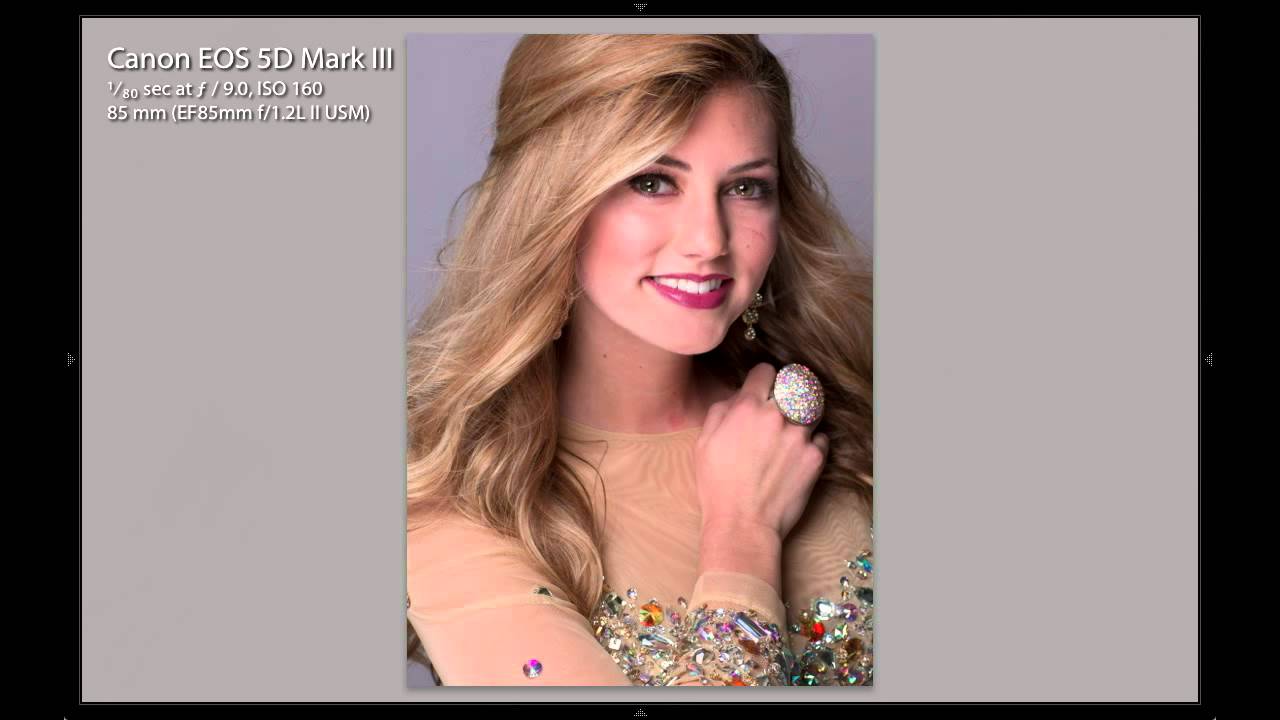
A few months back I was mid-way through a beauty editorial, two hours in, and something was off. The skin tones looked flat on one side and blown out on the other, and I kept adjusting my key light position when the real problem was simpler and more embarrassing. My ratio was wrong. I had not set a deliberate relationship between my key and fill before the first frame. I was chasing a symptom instead of diagnosing the cause.

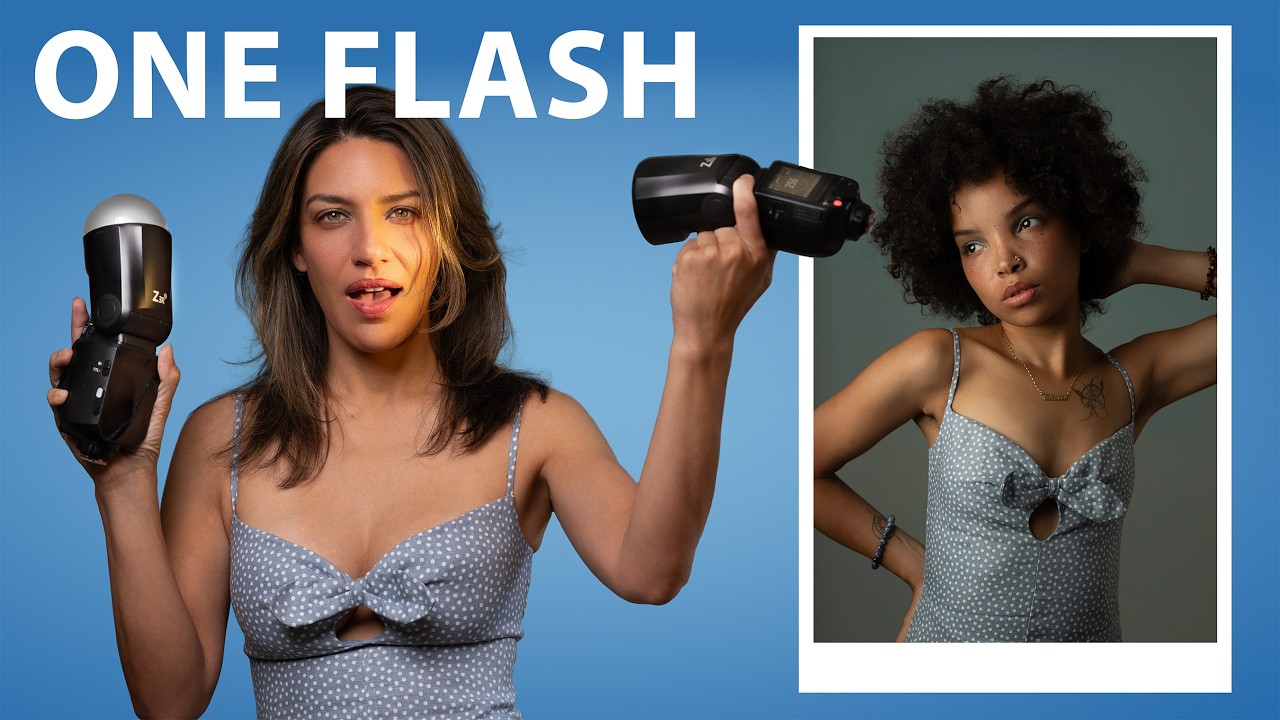
One Light, Done Right: How a Single Strobe Can Outperform a Five-Light Setup

One Light, Done Right: How a Single Strobe Can Outperform a Five-Light Setup

The Overcomplicated Studio Is Usually a Confidence Problem Early in my career I watched a photographer I deeply respected spend forty-five minutes adjusting a six-light setup for a headshot. He kept adding lights to fix problems the previous lights had created. A rim light to separate the subject from the background. A hair light to compensate for the rim light killing the shadow detail. A kicker on the opposite side because now the image felt unbalanced.

Two Paths to Better Flash: Neewer's Latest Studio and Location Solutions Compared

Two Paths to Better Flash: Neewer's Latest Studio and Location Solutions Compared

A Tale of Two Flash Philosophies I’ve spent enough time in both studio environments and on location shoots to know that one flash rarely serves all purposes well. Neewer seems to understand this fundamental truth, which is why their latest releases—the Q120 and Z3R—represent distinctly different answers to the question of what modern photographers actually need. The real question isn’t which flash is better. It’s which one solves your problems.

Why Your Flash Photos Look Flat (And the Exposure Triangle Isn't the Problem)

Why Your Flash Photos Look Flat (And the Exposure Triangle Isn't the Problem)

The Shot That Taught Me to Stop Guessing Early in my career, I booked a beauty editorial for a regional magazine. I’d been shooting ambient and speedlight work for years, and this was my first real studio strobe job. I had the gear, I had the location, and I had absolutely no system. I dialed in what looked right on the back of the camera, shot 400 frames, and delivered the files.

One Desk Lamp, One Subject, Zero Excuses: What Project 3 Taught Me About Lighting Control

One Desk Lamp, One Subject, Zero Excuses: What Project 3 Taught Me About Lighting Control

I’ve been shooting commercial and editorial work long enough to know that the worst thing you can bring onto a set is too much gear and not enough understanding. Last month I was prepping a beauty campaign, nothing complicated on paper, one subject, neutral background, clean skin. I pulled out three lights before I caught myself. I was stacking modifiers to solve a problem I hadn’t even diagnosed yet. I put two of them back and started from scratch with one source.

How Apple Crumble's Creepy-Cute Aesthetic Teaches Us About Mood Lighting in Narrative Games

How Apple Crumble's Creepy-Cute Aesthetic Teaches Us About Mood Lighting in Narrative Games

A Studio Lesson Hiding in Plain Sight I stumbled onto something fascinating while researching upcoming indie games: Happy Broccoli’s new mystery adventure, Apple Crumble, demonstrates lighting principles that every studio photographer should understand. The team has crafted what they’re calling a “creepy-cute” experience—and the visual language they’re using is pure lighting mastery. The Balance Between Warmth and Unease What caught my attention immediately is how the game’s aesthetic mirrors the fundamental challenge we face in portrait studios: balancing comfort with intrigue.

Rim Lighting Done Right: The Setup That Separates Flat Studio Shots from Images That Actually Sell

Rim Lighting Done Right: The Setup That Separates Flat Studio Shots from Images That Actually Sell

I pulled a tear-out from a magazine once, a full-page beauty editorial, and spent about forty minutes staring at the catchlights and shadow edges trying to reverse-engineer the setup. Two rim lights, one key, a reflector below the chin. I sketched it in my lighting journal, taped it to the wall, and built it. The first test frame looked almost identical to the tear-out. That was the day I understood that rim lighting is not a creative accident.

Why Your Group Shots Look Wrong — And the Physics That Fixes Them

Why Your Group Shots Look Wrong — And the Physics That Fixes Them

I had a corporate client last spring — twelve people, a small conference room, a two-hour window. I walked in with a 35mm and a single large softbox because I thought I could work fast. The images came back technically exposed, technically sharp, and completely wrong. The front-row faces looked wider than the back row faces. The edges of the frame looked like a funhouse mirror. The lighting dropped off so hard by the third row that I was fighting it in post for an hour.

One Light Is Enough: How a Single Strobe Teaches You Everything You've Been Ignoring

One Light Is Enough: How a Single Strobe Teaches You Everything You've Been Ignoring

The Most Expensive Mistake I See in Studios Every time a photographer tells me they need a third or fourth light to fix a problem, I make them turn off everything except one strobe. Not as a punishment. As a diagnosis. Most lighting problems are not problems of quantity. They are problems of understanding. When you pile on fill lights, hair lights, and background lights before you understand what your key light is actually doing, you are decorating a problem rather than solving it.

One Light, Maximum Drama: What Joel Grimes' Umbrella Setup Taught Me About Stripping Back

One Light, Maximum Drama: What Joel Grimes' Umbrella Setup Taught Me About Stripping Back

I’ve been shooting commercial portraits in Los Angeles for long enough that I sometimes overcomplicate things. Last month I was prepping a leather goods campaign and caught myself stacking a three-light rig before I’d even tested a single modifier. The client wanted gritty and cinematic. I was building something that looked closer to a beauty editorial. It took me pulling back to one source to find the mood they were after, and it reminded me why I keep returning to simple, deliberate setups when the pressure is on.

Beyond Tungsten and Daylight: How Creative Gels Can Become Your Most Precise Lighting Tool

Beyond Tungsten and Daylight: How Creative Gels Can Become Your Most Precise Lighting Tool

I keep a lighting journal. Every setup from every shoot gets a sketch, a note about the modifiers, the power settings, the distance from subject to light. I started it about eight years ago after a bad editorial job where my key light was running warm and I didn’t catch it until the client called. That kind of mistake teaches you to be methodical about everything, including color. Gels are where a lot of photographers stop being methodical.

One Light, Done Right: How a Single Strobe Can Outwork a Five-Head Setup

One Light, Done Right: How a Single Strobe Can Outwork a Five-Head Setup

I used to own eleven lights. I counted them once while reorganizing my studio on a slow Tuesday, and the number genuinely embarrassed me. Not because eleven is too many, but because I could trace the purchase of at least four of them to insecurity. Some shoot went sideways, and my instinct was to buy another head, another fill, another hair light, as if more gear would paper over whatever I didn’t understand yet.