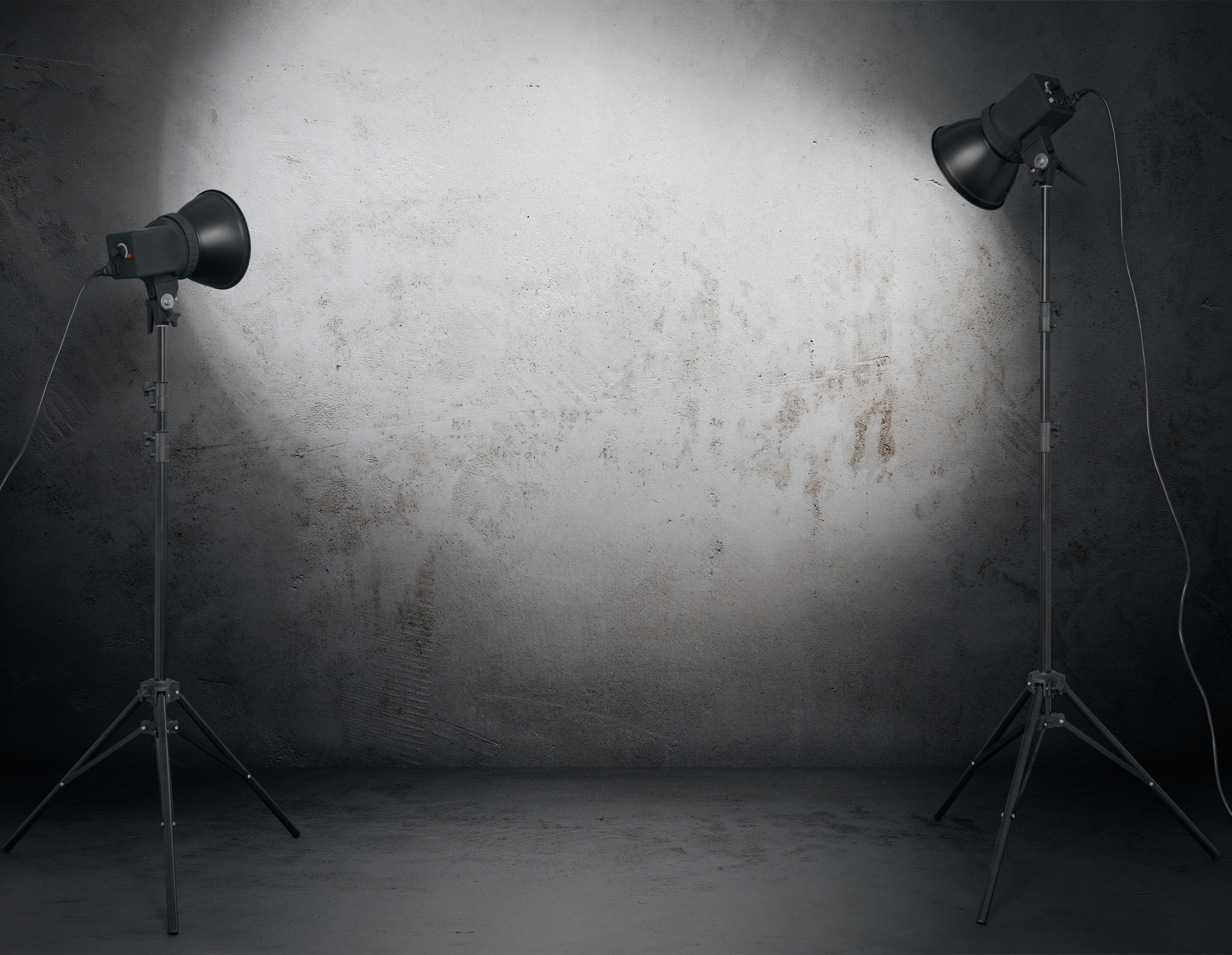
What Rim Lighting Actually Does
Rim lighting isn’t decorative. It’s functional. I use it to carve subjects away from backgrounds—to create dimensionality that flat, frontal lighting simply cannot achieve. When executed correctly, a rim light creates a luminous edge that defines the subject’s outline and adds perceived depth to the image. This is especially critical in portrait and product photography where separation is everything.
The technique involves placing a light source behind and to the side of your subject, angled so it catches the edge of their form without spilling light directly into the lens. This requires precision. Sloppy positioning creates lens flare or unevenly illuminated edges. Done right, it’s invisible as a technique—viewers just see a professional image.
My Standard Setup
I position my rim light at approximately 45 degrees behind the subject, elevated 15–30 degrees above eye level (for portraits) or the product’s highest point. This angle prevents the light from entering the lens while maximizing edge definition.
Distance matters. For a standard 5x5-foot portrait setup, I place my rim light 4–6 feet away. Closer and it becomes too intense; farther and it dissipates. I always use a light stand with a boom arm for precise positioning. No handheld approximations.
Power output depends on your key light ratio. If your main light is at f/5.6, I typically set the rim light 1–2 stops dimmer (around f/2.8–f/4 on a light meter). This creates definition without overwhelming the overall exposure. In product photography, I’m often more aggressive—sometimes matching the key light intensity to create a glowing halo effect.
Gear Specificity
Use a focused light source. I prefer a 5-inch reflector or a small softbox (12x16 inches). Broad diffusion scatters light unpredictably and reduces edge definition. A parabolic reflector gives you the tightest control. Cheap umbrella-style reflectors create uneven throw—avoid them for rim work.
Modifiers matter too. Add a grid or barn doors if your light spills onto the background or camera. A 40-degree grid is my go-to for portraits; it concentrates the beam without creating harsh shadows.
Positioning for Different Subjects
For portraits: Position the light directly behind the subject’s head, slightly off-center. This outlines the hair and shoulder edge. Watch for light spilling across the cheek—reposition if it does.
For product photography: Place it at the product’s back edge, angled to catch reflection and form. Test angles before committing; small adjustments create dramatically different results.
For full-body shots: Use two rim lights—one high (for hair and shoulders), one lower (for the body’s side profile). They should never cross in intensity; the upper light should dominate.
Metering and Testing
I always meter the rim light’s output separately using a handheld light meter in incident mode. Place the meter at the subject’s position, pointed back toward the rim light. This removes guesswork.
Take test shots, zoom in on the edges, and examine the definition. Edges should be bright but not blown out. There should be subtle graduation from highlight to midtone.
Common Mistakes
Don’t use rim lighting as a band-aid for poor key lighting. A great rim light can’t fix a subject lit from directly in front. Start with solid directional key light, then add rim as the final layer.
Don’t position rim lights too low. You’ll get unflattering side-face illumination. Too high creates top-of-head highlighting that looks like accident rather than intent.
Rim lighting is the mark of controlled, purposeful photography. Master the positioning and metering, and viewers will feel the professionalism immediately—even if they can’t articulate why the image reads as more sophisticated than it would without it.
Comments (7)
Quality content like this is rare. Keep it up.
This saved me so much time on my last edit. Wish I'd found this sooner.
Couldn't agree more. I've seen this make a huge difference in photography work specifically.
My workflow just got 10x faster. Not even kidding.
Wow, I had no idea you could do this. Mind blown.
I've watched a dozen tutorials on this and yours is the clearest by far.
Just subscribed. If the rest of your content is this good, I'm in.
Leave a Comment