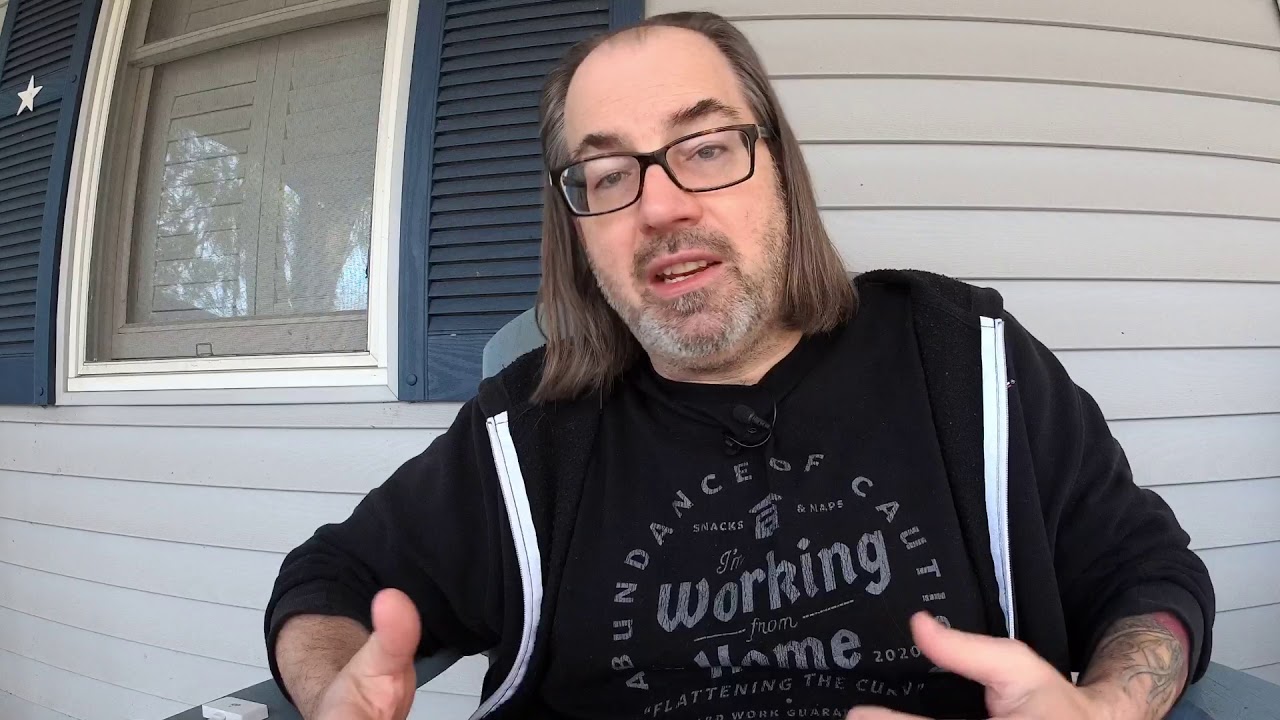
Every photographer I know has had the same conversation with themselves at least once: do I actually need my own studio, or am I romanticizing it? I spent two years renting by the day before I finally committed to a permanent space in Los Angeles, and even then I second-guessed the decision for months. The real question isn’t whether you want a studio. It’s whether the structure of your work actually demands one, and if so, which model fits that structure.
That’s exactly the territory covered in this Daniel Norton Photographer tutorial on sharing a photo studio. Watch the full tutorial on YouTube before or after reading this breakdown. Norton has worked through both models in practice, and his thinking maps cleanly onto decisions most working photographers will face eventually. What follows is my expansion on his framework, with some specifics added from my own experience running a commercial studio.
The core question Norton sets up is simple: if you’ve already decided you need a dedicated space, do you go it alone or share? Both paths are legitimate. But they suit different kinds of photographers, and confusing which type you are leads to expensive mistakes.
Step 1: Recognize Which Category of Photographer You Are
 Diagram or spoken explanation of commercial vs. retail photographer types
Norton draws a clean line between two working modes. The first is the commercial photographer, who shoots for brands, agencies, and editorial clients. The second is what he calls the “retail photographer,” meaning someone who sells directly to the public: portrait studios, family sessions, senior photos, newborn work. Neither label is a judgment. They’re operational descriptions, and they point toward different studio needs.
Diagram or spoken explanation of commercial vs. retail photographer types
Norton draws a clean line between two working modes. The first is the commercial photographer, who shoots for brands, agencies, and editorial clients. The second is what he calls the “retail photographer,” meaning someone who sells directly to the public: portrait studios, family sessions, senior photos, newborn work. Neither label is a judgment. They’re operational descriptions, and they point toward different studio needs.
If you shoot commercial work, your clients are usually scheduled in advance, your turnaround is project-based, and your studio can sit empty between jobs without costing you clients. If you’re retail-facing, your studio is part of the product you’re selling. Clients judge the space. They expect consistency, atmosphere, and a recognizable brand environment. Knowing which side of that line you’re on determines almost every decision that follows.
Step 2: Evaluate the Case for a Private Studio
 Discussion of leaving a lighting setup or background permanently configured
The clearest argument for having your own space is permanence of setup. If you have a recurring client, say a watch brand that sends product in every few weeks, you can leave that tabletop sweep and strobe configuration exactly as it was. No rebuild time, no recalibration, no risk of drift. I keep masking tape labels on every light in my studio for exactly this reason: when I dial something in, I want to return to it without thinking.
Discussion of leaving a lighting setup or background permanently configured
The clearest argument for having your own space is permanence of setup. If you have a recurring client, say a watch brand that sends product in every few weeks, you can leave that tabletop sweep and strobe configuration exactly as it was. No rebuild time, no recalibration, no risk of drift. I keep masking tape labels on every light in my studio for exactly this reason: when I dial something in, I want to return to it without thinking.
The same logic applies to portrait photographers who shoot the same style repeatedly. A backdrop, a key light, a reflector positioned just so, it can all stay in place between sessions. That’s not laziness. That’s efficiency, and efficiency is margin. For the retail photographer in particular, Norton notes that your space needs to carry your visual identity. Your prints on the walls, your color palette, your props. A private studio lets you build that environment once and maintain it, instead of hauling it in and out every shoot day.
Step 3: Understand What You Give Up with a Private Studio
 Norton speaking about the overhead and commitment of a solo space
A private studio is a fixed cost regardless of how many shoot days you fill. Rent, utilities, insurance, equipment storage, it all runs whether your calendar is full or not. In slower months, that math gets uncomfortable fast. Norton acknowledges this directly: the private model works best when your volume justifies the overhead, and when the nature of your work makes setup permanence genuinely valuable.
Norton speaking about the overhead and commitment of a solo space
A private studio is a fixed cost regardless of how many shoot days you fill. Rent, utilities, insurance, equipment storage, it all runs whether your calendar is full or not. In slower months, that math gets uncomfortable fast. Norton acknowledges this directly: the private model works best when your volume justifies the overhead, and when the nature of your work makes setup permanence genuinely valuable.
If you’re still building a client base, or if you shoot across varied locations and only use a studio periodically, locking into a full lease is likely premature. The cost of an empty studio is not just financial. It creates pressure to fill it with work that may not be right for your business, discounting sessions, taking clients who aren’t a fit, saying yes when you should say no.
Step 4: Define What a Shared Studio or Co-Op Actually Means
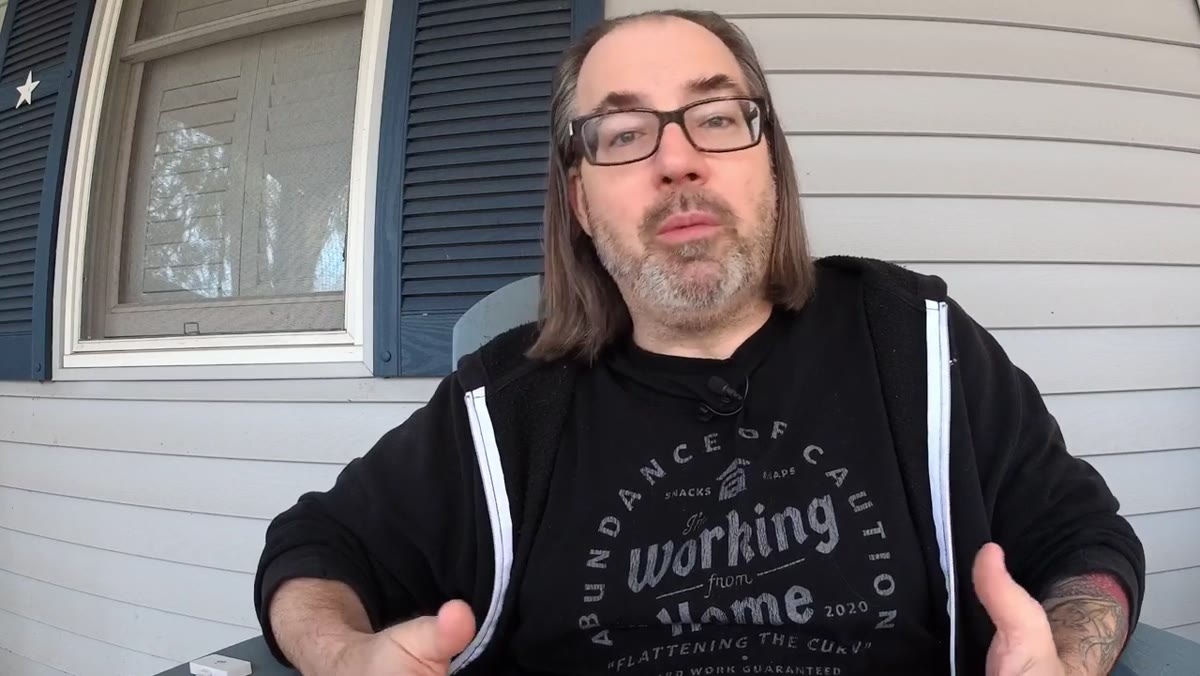 Norton distinguishing between a shared studio arrangement and a formal co-op
Norton is careful to separate two concepts that often get blurred. A shared studio is typically two or three photographers who split a space and its costs, each using it on a scheduled basis. A co-op is more formal, potentially more photographers involved, with structured booking systems and shared equipment policies.
Norton distinguishing between a shared studio arrangement and a formal co-op
Norton is careful to separate two concepts that often get blurred. A shared studio is typically two or three photographers who split a space and its costs, each using it on a scheduled basis. A co-op is more formal, potentially more photographers involved, with structured booking systems and shared equipment policies.
The practical difference matters when you’re setting expectations with potential partners. A two-person share is a partnership that requires trust and compatibility. A co-op can feel more transactional, more like renting a slot than running a joint business. Both can work, but you need to know which you’re entering so you can negotiate the right terms from the start.
Step 5: Weigh the Trade-Offs of Sharing Space
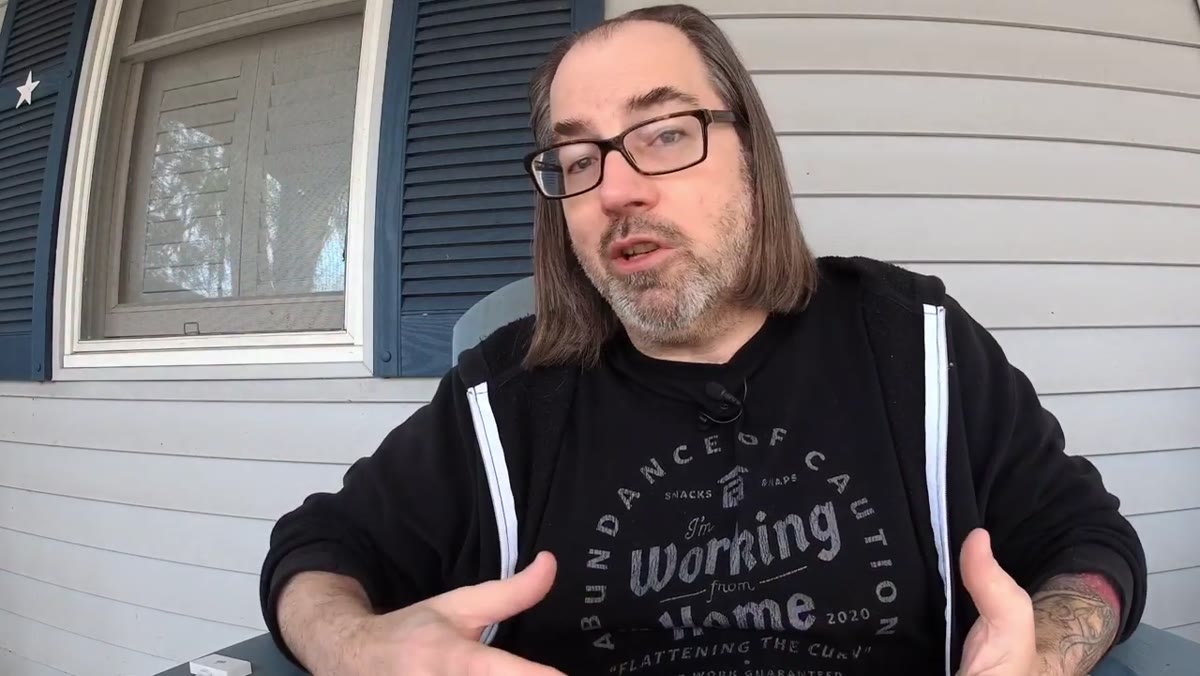 Discussion of the challenge of personalizing a shared space
The shared model lowers your fixed cost and reduces risk, especially when you’re growing. You pay for a portion of the space and use it during your allocated time. The trade-off is that you cannot own the environment the way a private studio allows.
Discussion of the challenge of personalizing a shared space
The shared model lowers your fixed cost and reduces risk, especially when you’re growing. You pay for a portion of the space and use it during your allocated time. The trade-off is that you cannot own the environment the way a private studio allows.
Norton’s example here is concrete: a photographer in his shared studio used to arrive an hour before every session to hang her own prints, light candles, and arrange props to create the intimate atmosphere her maternity and newborn clients expected. It worked, but it was labor-intensive, and once her volume grew enough to support her own lease, she made the move. The shared studio had served its purpose for that phase of her business. It was a bridge, not a destination.
Step 6: Match the Model to Your Current Business Phase
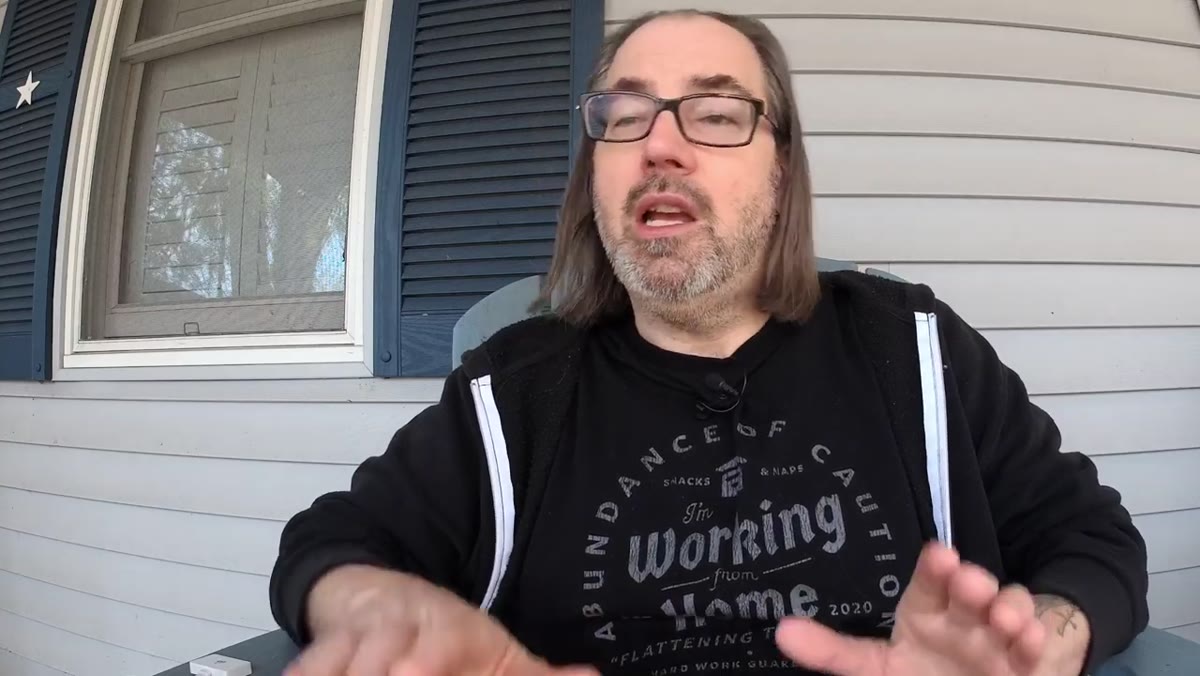 Norton framing the decision as tied to where you are in your career
This is the part most photographers skip. They ask “which is better?” when the real question is “which is better right now?” A shared studio in your first two or three years gives you a professional space to build your portfolio and client base without betting the entire overhead on a revenue level you haven’t reached yet. Once your booking rate is consistent and your clients expect a branded experience, the private studio starts to make sense.
Norton framing the decision as tied to where you are in your career
This is the part most photographers skip. They ask “which is better?” when the real question is “which is better right now?” A shared studio in your first two or three years gives you a professional space to build your portfolio and client base without betting the entire overhead on a revenue level you haven’t reached yet. Once your booking rate is consistent and your clients expect a branded experience, the private studio starts to make sense.
The mistake I see most often is jumping straight to a private space out of pride rather than necessity. The studio becomes a monument to ambition before the business can carry it. Norton’s framework suggests treating the shared model as a legitimate, possibly long-term option, not a consolation prize.
What I’d Add: The Setup Tax Is Real
I’ve run both models at different points in my career, and the thing Norton touches on but doesn’t fully quantify is what I call the setup tax. Every time you break down and rebuild a lighting configuration in a shared space, you spend time you could be shooting or billing. More importantly, you introduce variation. My current studio has a permanent beauty dish position I’ve marked on the floor with gaffer tape. I know exactly how it renders on skin. In a shared space, that kind of proprietary knowledge is harder to maintain because the physical reference points reset constantly.
If your work depends on replicable, precise lighting setups, the private studio pays for itself in consistency alone. If your work is varied enough that you’re rebuilding from scratch every shoot anyway, the shared model removes cost without removing much capability.
The single most important idea here is that your studio model should match your business phase, not your aspiration. Build the infrastructure your current revenue can support, then expand as the work demands it.
Watch the full tutorial on YouTube for Norton’s complete thinking on this, including more on the co-op structure and how the decision plays out differently depending on your market size.
Comments
Leave a Comment