Most of us in the studio world spend our energy optimizing the technical side. Which modifier, which ratio, what color temperature. I have a lighting journal with sketches from nearly every commercial shoot I’ve done, because I believe deeply that the craft deserves that kind of attention. But every so often I watch something that reminds me the craft is only half the job. The other half is the psychological and strategic work of building a career that actually lasts.
Watch the full tutorial on YouTube
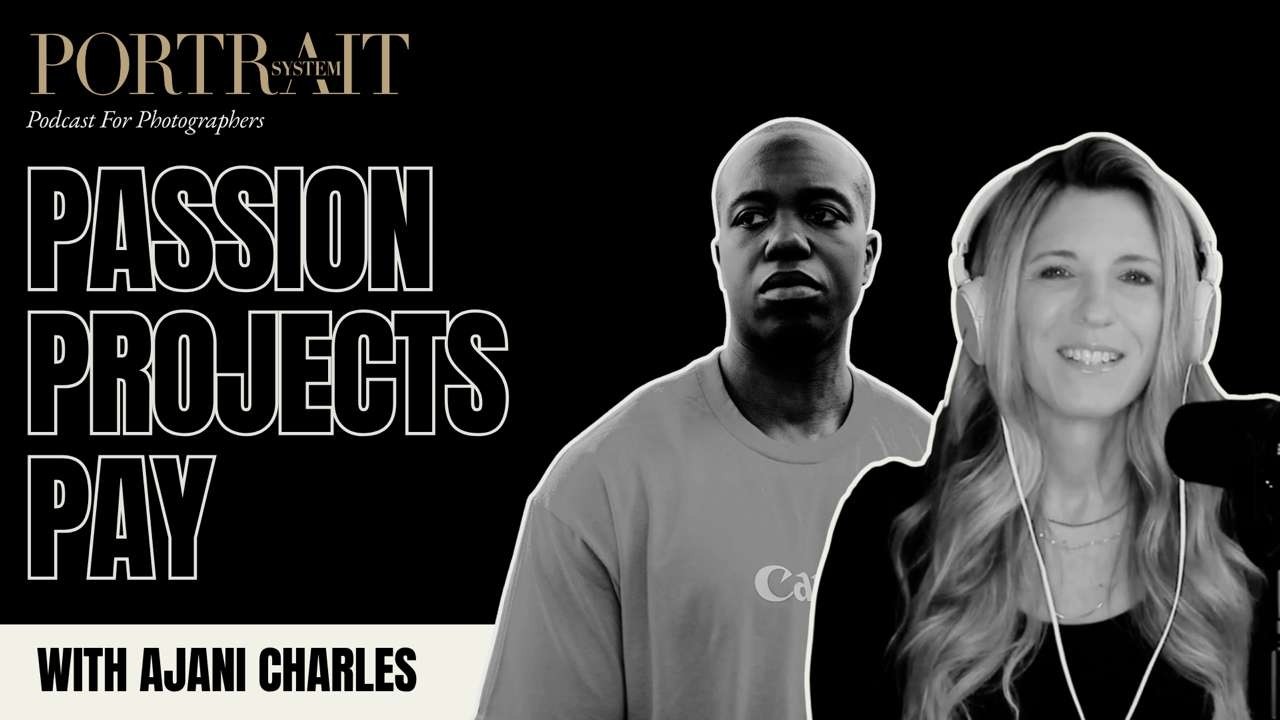
In this The Portrait System conversation, host Nikki Closser sits down with Toronto-based photographer and filmmaker Ajani Charles, and the discussion cuts straight to something most lighting tutorials skip entirely: what do you do when rejection, inconsistent income, and self-doubt are hitting harder than any technical problem you’ve ever faced? Ajani’s career spans nearly 30 years behind a camera, with close to 20 of those working professionally. His long-running documentary project, Project T-Dot, about Toronto’s hip-hop culture and community, took 15 years before it generated meaningful income. That timeline alone contains an entire curriculum.
This is not a tutorial about f-stops. It is about the decisions and habits that keep a photographer working, growing, and sane across decades rather than burning out after three years. What follows are the practical frameworks Ajani shares, broken down into steps you can actually apply.
Step 1: Acknowledge That the Mental Load Is a Real Technical Problem
 Nikki introducing the emotional burden of starting a business
Ajani and Nikki open by naming something the industry rarely puts on the table directly: the hardest part of running a photography business is frequently not lighting or posing. It is managing your own mental and emotional state under conditions of uncertainty. Acknowledging this is not soft thinking. It is diagnostic thinking. You cannot solve a problem you have not correctly identified.
If your shoots are technically solid but you are losing clients, underpricing, or avoiding follow-up calls, the issue is probably not your light placement. Treat the psychological side of your business with the same rigor you bring to a new modifier. Name the specific problem. Then build toward a solution.
Step 2: Start a Personal Project and Commit to It Without a Financial Timeline
 Ajani describing Project T-Dot and its roots in community
Project T-Dot began as a documentation of Toronto’s hip-hop scene, a subject Ajani cared about deeply before anyone was paying him to care about it. The project ran for 15 years before it became a revenue source. That is not a story about patience as a passive virtue. It is a story about the strategic value of owning work that is entirely yours.
A personal project gives you a body of work that no client brief has shaped or diluted. It develops your eye in directions that commercial work alone will not take you. It also gives you something to return to when commercial work feels hollow or dries up. Pick a subject you would document even if the footage never ran anywhere. Commit to it on a recurring schedule, even if that means one afternoon a month. The compounding effect over years is significant.
Step 3: Let Commercial Work Fund the Work That Matters to You
 Ajani discussing the professional photography career alongside personal work
Ajani did not wait for Project T-Dot to pay before pursuing it. He built and maintained a commercial photography practice that generated income while the personal project developed on its own timeline. These two tracks were not in competition. The commercial work paid the bills and kept the skills sharp. The personal project kept the creative motivation alive.
This is a structural decision, not just an attitude. Map out your income realistically. Know what your commercial work needs to generate each month to cover your overhead and your life. Then protect time for the personal work within that structure. If the personal project is always “when I have time,” it will never happen. Schedule it like a client shoot.
Step 4: Define Your Ideal Client With Enough Specificity to Actually Find Them
 Conversation shifting to finding photography clients and solving problems
Ajani’s approach to finding clients centers on a deceptively simple idea: be useful, and be specific about who you are useful to. A vague ideal client profile produces vague outreach that gets ignored. The more precisely you can describe who benefits most from your particular skills and aesthetic, the more targeted and effective your prospecting becomes.
Write a one-paragraph description of your ideal client. Include their industry, the problems they are trying to solve with photography, what a successful outcome looks like for them, and where they spend their time. Then build your outreach around that profile rather than broadcasting broadly. One specific pitch to the right person outperforms ten generic emails every time.
Step 5: Follow Up, Then Follow Up Again
 Discussing the practical habit of following up with potential clients
Ajani is direct about follow-up: most photographers do not do it consistently, and that gap is where work is lost. A client who does not respond to your first outreach is not necessarily disinterested. They are busy, distracted, or not ready yet. A well-timed follow-up a week or two later often lands at exactly the right moment.
Build follow-up into your workflow as a non-negotiable step rather than something you do when you remember. After every pitch, every inquiry, every coffee meeting, schedule the next contact point before you close your laptop. Keep notes on where each conversation stands. Treat your prospect list like a production schedule.
Step 6: Build a Support System and Use It Deliberately
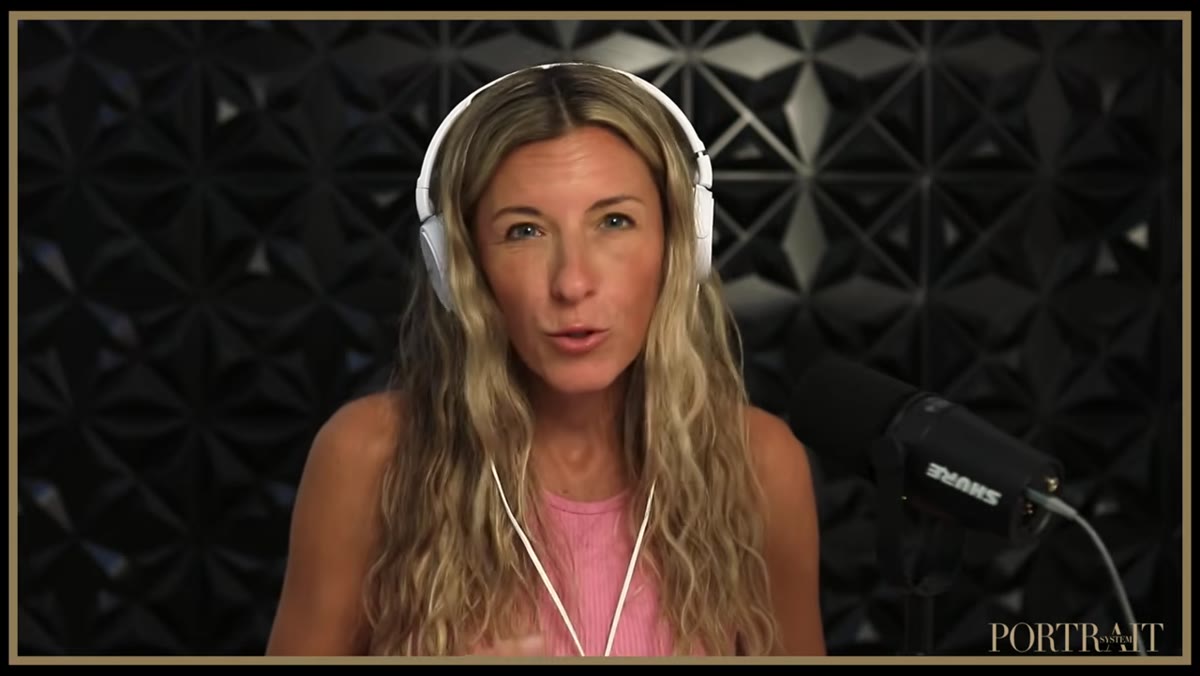 Ajani and Nikki on coping strategies and emotional tools
Meditation, therapy, journaling, trusted relationships: Ajani talks about all of these not as lifestyle recommendations but as functional tools he uses to stay operational under pressure. Rejection and inconsistent income are stressors that compound over time if you have no outlet. The photographers I have seen burn out or quit usually did not lack talent. They lacked a system for processing difficulty.
You do not need to adopt every practice Ajani mentions. But identify at least one outlet that helps you process the emotional weight of running a business, and use it regularly rather than waiting until you are in crisis. That might be a weekly call with another photographer you trust, a journaling habit, or something else entirely. The specific tool matters less than the consistency.
What I’d Add From My Own Experience
The commercial-versus-personal split Ajani describes mirrors something I have noticed in my own studio work. When I am running back-to-back client shoots without anything in between that I chose for myself, my commercial work starts to go flat. The technical execution is fine, but there is a mechanical quality to it that I can see in the frames afterward.
My version of the personal project is less grand than a 15-year documentary. It is a series of studio portraits I shoot on off-days with no brief, testing light combinations I would never propose to a client. Nobody is paying me for those frames. But they feed back into everything else. The investment in your own curiosity is not separate from your business development. It is part of it.
The single most important idea in this conversation is that longevity in photography requires parallel tracks: one that pays now, and one that sustains your reasons for doing this work over the long term. Ajani’s 15 years on Project T-Dot before it monetized is not a cautionary tale about slow returns. It is a blueprint for staying in this industry long enough to build something that actually means something.
Watch the full tutorial on YouTube
Comments
Leave a Comment