Low Key Silhouette Lighting: A Two-Light Setup That Actually Works in a Real Studio

Low Key Silhouette Lighting: A Two-Light Setup That Actually Works in a Real Studio

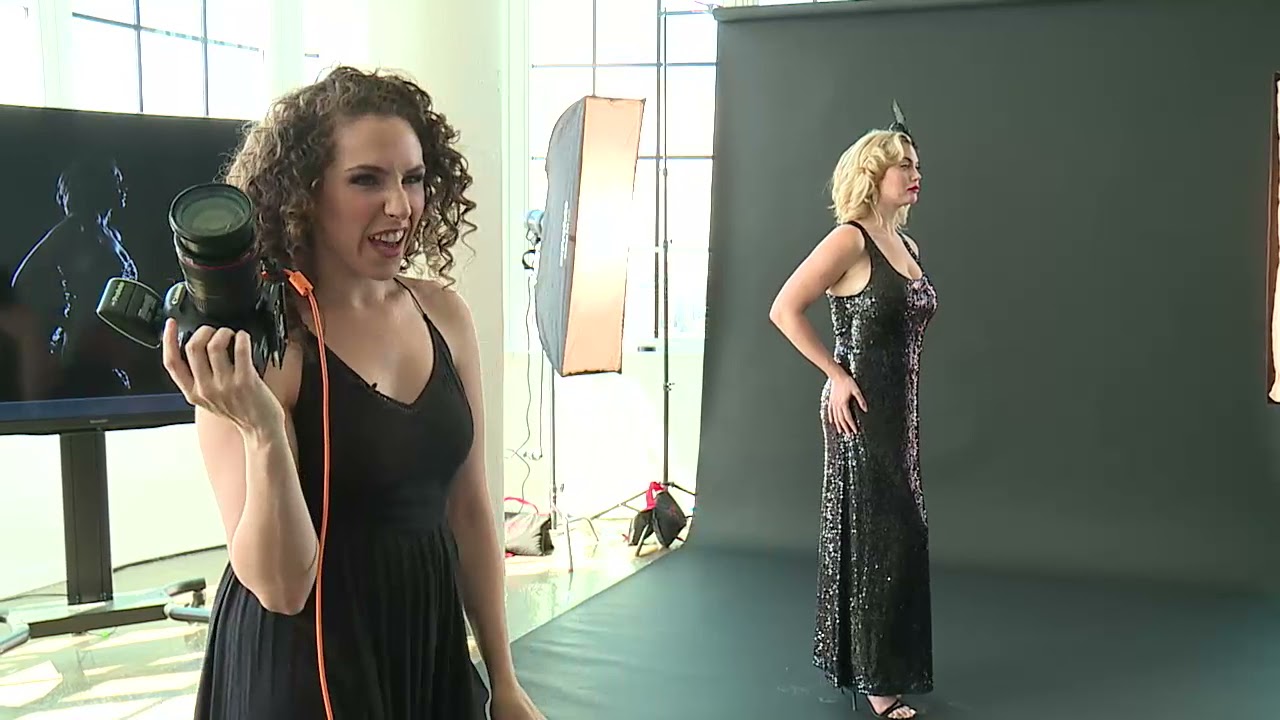
There’s a specific kind of client brief that used to make me nervous early in my career: “dramatic, dark, high-contrast.” It sounds simple until you’re standing in front of a bright, windowed studio trying to sculpt shadows that don’t exist. Low key lighting is one of those techniques that looks effortless in the final image and chaotic in practice if you haven’t built a reliable process around it. I’ve shot enough fashion and beauty work to know that when this setup goes wrong, it goes wrong fast, and usually right before the client walks in.
Emotion First, Then the Pose: What a $10K Wedding Photographer Taught Me About Working With People

Emotion First, Then the Pose: What a $10K Wedding Photographer Taught Me About Working With People

Most of my work happens in a controlled environment. I label every light, I sketch every setup, I run color calibration before the first frame fires. Control is how I operate. So when a client’s expressions fall flat despite a technically perfect setup, it’s genuinely disorienting. The lights are where they should be. The composition is solid. And yet the images feel hollow. For years I chalked that up to the subject, told myself some people just aren’t photogenic.

One Flash, One Room, Pro Results: A Studio Lighting Walkthrough with Neewer's Z2 Pro and Z3R

One Flash, One Room, Pro Results: A Studio Lighting Walkthrough with Neewer's Z2 Pro and Z3R

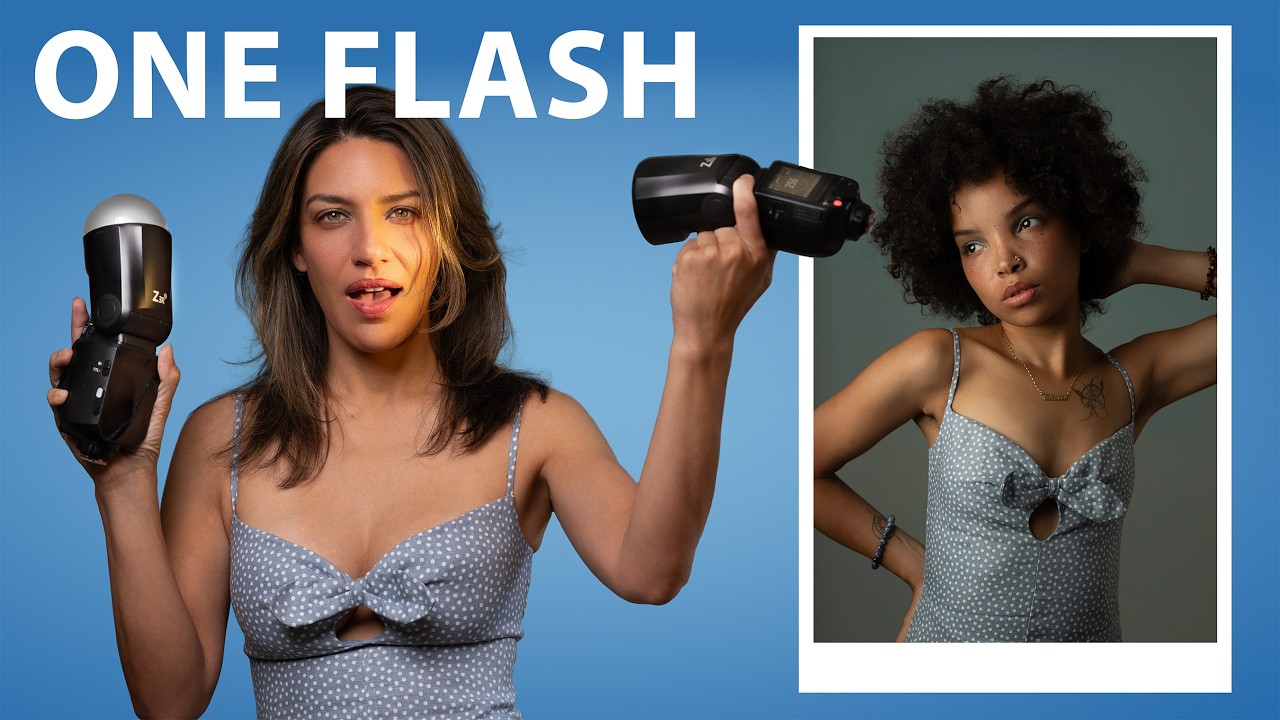
Most of my clients assume I’m working with a truck full of Profoto heads and a crew of assistants. The truth is that some of my cleanest editorial portraits have come from a single flash, a good modifier, and a room small enough that I could touch both walls with my arms stretched out. That gap between what people think pro lighting requires and what actually produces pro results is exactly what keeps beginners stuck.

Octodomes Decoded: What Every Studio Photographer Needs to Know About Eight-Sided Light

Octodomes Decoded: What Every Studio Photographer Needs to Know About Eight-Sided Light

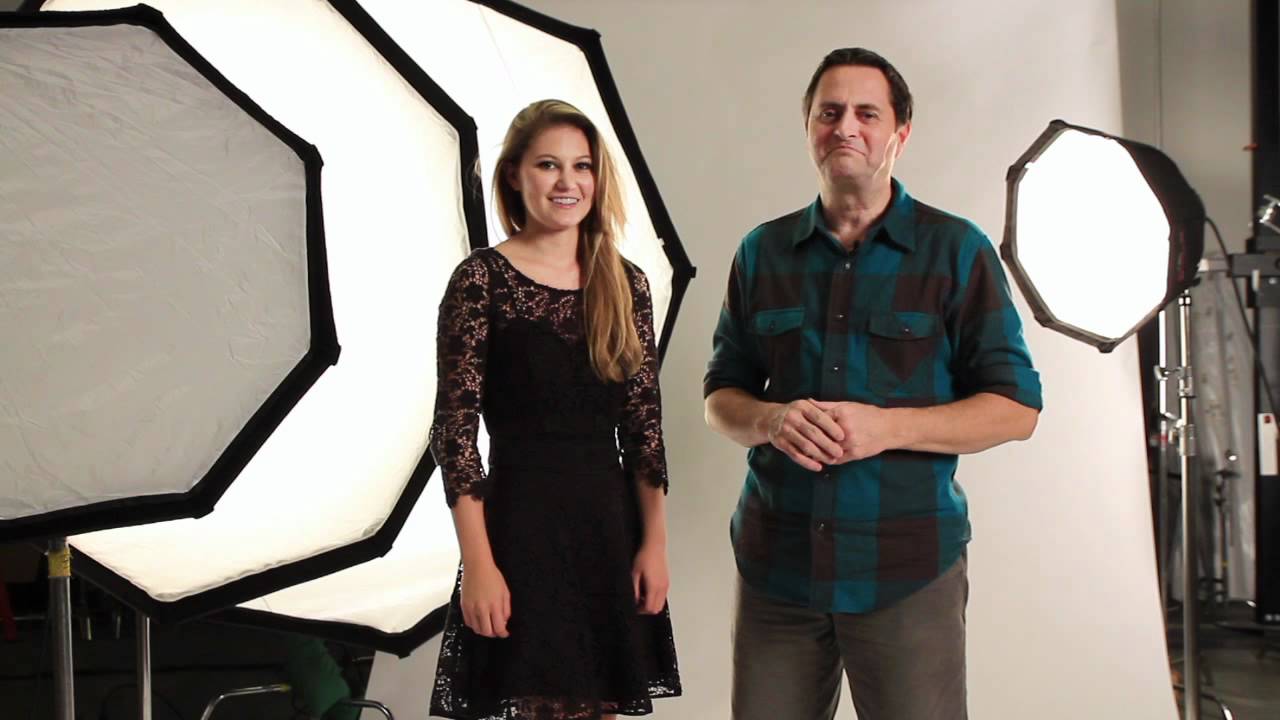
I test every new modifier the day it arrives. Not because I’m impatient, though I am, but because showing up to a client shoot with an untested piece of gear is how careers end quietly. So when octodomes started appearing in more of my commercial setups, I needed to understand exactly what I was getting, not just the marketing copy on the box. Size, coverage, feathering behavior, catchlight shape. All of it.

The Model as Modifier: How to Shoot Pure Backlight Without Destroying Your Subject's Face

The Model as Modifier: How to Shoot Pure Backlight Without Destroying Your Subject's Face

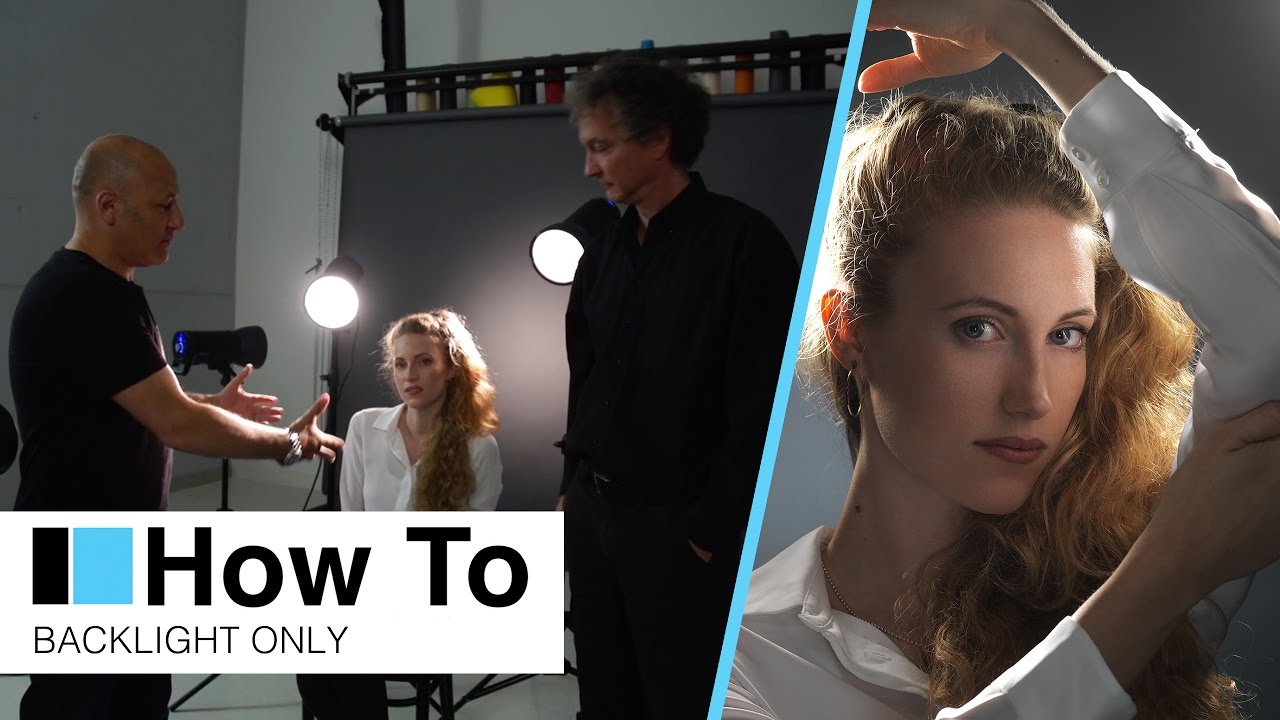
Backlighting is one of those techniques I keep returning to, not because it’s easy, but because nothing else produces that quality of edge light and depth that makes a portrait look genuinely three-dimensional. The problem is that pure backlight is also one of the fastest ways to wreck a shot. You get blown rim light, a crushed, featureless face, and enough lens flare to sink a fashion campaign. I’ve been in that situation more times than I’d like to admit, which is why this Visual Education tutorial featuring broncolor stopped me mid-scroll.

One Light, Two Lights, Three Lights: What Jessica Kobeissi's Studio Setup Tutorial Actually Teaches You

One Light, Two Lights, Three Lights: What Jessica Kobeissi's Studio Setup Tutorial Actually Teaches You

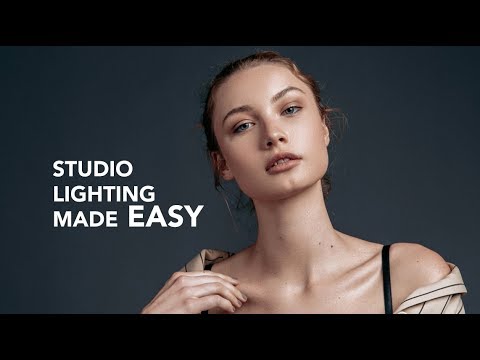
Most photographers overcomplicate their first studio setup. They buy three lights before they understand one, then wonder why their images still look flat. I did the same thing early in my career, and I’ve watched a lot of new photographers make that same expensive mistake. What I appreciate about this Jessica Kobeissi tutorial, shot with photographer Jake Thomas, is that it does the opposite: it builds from a single light outward, showing you what each additional source actually contributes before you spend a dollar on it.

Short Lighting Is My Default Dramatic Setup — Here's How to Build It Right

Short Lighting Is My Default Dramatic Setup — Here's How to Build It Right

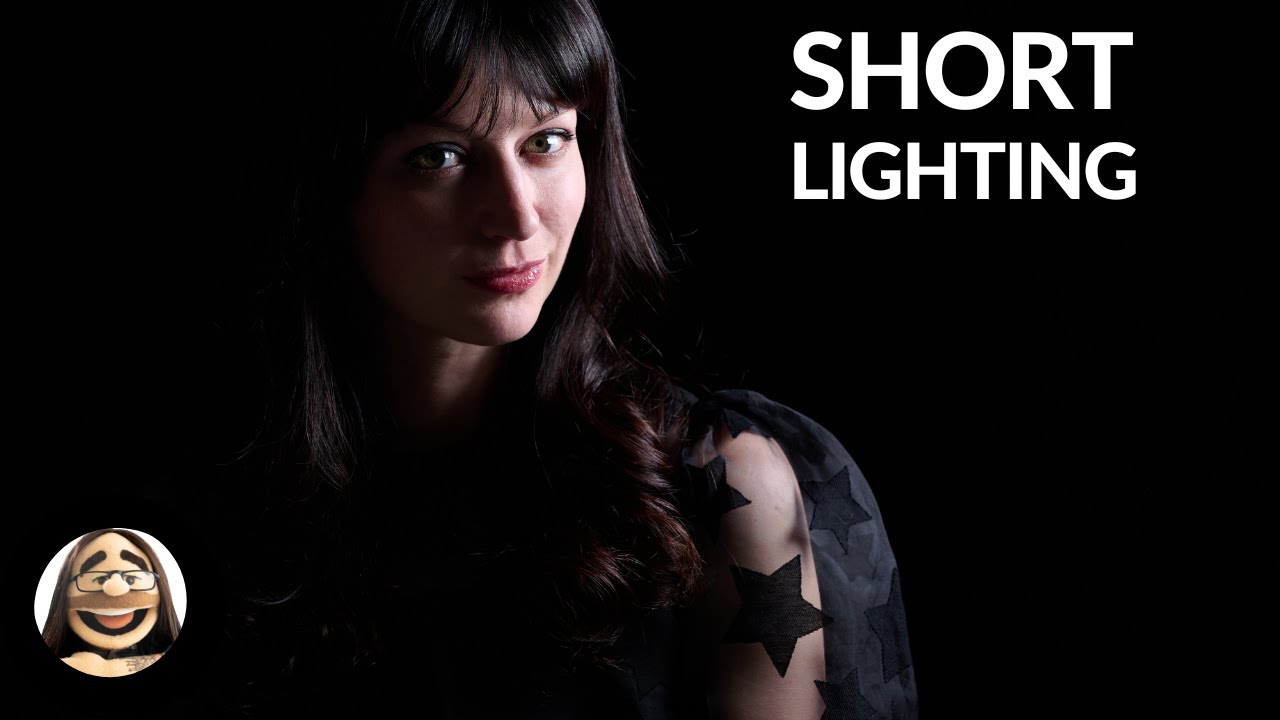
There is a specific problem I run into about four times a year on editorial shoots: a client wants “moody and cinematic” but gives me a flat, white cyclorama and exactly zero set design budget. No texture, no shadow, no depth. What saves me every time is short lighting. Not because it is trendy, not because it slims a face (though it can), but because it manufactures drama out of geometry alone.

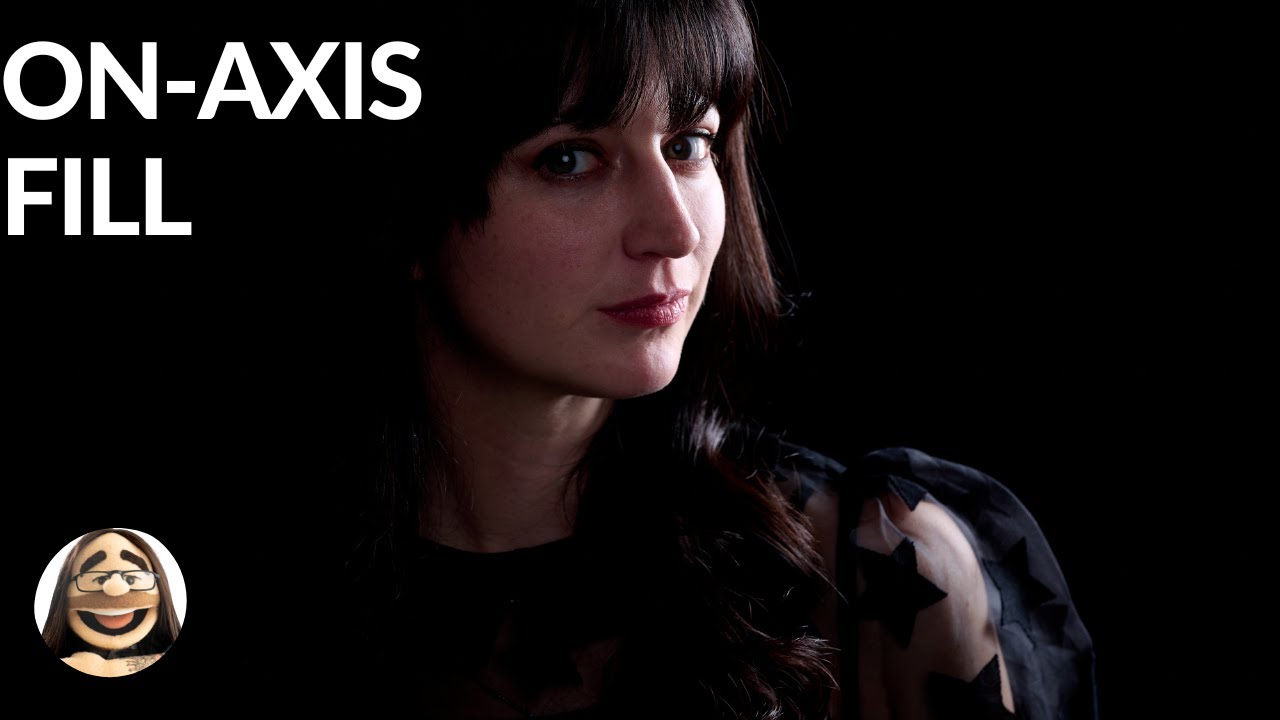
On-Axis Fill: The One Placement Rule That Eliminates Crossed Shadows for Good

On-Axis Fill: The One Placement Rule That Eliminates Crossed Shadows for Good

Every time I walk into a studio rental and see a photographer’s fill light parked directly opposite the key light, I know exactly what their images look like before I even glance at the camera. Two competing shadow directions. A muddy, restless quality across the face that no amount of retouching fully fixes. I’ve been there. Early in my career I set up fill lights wherever they happened to be convenient, and I spent hours in post wondering why the skin tones felt so complicated.

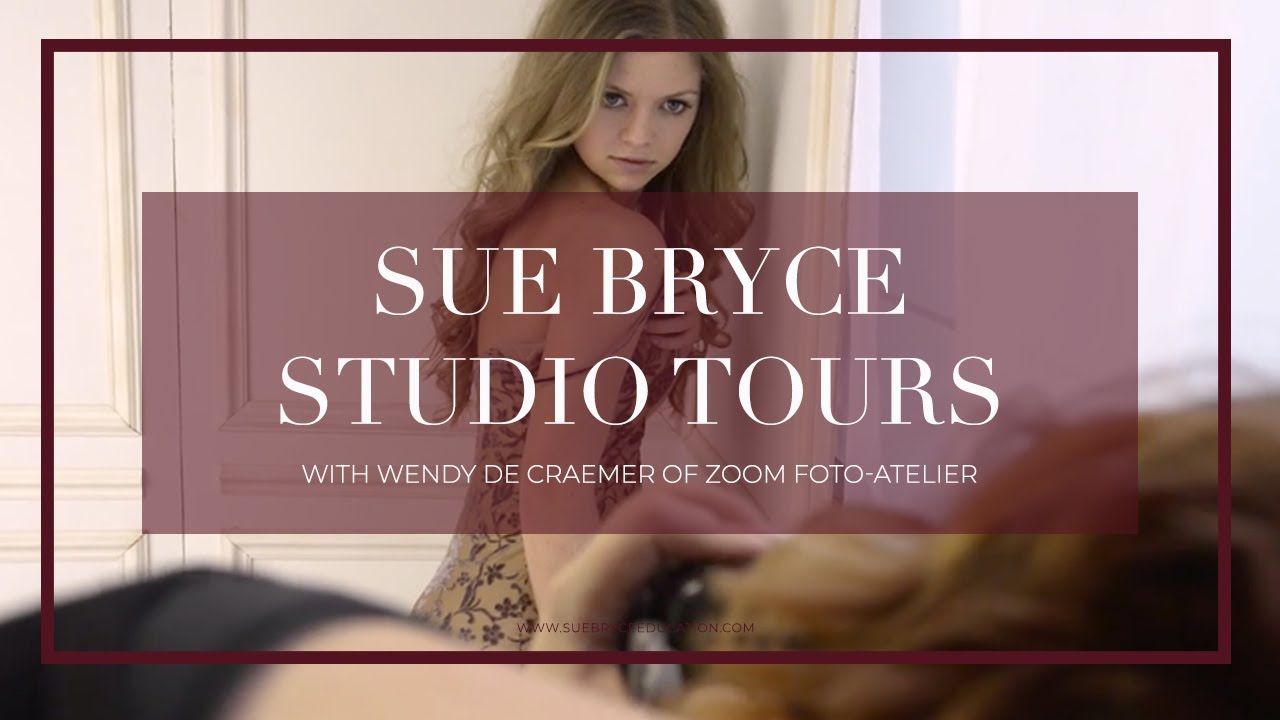
How a Belgian Glamour Photographer Built a High-Converting Portrait Studio in an Annex the Size of a Garage

How a Belgian Glamour Photographer Built a High-Converting Portrait Studio in an Annex the Size of a Garage

There is a particular kind of envy I get when I see a small studio that outperforms studios three times its size. I shoot commercial work out of a rented space in Los Angeles, which gives me room to be wasteful with my layout. But wasteful is not efficient, and efficient is what sells. So when I came across Watch the full tutorial on YouTube on The Portrait System channel featuring Belgian glamour photographer Wendy De Craemer of ZOOM Foto-Atelier, I sat down with my lighting journal and took notes.

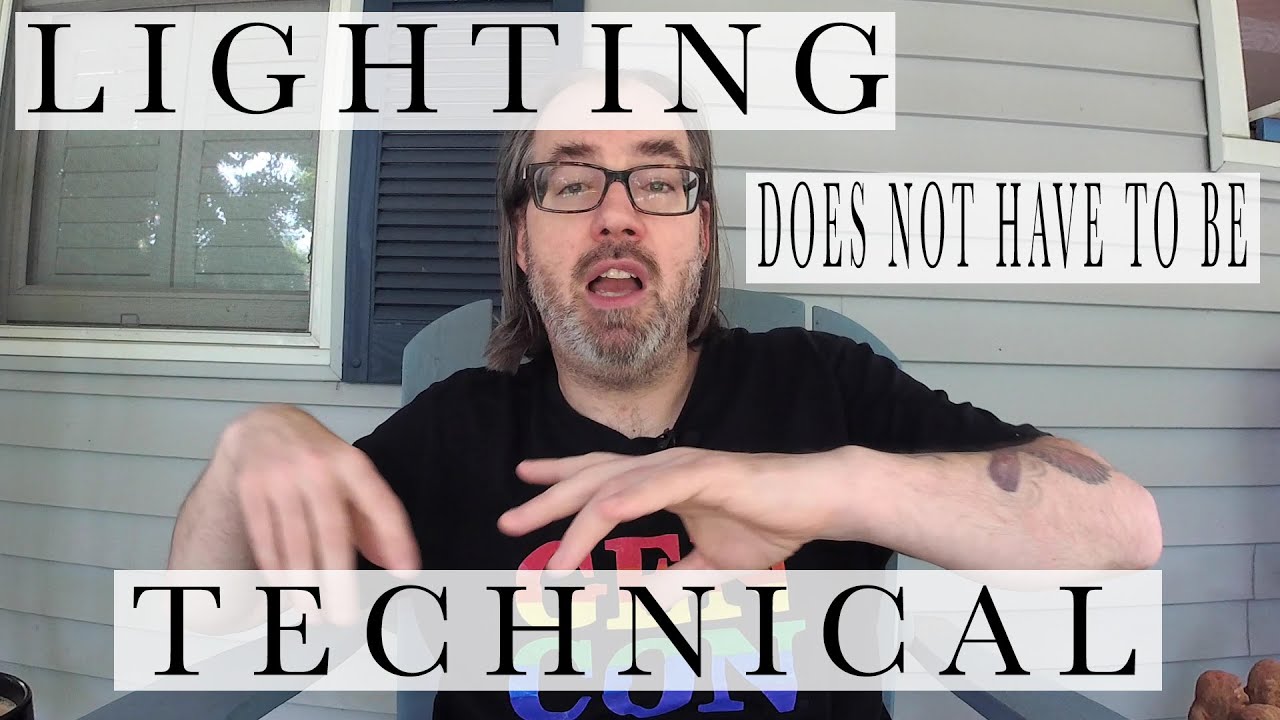
You Don't Need to Memorize Ratios to Light Well — Here's What Actually Works

You Don't Need to Memorize Ratios to Light Well — Here's What Actually Works

There’s a label maker on my workbench right now, next to a roll of masking tape I use to tag every light in my studio. I’ve always been the kind of photographer who wants to know exactly what everything is doing and why. So when I first heard a working photographer say out loud that he doesn’t consider himself a “technical photographer,” my instinct was to push back. Then I actually listened to what he meant, and it reframed something I’d been overcomplicating for years.

Faking Window Light in the Studio: How to Sell the Lie With Two Lights

Faking Window Light in the Studio: How to Sell the Lie With Two Lights

There is a specific failure mode I see constantly in studio work where photographers create technically correct light that still feels wrong. The exposure is clean, the modifiers are appropriate, the histogram is fine. But the image has no sense of place. It could have been shot anywhere, at any time, under any conditions. That placelessness kills the mood before the viewer even registers it consciously. The ability to fake a real-world light source, something with narrative weight like a streetlight, a hotel window, a passing car, is one of the most useful skills a working photographer can develop, and it is one I keep returning to in my own commercial work.

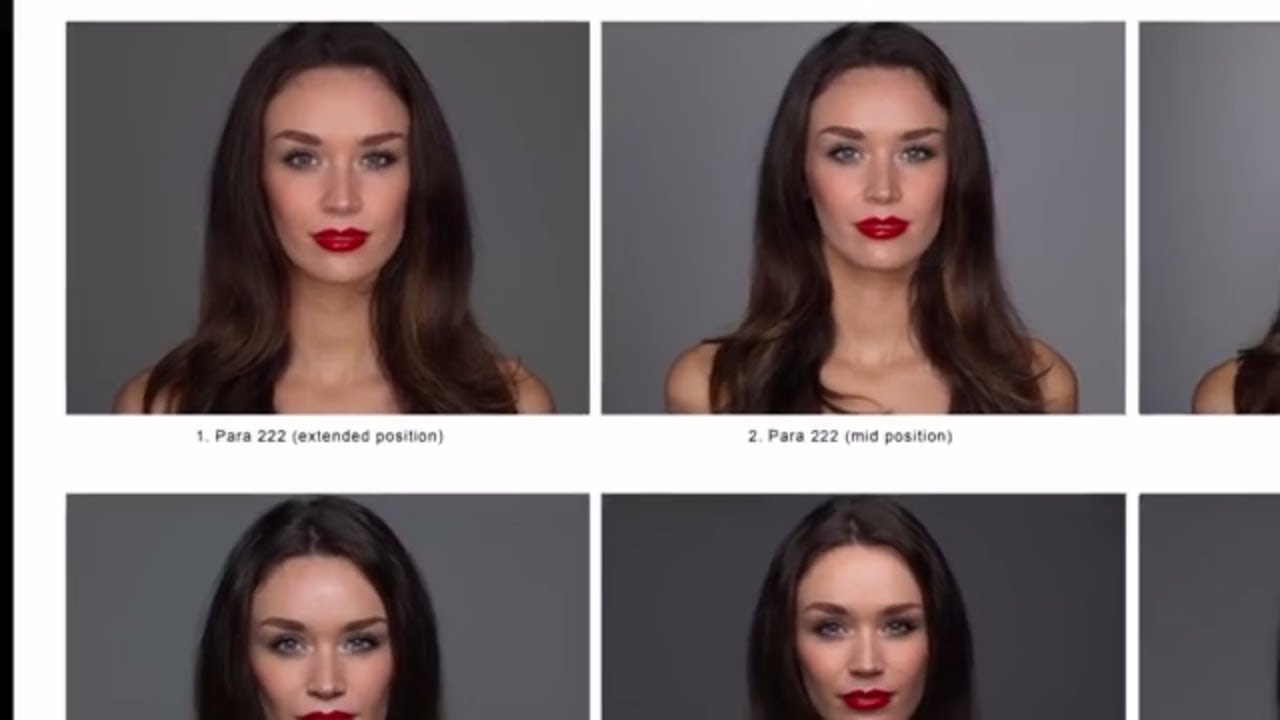
Parabolic Light Modifiers for Beauty Photography: What the Shape Actually Does and Why It Matters

Parabolic Light Modifiers for Beauty Photography: What the Shape Actually Does and Why It Matters

Every beauty photographer eventually hits the same wall. You own a softbox, maybe a beauty dish, and both produce decent results. But there’s a quality of light you keep seeing in high-end editorial work that you can’t quite replicate. It has depth to it. A kind of directionality that feels both soft and precise at the same time. For years I assumed it was retouching. It wasn’t. It was the modifier.