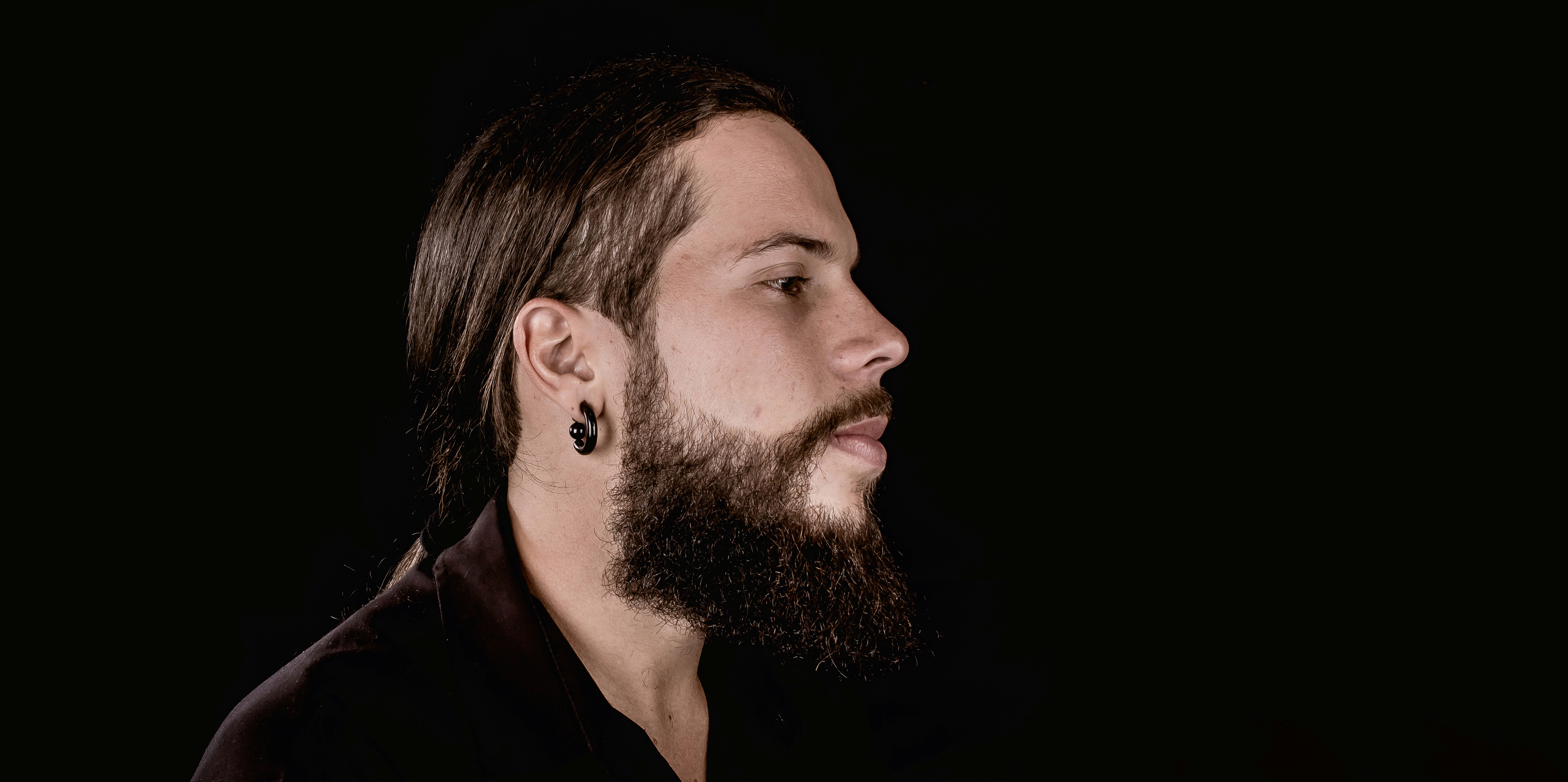
The Architecture of Posing: Building Flattering Angles Like You’re Planning a Building
I’ve watched photographers waste exceptional light on poor posing. It’s like buying premium ingredients and burning the dish. The two aren’t separate—posing is part of your lighting equation. Get the pose wrong, and even perfect three-point lighting fails.
Here’s what I’ve learned after thousands of sessions: posing isn’t artistic intuition. It’s geometry. Treat it like a recipe with specific measurements, and your results become predictable and repeatable.
The 45-Degree Foundation
Start every pose at 45 degrees to camera. This is non-negotiable in my studio. When your subject faces the lens directly, their face becomes a flat plane. At 45 degrees, you create dimension. Their far cheekbone recedes slightly, their near cheekbone catches light, and instantly they look three-dimensional.
Position their feet first. Have them stand at a 45-degree angle to camera, weight on their back foot. This prevents the stiff, front-facing look that screams “passport photo.” Their shoulders should follow the same line—shoulders back, not squared to camera.
The Chin Protocol
This is where I see the most mistakes. A slightly lowered chin is flattering on virtually everyone. Have your subject imagine they’re looking slightly downward at something interesting. Not dropping their head dramatically—just 10-15 degrees lower than their natural sightline.
Why? This angle elongates the neck, defines the jawline, and places the eyes higher in the frame where they’re more engaging. When the chin is lifted too high, you’re lighting the underside of the face and creating unflattering shadows under the cheekbones.
If your subject has a softer jawline, add this: have them place their tongue on the roof of their mouth. This creates subtle tension that defines the jaw without looking forced.
The Arm Angle Problem
Don’t let arms hang flat against the body. That’s amateur-hour posing. Create space between arm and torso—even just three inches creates visual separation and makes the subject look slimmer.
For seated poses, angle arms so elbows point outward slightly, not backward into the body. Have them rest hands on their lap with fingers splayed slightly—closed fists or flat palms always look tense.
For standing portraits, I use this rule: one hand higher than the other. A hand resting near the hip, the other hand near the chest or in a pocket. This asymmetry reads natural and prevents the bilateral symmetry that makes people look stiff.
The Shoulder Drop
Before you press the shutter, have one shoulder slightly lower than the other. Not dramatically—just enough to notice. This counteracts the natural human tendency to tense up both shoulders equally when photographed.
Lower the shoulder closest to the camera. It sounds counterintuitive, but it creates a graceful line through the body and photographs far better than level shoulders.
The Eye Contact Variation
Don’t always have them look at the lens. Direct eye contact is powerful but limiting. I’ll shoot 30% of a session with subjects looking at the lens, then move to variations: looking down thoughtfully, looking toward a window (if you have side light), or looking just above the camera.
These variations add story and emotion to your final edit while testing different lighting on different angles of the face.
The Test Shot Protocol
Before committing to a pose, I take one test shot and review it immediately. I’m checking three things: does the pose create angles that flatter? Are there unflattering shadows in unexpected places? Does the body language look natural?
Posing is the difference between technically correct light and actually flattering photographs. Master these angles, and you’ll stop blaming your lighting for mediocre results. You’ll stop buying expensive modifiers hoping they’ll fix bad posing.
Get the geometry right first. Light becomes optional after that.
Comments (6)
This saved me so much time on my last edit. Wish I'd found this sooner.
Love this. I referenced a similar technique in one of my recent posts. Always good to see other perspectives.
Just subscribed. If the rest of your content is this good, I'm in.
Just subscribed. If the rest of your content is this good, I'm in.
Tried this technique this morning. Game changer for real.
Tried this technique this morning. Game changer for real.
Leave a Comment