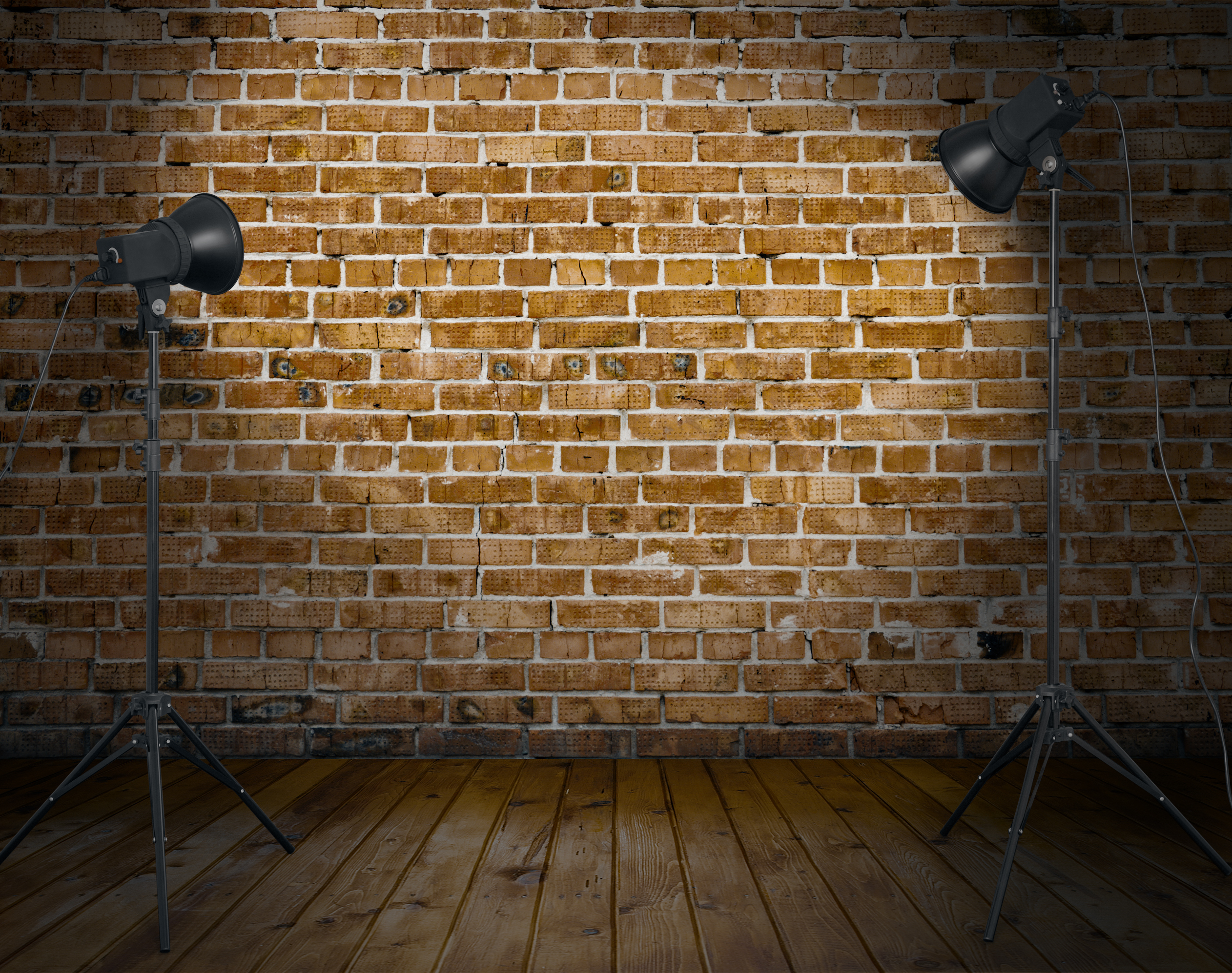
I’ve spent fifteen years refining my studio workflow, and I can tell you with certainty: the photographers who produce the best results aren’t the ones with the fanciest gear. They’re the ones who’ve systematized their process so thoroughly that setup becomes automatic and they can focus entirely on their subject.
Your workflow is the skeleton that holds everything together—lighting decisions, posing cues, camera settings, even client communication. Without one, you’re improvising. With one, you’re executing.
Pre-Session: The Setup That Matters
I arrive at my studio at least 90 minutes before the first client. This isn’t negotiable.
First, I assess available light. Even if I’m using only strobes, I need to know what ambient light is doing. I take five test shots at my shooting ISO and shutter speed to see exactly what the baseline is. This takes four minutes and prevents embarrassing surprises later.
Next, I light my key setup. I always start with the same foundation: a 47-inch octabox at 45 degrees to camera left, positioned at eye level for headshots or slightly higher for full-length work. This is my reference point, not my final setup. But starting from something proven means I’m making intentional adjustments, not guessing.
I meter with a handheld incident meter—I don’t trust back-of-camera histograms for consistency. My key light reads f/5.6 at ISO 100. Fill comes from a 32-inch beauty dish at f/2.8 (2.8 stops under key). This ratio is my standard because it works across skin tones and doesn’t require me to recalculate on every session.
The Technical Recipe
Camera settings come next, and here I stop being flexible. Shutter speed is 1/160th (my sync speed with my Profoto heads). Aperture is f/5.6. ISO is 100. Done. I don’t deviate from this unless the client specifically requests shallow depth of field for environmental portraits.
I shoot tethered to a laptop running Capture One. This does two things: first, it lets me see focus and expression at full resolution immediately; second, it forces me to move deliberately between shots instead of machine-gunning 200 frames and hoping something lands.
The Shooting Structure
When the client arrives, they sit in the chair. I spend two minutes on posture before we take a single photograph. Shoulders back, chin slightly forward (not down—this is critical), weight distributed evenly. I physically position them once, then verbally cue small adjustments.
I shoot 15 frames in the first 30 seconds while they’re still uncertain. Their best expression usually comes in frames 8-12, once their brain stops thinking about posture and they’ve settled into the light.
Then I pose deliberately. Head 15 degrees toward the key light. Eyes toward the fill. Subtle hand placement. I narrate everything: “Turn just your head left… eyes to me… perfect.” This takes 90 seconds per pose, and I shoot 12-15 frames per pose. That’s my standard.
For a 45-minute session, I shoot roughly 300 frames across 12-15 distinct setups and poses. The ratio matters. More isn’t better. Precision is.
Post-Session: The Final Step
Before the client leaves, I review selects on the tethered display with them. I show exactly 5 favorites—no more. Editing choices should be made during the shoot, not during post-production.
When they’re gone, I back up the session immediately and rename the folder with date and client name. I do not trust cloud services as my only backup.
Your workflow won’t be identical to mine, but the principle is: master fewer decisions so you can execute them flawlessly. The photographers who seem to work effortlessly aren’t talented—they’ve simply removed the variables that slow everyone else down.
Build the system once. Use it forever.
Comments (4)
Never thought of approaching it this way. Really creative.
Excellent tutorial. I'd add that from a workflows standpoint, this technique is incredibly versatile.
Never thought of approaching it this way. Really creative.
I've watched a dozen tutorials on this and yours is the clearest by far.
Leave a Comment