The Studio Workflow That Actually Works: My Step-by-Step System

The Studio Workflow That Actually Works: My Step-by-Step System

I’ve spent fifteen years refining my studio workflow, and I can tell you with certainty: the photographers who produce the best results aren’t the ones with the fanciest gear. They’re the ones who’ve systematized their process so thoroughly that setup becomes automatic and they can focus entirely on their subject. Your workflow is the skeleton that holds everything together—lighting decisions, posing cues, camera settings, even client communication. Without one, you’re improvising.

The Studio Workflow That Eliminates Wasted Time and Bad Light

The Studio Workflow That Eliminates Wasted Time and Bad Light

The Studio Workflow That Eliminates Wasted Time and Bad Light I’ve watched photographers burn through two-hour sessions shooting 800 frames, then spend weeks sorting through mediocre images. The problem isn’t talent—it’s workflow. A structured process separates professionals from people who own equipment. I treat studio sessions like cooking. You mise en place before you touch heat. You don’t improvise seasoning mid-dish. The same principle applies to photography: prepare everything before your subject arrives, execute the plan with precision, adjust only what needs adjusting.

What Apple's Mac Pro Discontinuation Means for Your Studio Workflow

What Apple's Mac Pro Discontinuation Means for Your Studio Workflow

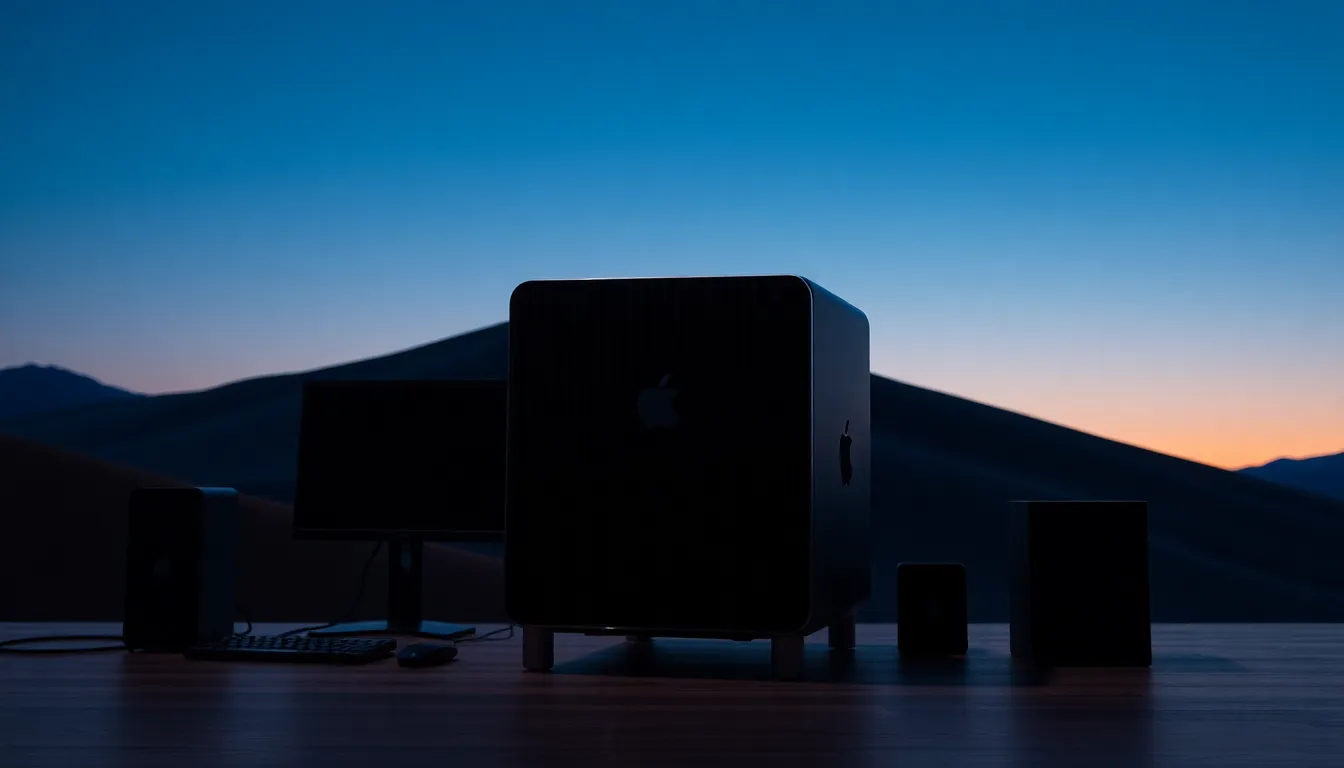
The End of an Era Apple has quietly discontinued the Mac Pro, and I have to be honest—it’s a significant shift worth paying attention to if you’re running a serious photography studio. The company has removed the tower from its lineup entirely, leaving the Mac Studio as the new flagship desktop option. After decades of offering a modular, expandable powerhouse, Apple is essentially saying: this is as big as we’re going.

The Studio Workflow That Actually Works

The Studio Workflow That Actually Works

The Studio Workflow That Actually Works I’ve spent fifteen years refining my studio process, and I’ve learned that the difference between a chaotic shoot and a smooth one isn’t talent—it’s structure. A solid workflow removes decision fatigue, lets you focus on your subject, and produces consistent, professional results. Here’s the exact system I use. Pre-Session Prep Is Non-Negotiable Before anyone steps foot in my studio, I’ve already made 80% of my creative decisions.

The Studio Workflow That Actually Works: My 15-Year System

The Studio Workflow That Actually Works: My 15-Year System

The Studio Workflow That Actually Works: My 15-Year System I’ve watched photographers waste entire afternoons chasing light instead of capturing it. They move modifiers randomly, adjust power settings without measuring results, and change poses every thirty seconds. By the end of the shoot, they’ve got scattered images and no repeatable process. I don’t work that way. After fifteen years in the studio, I’ve built a workflow that removes variables, speeds up execution, and produces consistent results every single time.

The Non-Negotiable Studio Workflow: My Process for Consistent Results

The Non-Negotiable Studio Workflow: My Process for Consistent Results

The Non-Negotiable Studio Workflow: My Process for Consistent Results I’ve shot enough portraits in my studio to know that consistency doesn’t happen by accident. It happens because you build a system and defend it. Every session follows the same sequence, the same measurements, the same decision tree. This isn’t about being rigid—it’s about removing friction so you can focus on the human element. Pre-Session Prep: The Blueprint Matters Before anyone steps in front of my camera, I’ve already made 80% of my technical decisions.

Studio Workflow: From Client Arrival to Final Image

Studio Workflow: From Client Arrival to Final Image

A smooth studio workflow delivers consistent results, keeps sessions on schedule, and creates a professional experience that clients remember. The best photographers don’t improvise their workflow — they’ve developed a repeatable system that handles every session from the moment the client walks in to the delivery of final images. Before the Client Arrives Equipment Check (30 Minutes Before) Test every piece of equipment you plan to use: Fire each flash and verify it triggers reliably Check battery levels on all strobes and camera bodies Verify your tethering connection works (if shooting tethered) Set up your first lighting configuration Take a test shot and evaluate on a calibrated monitor Finding a dead battery or a misfiring strobe during the session wastes the client’s time and undermines their confidence.