
There’s a version of studio photography that’s entirely about gear lists and modifier specs. I’ve lived in that version for years. I know the watt-second ratings on every strobe in my kit. I label every light with masking tape so I can rebuild a setup from a sketch in under four minutes. But sometimes a tutorial comes along that isn’t really about the technical side at all, and it lands harder than any lighting breakdown I’ve read this year. Watch the full tutorial on YouTube
In this CreativeLive segment, host Sue Bryce reveals the winner of their Ultimate Studio Makeover Contest, a photographer named Twilight based in Austin, Texas. The prize is a $10,000 package. What makes this worth studying isn’t the prize itself. It’s the submission video Twilight made to earn it, and what her reasoning reveals about building a portrait business that actually sustains itself emotionally and financially.
If you shoot newborns, families, or any client who comes to you at a vulnerable moment in their life, there is a direct professional lesson embedded in every minute of this video. I’m going to walk through it the way I’d walk through a lighting tutorial, because the structure of what Twilight did is genuinely replicable.
Step 1: Lead with a personal origin story, not a credential
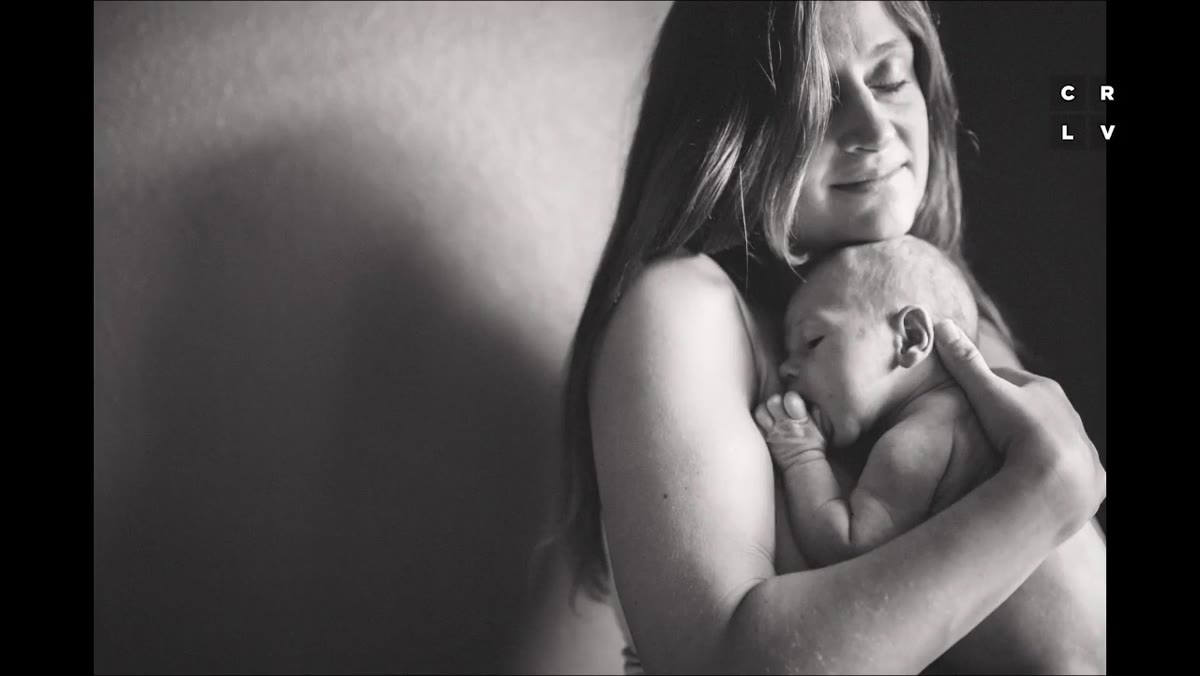 Twilight introducing herself as a newborn and family portrait artist
Twilight opens her submission by identifying herself as a newborn and family portrait artist. That’s the credential. But she immediately pivots to the personal: she had a son, and the experience of becoming a mother is what made her want to help other families capture unrepeatable moments. This sequencing matters. Credential first, humanity second, is the order most photographers default to on their websites and in client consultations. Twilight flips it, and the result is immediately more compelling.
Twilight introducing herself as a newborn and family portrait artist
Twilight opens her submission by identifying herself as a newborn and family portrait artist. That’s the credential. But she immediately pivots to the personal: she had a son, and the experience of becoming a mother is what made her want to help other families capture unrepeatable moments. This sequencing matters. Credential first, humanity second, is the order most photographers default to on their websites and in client consultations. Twilight flips it, and the result is immediately more compelling.
In practical terms, this means your “about” page, your inquiry response emails, and your studio welcome materials should front-load the why before the what. Clients aren’t hiring your camera. They’re hiring the reason you picked it up.
Step 2: Let a difficult personal experience define your specialty
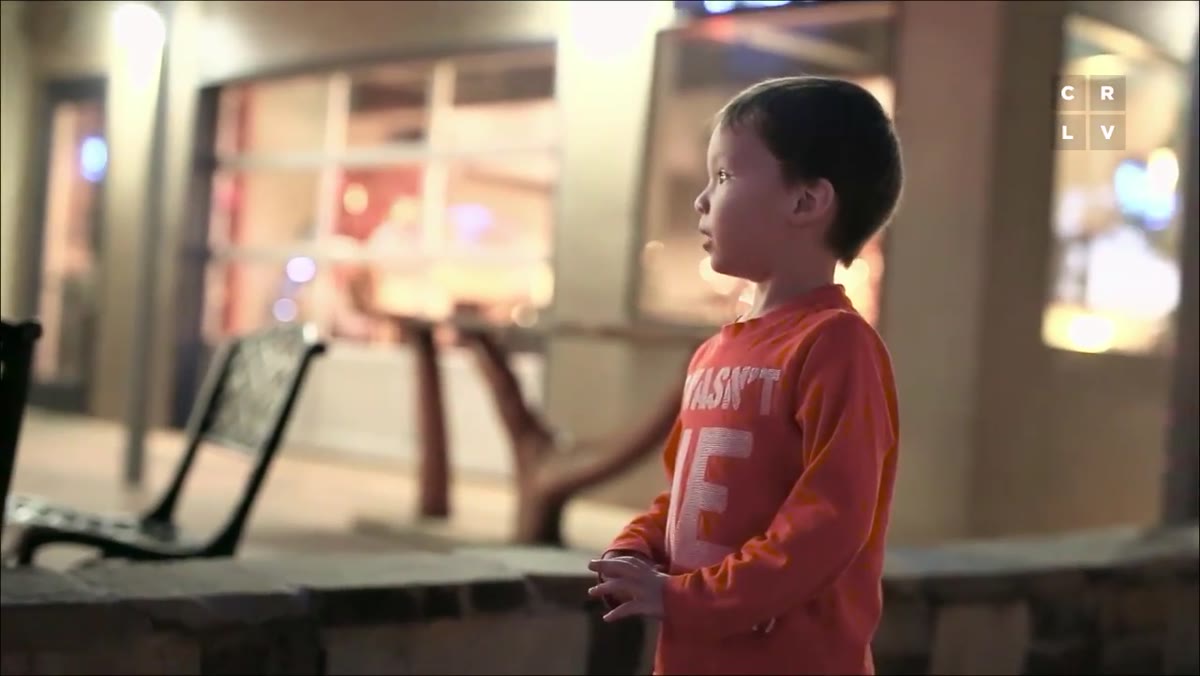 Twilight describing her son’s autism diagnosis at age three
Twilight’s son was diagnosed with autism around age three. She describes going through fear, denial, and panic before arriving at acceptance. That emotional arc isn’t incidental to her photography business. It became the foundation of it. She explains that she stopped trying to force her idea of perfection onto her son and started capturing him as he actually is. That shift, from manufactured smiles to authentic presence, became her entire photographic philosophy.
Twilight describing her son’s autism diagnosis at age three
Twilight’s son was diagnosed with autism around age three. She describes going through fear, denial, and panic before arriving at acceptance. That emotional arc isn’t incidental to her photography business. It became the foundation of it. She explains that she stopped trying to force her idea of perfection onto her son and started capturing him as he actually is. That shift, from manufactured smiles to authentic presence, became her entire photographic philosophy.
For those of us who shoot in a studio environment, this is worth sitting with. A controlled studio is literally designed to impose conditions on a subject. You choose the background, the light, the posing. But Twilight’s approach asks a harder question: are you capturing who someone is, or who you think they should look like in a photograph? The best studio work holds both. You control the light. You don’t control the person.
Step 3: Identify an underserved community and build your mission around them
 Twilight stating her goal to provide portraits to special needs families
Once Twilight accepted her son’s diagnosis, she saw a gap that no one in her market was filling. Families with autistic or special needs children often can’t afford family portraits because their discretionary income goes entirely to therapy, resources, and services that insurance doesn’t cover. She named this gap explicitly in her submission video and said she wanted to give the gift of family portraiture to those families, often at little or no cost.
Twilight stating her goal to provide portraits to special needs families
Once Twilight accepted her son’s diagnosis, she saw a gap that no one in her market was filling. Families with autistic or special needs children often can’t afford family portraits because their discretionary income goes entirely to therapy, resources, and services that insurance doesn’t cover. She named this gap explicitly in her submission video and said she wanted to give the gift of family portraiture to those families, often at little or no cost.
From a business structure standpoint, this is the move that separates a photography job from a photography practice. A clearly defined mission community gives you referral networks, media opportunities, grant eligibility, and a client base that is deeply loyal because you are meeting a real need. It also gives you a reason to keep shooting on hard days. I’ve watched photographers burn out after five years because the work felt interchangeable. A mission gives the work weight.
Step 4: Use your submission materials to demonstrate, not describe
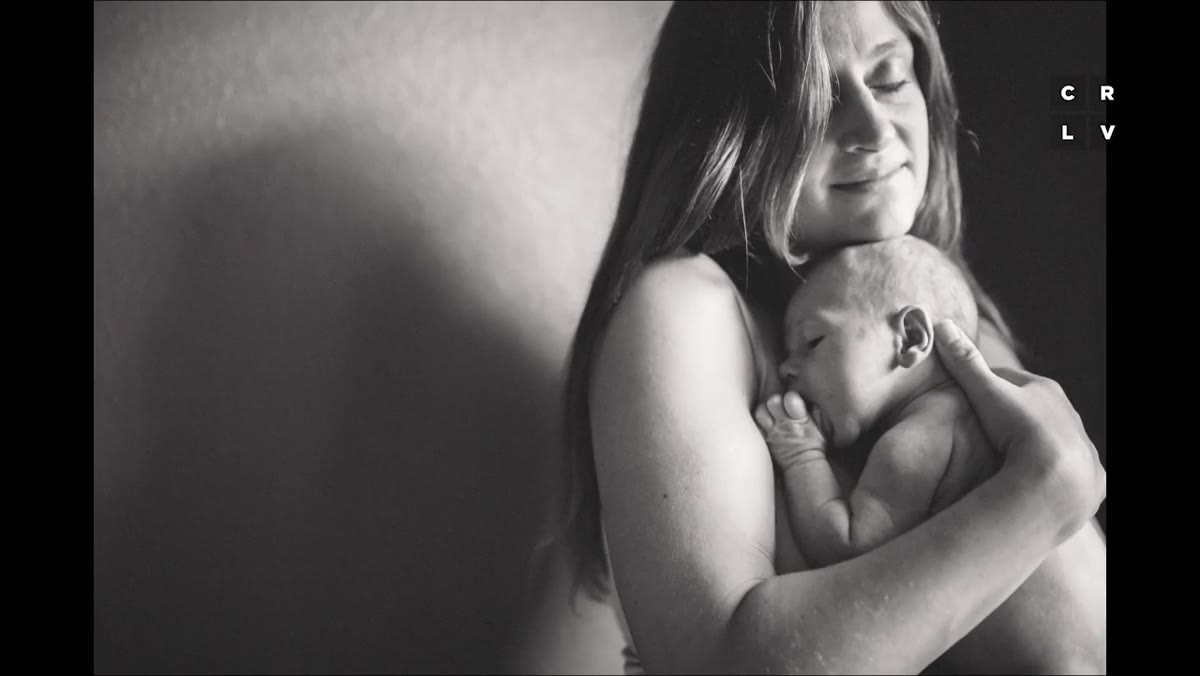 Twilight’s personal video submission playing on screen
Sue Bryce and the CreativeLive team aren’t just reacting to what Twilight said. They’re reacting to how she said it. Twilight made a video that showed her emotional journey. She didn’t submit a PDF of her business plan or a list of her gear. She let the viewer inside her experience, which is exactly what a great portrait photograph does.
Twilight’s personal video submission playing on screen
Sue Bryce and the CreativeLive team aren’t just reacting to what Twilight said. They’re reacting to how she said it. Twilight made a video that showed her emotional journey. She didn’t submit a PDF of her business plan or a list of her gear. She let the viewer inside her experience, which is exactly what a great portrait photograph does.
If you’re ever entering a contest, applying for a grant, pitching a brand partnership, or writing a proposal for a commercial client, this principle applies directly. Show the viewer what it feels like to work with you or to benefit from your work. Description is forgettable. Demonstration sticks.
Step 5: Connect your tools to your goals before you invest in them
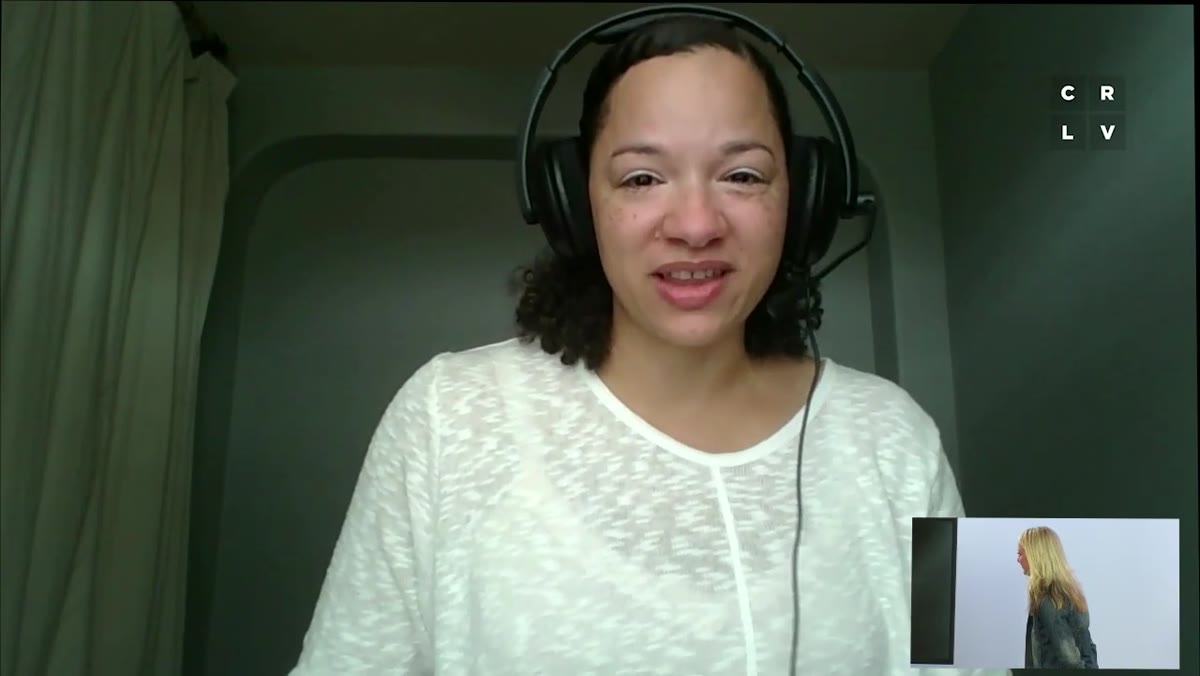 Twilight listing ProSelect as a priority tool for her business growth
When Sue asks Twilight what she’ll do with the prize money, Twilight is specific. She mentions ProSelect by name as a priority. She talks about getting studio samples. She frames each tool in terms of what outcome it enables, not as a gear acquisition for its own sake. ProSelect helps with sales presentations. Studio samples help clients see finished products in context. She’s not excited about software. She’s excited about what the software will let her do for clients and for her income stability.
Twilight listing ProSelect as a priority tool for her business growth
When Sue asks Twilight what she’ll do with the prize money, Twilight is specific. She mentions ProSelect by name as a priority. She talks about getting studio samples. She frames each tool in terms of what outcome it enables, not as a gear acquisition for its own sake. ProSelect helps with sales presentations. Studio samples help clients see finished products in context. She’s not excited about software. She’s excited about what the software will let her do for clients and for her income stability.
This is the discipline most photographers skip. Before you buy a new modifier, a new light, a new backdrop system, or any piece of studio infrastructure, be able to finish this sentence: “This tool will let me do X for clients, which means Y for my business.” If you can’t finish the sentence, wait.
Step 6: Build emotional honesty into your brand from the start
 Twilight becoming emotional after hearing she won the contest
When Twilight learns she’s won, she cries. She nearly apologizes for it, and Sue Bryce stops her immediately. The emotion is the point. It confirms that everything Twilight put in her submission video was real, not performed for the camera. Clients, contest judges, and collaborators all have the same antenna for authenticity. When your stated purpose actually matches your emotional investment, people can feel it.
Twilight becoming emotional after hearing she won the contest
When Twilight learns she’s won, she cries. She nearly apologizes for it, and Sue Bryce stops her immediately. The emotion is the point. It confirms that everything Twilight put in her submission video was real, not performed for the camera. Clients, contest judges, and collaborators all have the same antenna for authenticity. When your stated purpose actually matches your emotional investment, people can feel it.
My caveat from the studio floor
I’ve spent most of my career calibrating for technical precision, and I won’t pretend that doesn’t matter. Wrong color temperature on a beauty shoot will wreck your skin tones and you’ll spend an hour in post trying to fix what ten seconds of testing would have prevented. But technical precision in service of nothing is just expensive noise.
What Twilight’s video reminded me is that the setup, the session, and the final image should be in service of something that the client actually needs, not just something that looks impressive in a portfolio. The photographers I admire most have both: a rigorous technical foundation and a clear reason to use it. That combination is harder to build than any lighting rig, and it’s what separates a working studio from a lasting one.
The single most important takeaway here is this: your specialty is most powerful when it comes from a real place in your life, not from a market analysis. Twilight didn’t survey photographers in Austin and find an underserved niche. She lived through something hard and decided her camera could be useful on the other side of it. That’s a business model that compounds over time, because the person running it can’t be replaced by someone with cheaper rates and a newer lens.
Watch the full tutorial on YouTube and pay attention to the way Twilight structures her submission video. It’s a masterclass in authentic communication that applies well beyond photography.
Comments
Leave a Comment