The Art of Restraint in Modern Production
I’ve been watching the newly released footage from Science Saru’s upcoming Ghost in the Shell anime series, and I have to say—it’s reminded me of something we often forget in contemporary studio work: sometimes doing less is doing more.
The production team has deliberately chosen to pull away from the hyperpolished digital rendering that dominates modern anime. Instead, they’re embracing a visual language closer to the source material’s original manga aesthetic. For those of us working in photography and studio lighting, this is genuinely instructive.
Lighting as Character Development
What strikes me most is how the trailer’s lighting choices aren’t merely decorative—they’re functional storytelling devices. The way shadows are employed isn’t random; they’re deliberately positioned to guide your eye and establish mood. This is precisely how I approach studio lighting setups: every shadow exists for a reason.
Notice how the imagery relies heavily on contrast rather than fill-light saturation. There’s restraint here. The cinematography doesn’t try to illuminate every corner of a scene. Instead, key areas are deliberately lit while others fall into darkness. It’s like working with a single-source key light setup—economical, powerful, and infinitely more sophisticated than blasting everything with even illumination.
The Technical Execution
From a technical standpoint, achieving this throwback aesthetic while maintaining production quality requires serious discipline. The animators are essentially working with a limited palette of lighting scenarios—much like how photographers work with specific modifiers and placements rather than renting every available tool.
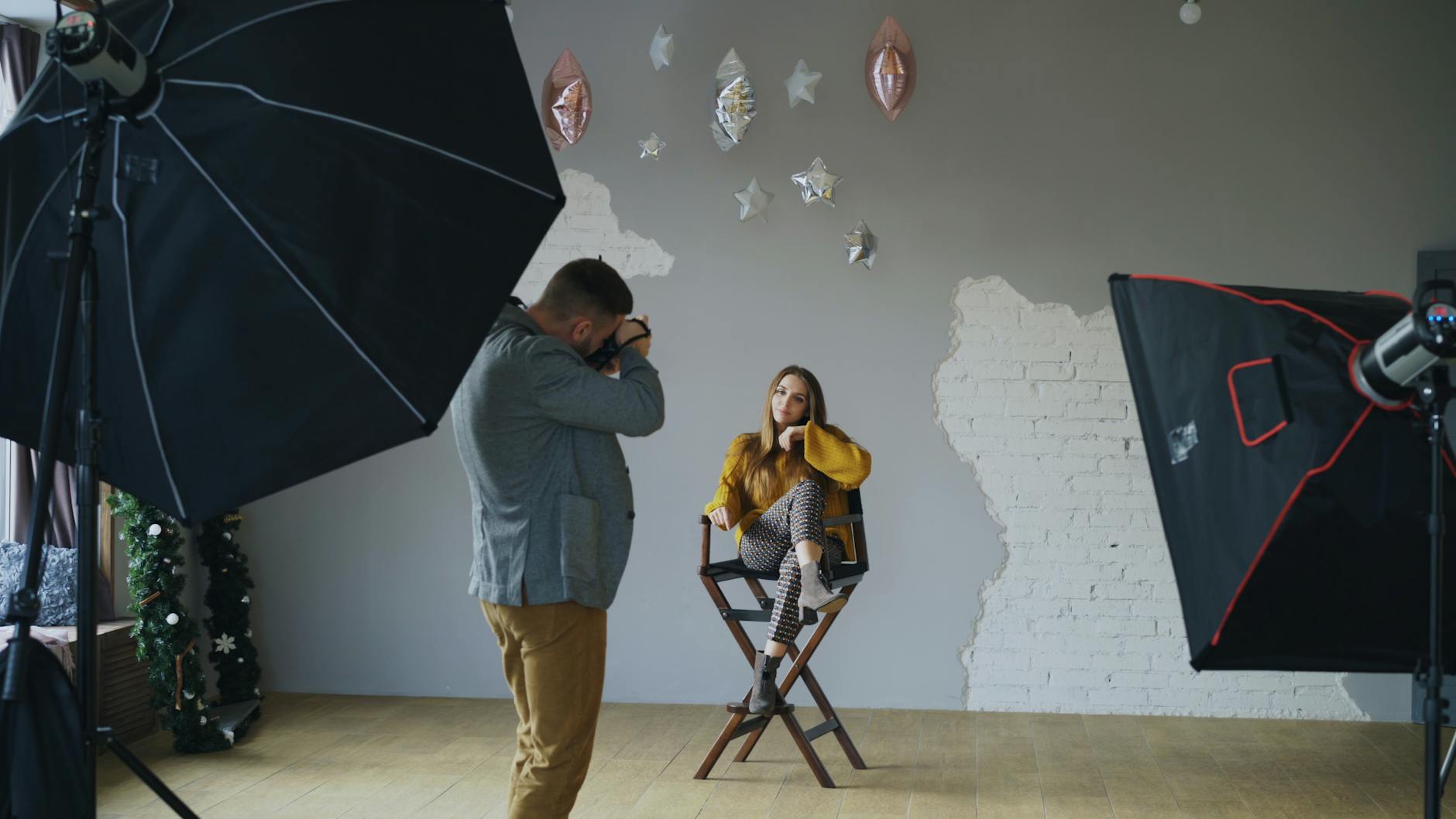
I find this philosophy directly applicable to portrait and studio work. When I’m setting up a shoot, I’m increasingly moving toward fewer lights, more intentional placement, and letting the geometry of my space work harder. It mirrors what Science Saru is doing: achieving visual impact through intelligent choices, not equipment proliferation.
Aesthetic Direction Matters
What fascinates me is that the creative team could have pursued photorealism or contemporary digital smoothness. They didn’t. They made a deliberate artistic choice, and it fundamentally changes how we perceive every frame.
This applies to your studio practice. The gear you choose, how you position your subject, where your light originates—these are artistic decisions that should be intentional, not default. Too many photographers default to whatever worked last time rather than asking whether it’s the right choice for the specific image they’re creating.
The Ghost in the Shell trailer drops this July, and I’m genuinely looking forward to seeing how these lighting principles play out across a full series. It’s a reminder that the most compelling visual work often comes from understanding the fundamentals deeply enough to know when—and how—to break the rules.
Comments
Leave a Comment