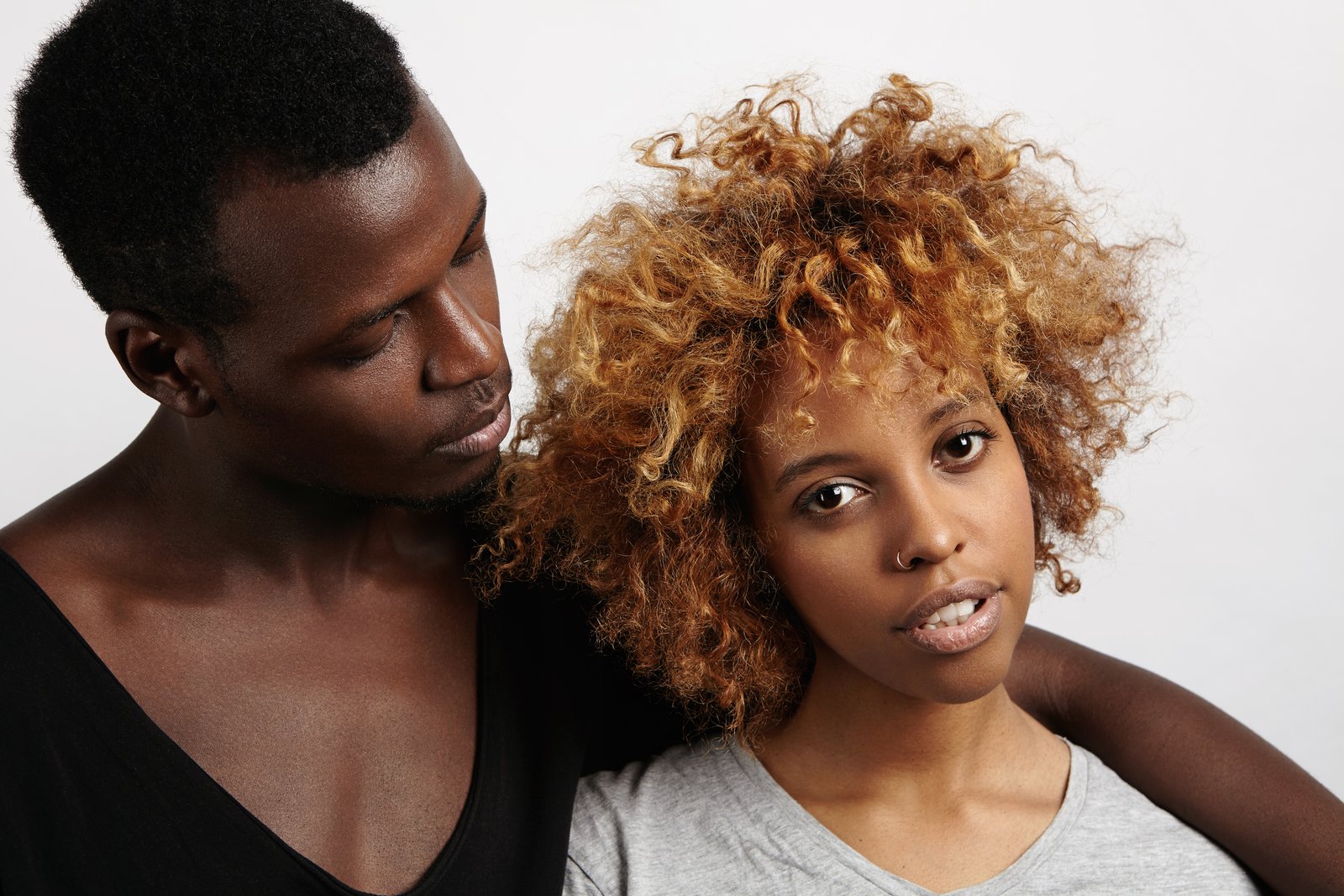
I had a client cancel a rebooking last year. Not after a bad shoot, after a good one. She said she loved the images but felt “uncomfortable” during the session, and she couldn’t explain why. I spent a week thinking about that before I figured it out. She had been uncomfortable because I kept asking her to hold positions that only made sense for my light, not for her body. Every time I moved a strobe, I was silently demanding she contort herself to meet it. The posing looked fine in the final selects. The experience was miserable.
That’s the problem most photographers never diagnose: they treat posing and lighting as two separate disciplines, when they are completely interdependent. You cannot pose someone correctly without knowing exactly where your key light is landing, and you cannot place your key light correctly without knowing how the pose will redirect shadow across bone and muscle.
The Physics of Why Poses Fall Apart Under Studio Light
In natural light, the source is enormous and diffuse. Skin wraps around the light softly, shadows are gradual, and a subject can shift their weight two inches without wrecking the exposure. In studio, your key light, even through a 5-foot Westcott Scrim Jim, is comparatively small and positional. Move your subject’s chin three inches and you’ve changed the shadow under their cheekbone entirely. Move their shoulder forward and you’ve redirected a specular highlight that was doing serious structural work.
The reason poses look stiff in studio is often that the photographer is overcorrecting. The subject shifts, the light looks wrong, the photographer adjusts the pose instead of the light, the subject shifts again trying to get comfortable, and now you’re chasing your own tail. Poses are not architecture. They breathe. Your lighting setup has to have enough flexibility built in to accommodate that breathing.
I keep a lighting journal where I sketch every setup from every shoot, and when I flip back through old sessions I can almost always identify the bad frames by the poses. Whenever I was too locked in to a rigid placement, the body language shows it. The subject’s neck is tense. The hands are wrong. They’re performing stillness instead of existing in a moment.
Building a Pose From the Light Source, Not the Other Way Around
My standard editorial starting point is a Profoto B10 Plus with a 3-foot octabox, placed at roughly a 45-degree angle to the subject’s face, raised about 18 inches above eye level. I label it “KEY” in masking tape on the stand, along with the modifier. That labeling habit sounds fussy, but when I’m moving fast and swapping gear, I do not want to guess.
From that key position, I build the pose outward. The key light is already telling me something. It’s defining one side of the face. So the pose needs to angle the body slightly away from that light so the near shoulder doesn’t become a wall that blocks the fall-off. I ask the subject to angle their torso about 30 degrees away from the key, then bring the near shoulder slightly forward. That creates depth, stops the shoulder from flattening out, and opens the neck so the jaw shadow falls cleanly.
The chin comes last. I tell subjects to extend their chin slightly toward the light, then bring it down just a few degrees. That’s not a posing cue I borrowed from a workshop. It’s geometry. The key is above them. If the chin stays neutral, the light skims the forehead and drops into shadow before it reaches the mid-face. Moving the chin toward and slightly down redirects the cheekbone into the light and shortens the nose shadow.
When the Pose Has to Win and the Light Has to Move
There are sessions where the pose is the point. Fashion editorial with a specific garment, where the clothing’s structure has to read clearly, or a corporate portrait where the subject’s body language is communicating authority. In those situations, I pose first and light second.
I use a Paul C. Buff Einstein 640 with a 7-inch reflector and a 40-degree grid as a practical hair and rim combo on a boom arm. That rig stays consistent while I walk around with a handheld light meter and find where the key needs to land for the pose we’ve established. Getting the reading at the subject’s face in incident mode, targeting a base of f/8 at ISO 100 with my Phase One, then placing the key to match. The pose doesn’t move to meet the light. The light moves to meet the pose.
The Hands Problem Is Almost Always a Direction Problem
I have a strong opinion here: awkward hands are a coaching failure, not a subject failure. Hands become rigid and strange when people are waiting. They’re holding still, they’ve been told to hold still, and their hands go into a kind of paralysis.
The fix is motion that stops. I ask subjects to slowly bring their hand toward their face or collar, and I shoot during the movement. When I review those frames, the hand is almost always in a natural configuration because the muscles are engaged in a task rather than a pose. The same applies to arms against the body. I ask them to exhale and let the arm drop, then capture right at the end of the exhale. The arm lands in a natural position with natural muscle tone. You can’t instruct your way to that. You have to engineer the condition that produces it.
What the Light Ratio Is Actually Telling You About the Pose
A 3:1 ratio, key to fill, is a forgiving, commercial-friendly setup that tolerates a fair amount of subject movement. A 6:1 ratio is dramatic and specific. At 6:1, a 10-degree shift in the subject’s face can push an eye into complete shadow. That is not a ratio for subjects who are still learning to work the camera.
Match your ratio to the subject’s experience level. With experienced models and talent who know their angles, I’ll push to 5:1 or higher and work fast. With a first-time corporate client, I stay at 2:1 or 3:1 and give the lighting more flexibility than it gives me. The ratio is not just an aesthetic choice. It is a practical constraint that determines how precisely the pose has to be held.
The single most important thing I can tell you is this: before you adjust the pose, ask whether the light is positioned to support it. Most of the time, that question answers itself.
Comments (1)
Never thought of approaching it this way. Really creative.
Leave a Comment