One Desk Lamp, One Subject, Zero Excuses: What Project 3 Taught Me About Lighting Control

One Desk Lamp, One Subject, Zero Excuses: What Project 3 Taught Me About Lighting Control

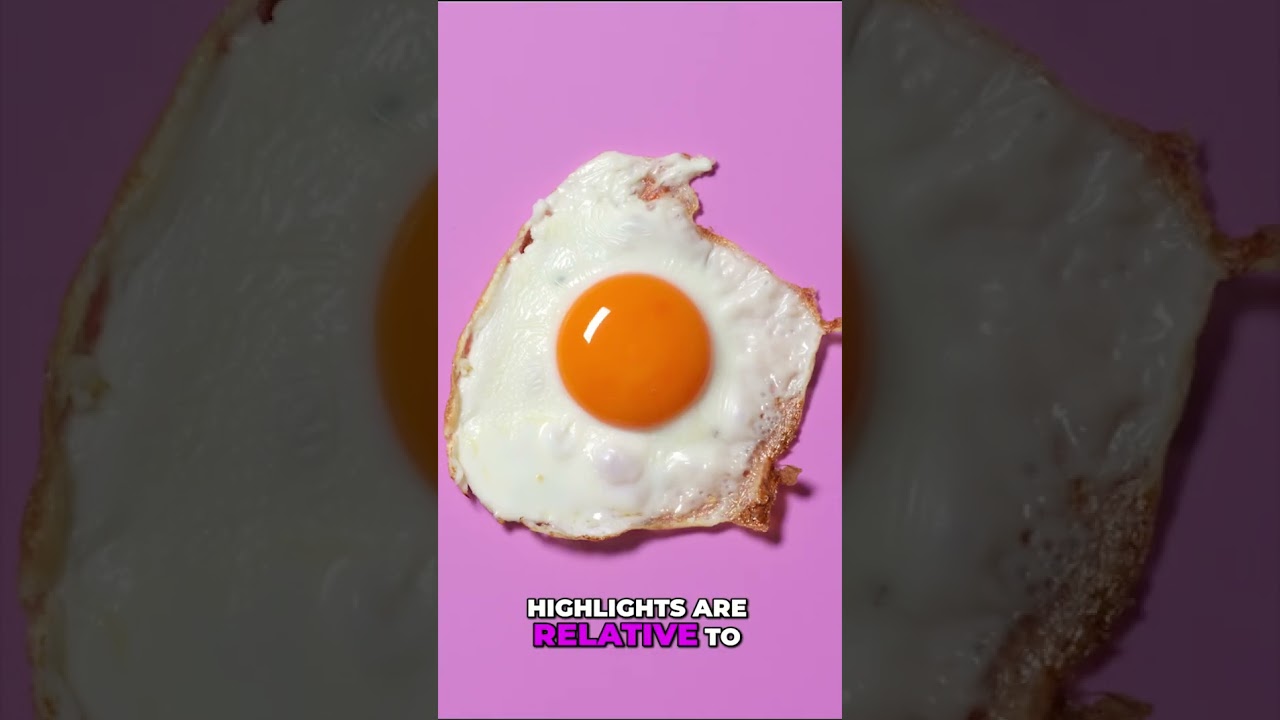
There’s a specific problem that comes up constantly in commercial food and product work: shiny surfaces that either blow out completely or go flat and lifeless depending on where you put your light. I’ve burned through more test shots than I care to count trying to dial in the relationship between a glossy surface and the matte areas surrounding it. Too much light and you lose the specular highlight that tells the viewer “this is wet, this is fresh.

Light Modifiers: The Essential Tools That Make or Break Your Studio Lighting

Light Modifiers: The Essential Tools That Make or Break Your Studio Lighting

Light Modifiers: The Essential Tools That Make or Break Your Studio Lighting I’ve spent fifteen years refining my lighting setup, and I can tell you with certainty: your light source matters far less than what you put in front of it. A modest 400W strobe becomes a professional tool the moment you add the right modifier. Without one, you’re just throwing raw light at your subject and hoping for results.

Light Modifiers: The Essential Grammar of Studio Lighting

Light Modifiers: The Essential Grammar of Studio Lighting

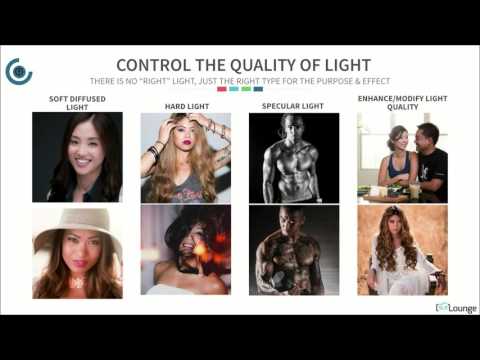
Light Modifiers: The Essential Grammar of Studio Lighting I’ve watched photographers spend thousands on strobes, then wonder why their light looks harsh and unflattering. The problem isn’t the flash—it’s that they’re using the wrong modifier, or worse, none at all. A light modifier is as fundamental to photography as grammar is to writing. Get it wrong, and even your best composition falls apart. After twenty years in studio work, I’ve learned that modifiers aren’t optional accessories.

Flash Photography Fundamentals: The Recipe for Consistent, Controlled Light

Flash Photography Fundamentals: The Recipe for Consistent, Controlled Light

Flash Photography Fundamentals: The Recipe for Consistent, Controlled Light I’ve spent twenty years working with flash, and I can tell you this: most photographers use it as a last resort instead of a primary tool. That’s a mistake. Flash isn’t a backup—it’s precision lighting you can carry in your bag. When you understand how to control it, you’ll never again accept flat, unpredictable ambient light. The Three Variables You Must Master Think of flash exposure like baking.