Breaking Down a 4-Light Model Headshot Setup (And the Blue Gel Detail Most Photographers Miss)

Breaking Down a 4-Light Model Headshot Setup (And the Blue Gel Detail Most Photographers Miss)

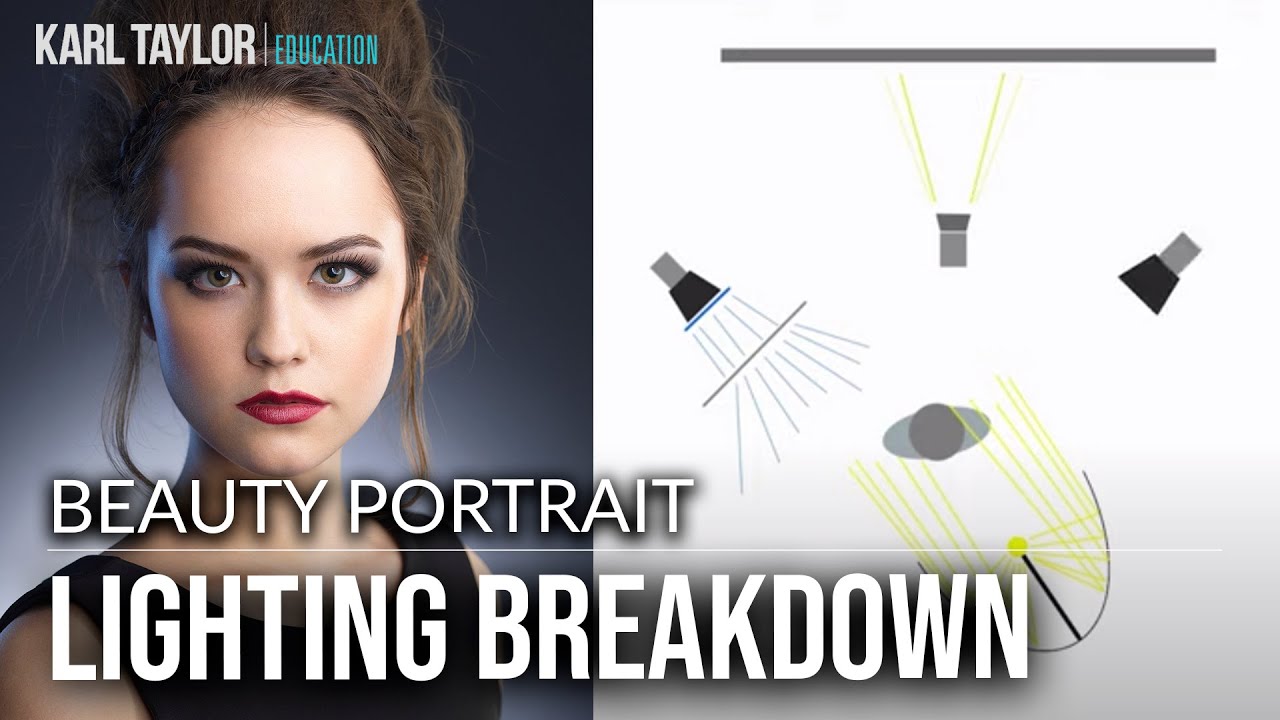
Every few months I come across a tutorial that makes me pause and actually sketch something into my lighting journal. Most videos rehash the same three-light setups I could draw from memory. This one stopped me. Watch the full tutorial on YouTube before or after you read this, because the image of model Alex Kelly that opens it is worth studying on its own. In this Visual Education tutorial, photographer Carl walks through a headshot setup he shot live, in front of an audience, which immediately tells you something about how confident he is in this particular configuration.

The V-Flat: The Most Versatile Studio Tool You'll Ever Own

The V-Flat: The Most Versatile Studio Tool You'll Ever Own

A V-flat is two large flat panels (typically 4x8 feet) hinged together so they stand upright in a V shape. One side is white, the other is black. This simple construction — essentially two sheets of foam board taped together — is arguably the most versatile tool in any portrait studio. White Side: Bouncing Light The white side of a V-flat acts as a massive reflector. Position it opposite your key light and it bounces soft, broad fill light back onto the shadow side of your subject.

Light Modifiers Explained: Softboxes, Umbrellas, and Beauty Dishes

Light Modifiers Explained: Softboxes, Umbrellas, and Beauty Dishes

A bare flash produces a small, intense point of light. Modifiers reshape that light before it reaches your subject, changing its size, direction, quality, and spread. Choosing the right modifier is one of the most consequential decisions you make in a studio setup. Softboxes A softbox is an enclosed box with reflective interior walls and a translucent front panel. Light bounces inside the box before passing through the diffusion material, producing even, controlled illumination.

Hard Light vs Soft Light: When to Use Each

Hard Light vs Soft Light: When to Use Each

Every light source produces either hard or soft light. This distinction, defined by the character of the shadows it creates, is the single most important concept in photographic lighting. Once you understand what controls it, you can shape light intentionally rather than accepting whatever the equipment happens to produce. Defining the Terms Hard light creates shadows with sharp, clearly defined edges. The transition from light to shadow is abrupt. Texture is emphasized because every surface variation casts its own small, crisp shadow.