The Architecture of Posing: Building Flattering Shapes with Intention

The Architecture of Posing: Building Flattering Shapes with Intention

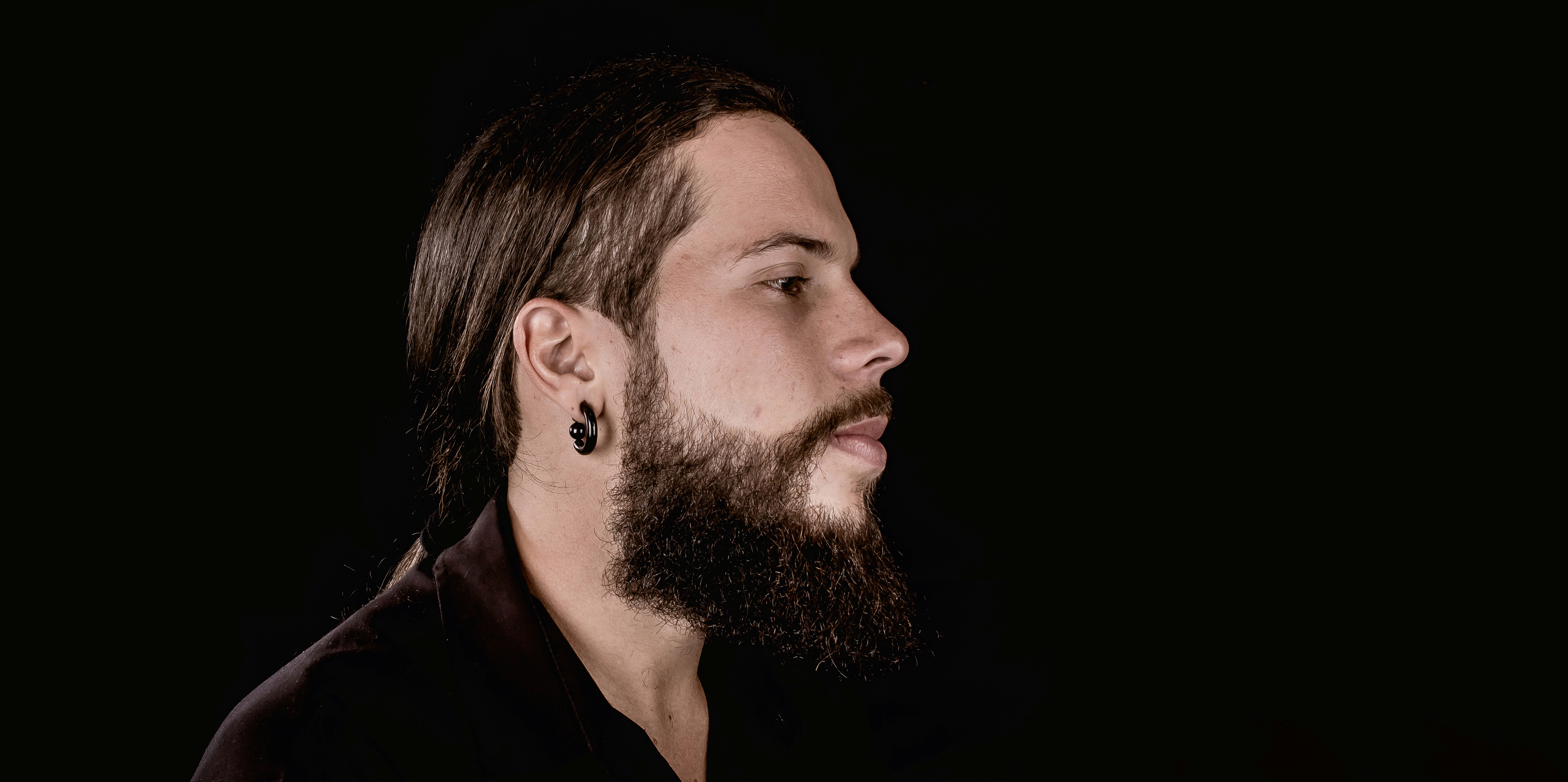
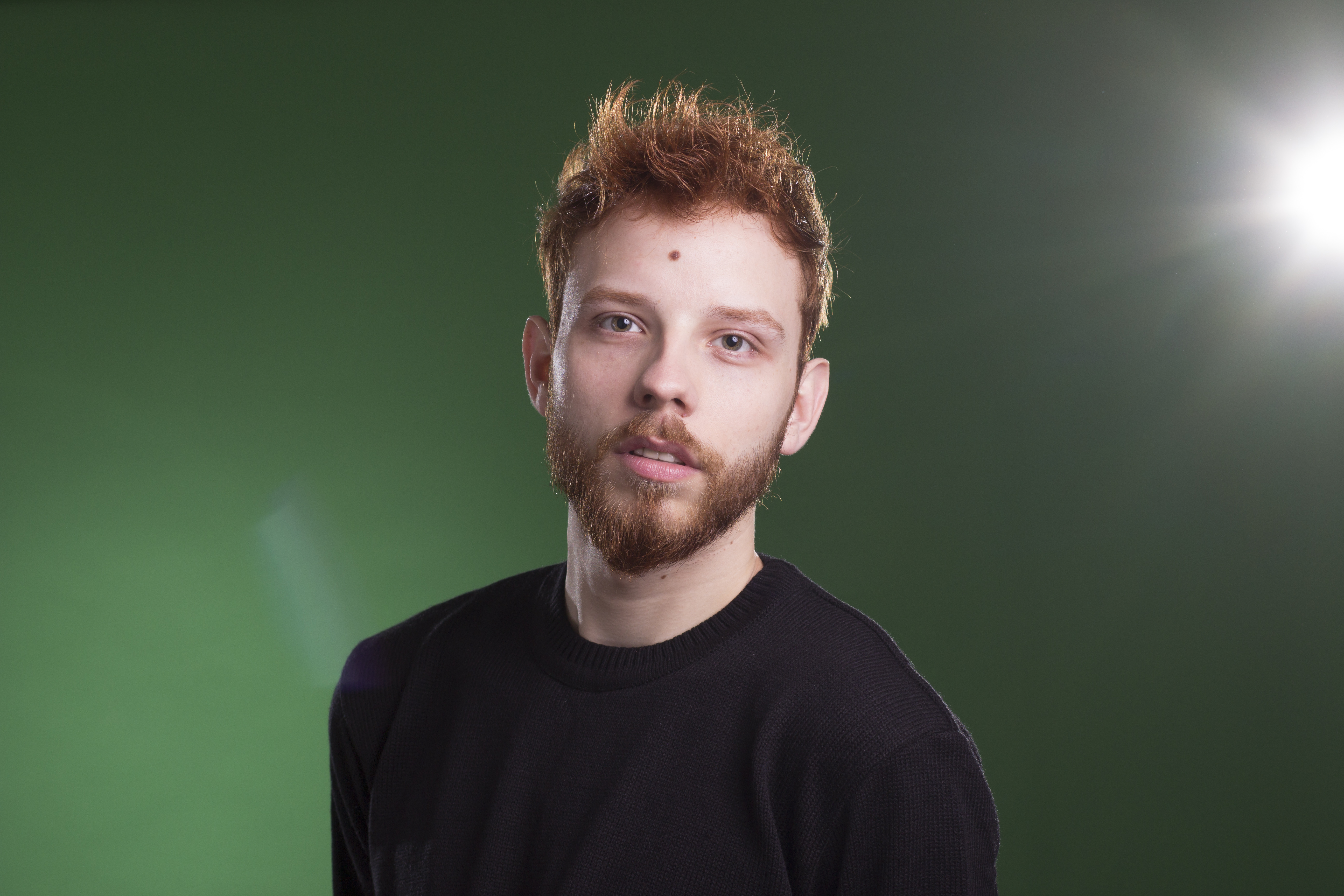
The Architecture of Posing: Building Flattering Shapes with Intention I’ve watched too many talented photographers waste exceptional lighting setups on mediocre poses. A $5,000 ring light won’t save a subject standing flat-on to the camera with their arms at their sides. Posing isn’t an afterthought—it’s the skeleton upon which your lighting and composition hang. I approach every pose like I’m building a geometric structure. Each angle, each line, each negative space serves a purpose.

The Geometry of Posing: Why Body Angles Matter More Than You Think

The Geometry of Posing: Why Body Angles Matter More Than You Think

The Geometry of Posing: Why Body Angles Matter More Than You Think I’ve spent two decades correcting the same posing mistake: photographers treating the human body like a statue to be positioned, rather than a system of angles to be orchestrated. Posing isn’t about making people look comfortable—it’s about understanding how light interacts with planes, how space relates to proportion, and how subtle rotations create visual interest. Let me be direct: if your subject is squared directly to the camera, you’re wasting the three-dimensional space in front of your lens.

The Architecture of Posing: Building Frames That Work With Light, Not Against It

The Architecture of Posing: Building Frames That Work With Light, Not Against It

The Architecture of Posing: Building Frames That Work With Light, Not Against It I’ve watched photographers spend thousands on premium lighting equipment, only to waste it with lazy posing. A $300 umbrella can’t save a subject photographed straight-on with slouched shoulders. Conversely, I’ve seen exceptional images created with modest gear because the pose itself was architecturally sound. The relationship between posing and lighting isn’t coincidental—it’s mechanical. Get this right, and everything else becomes easier.