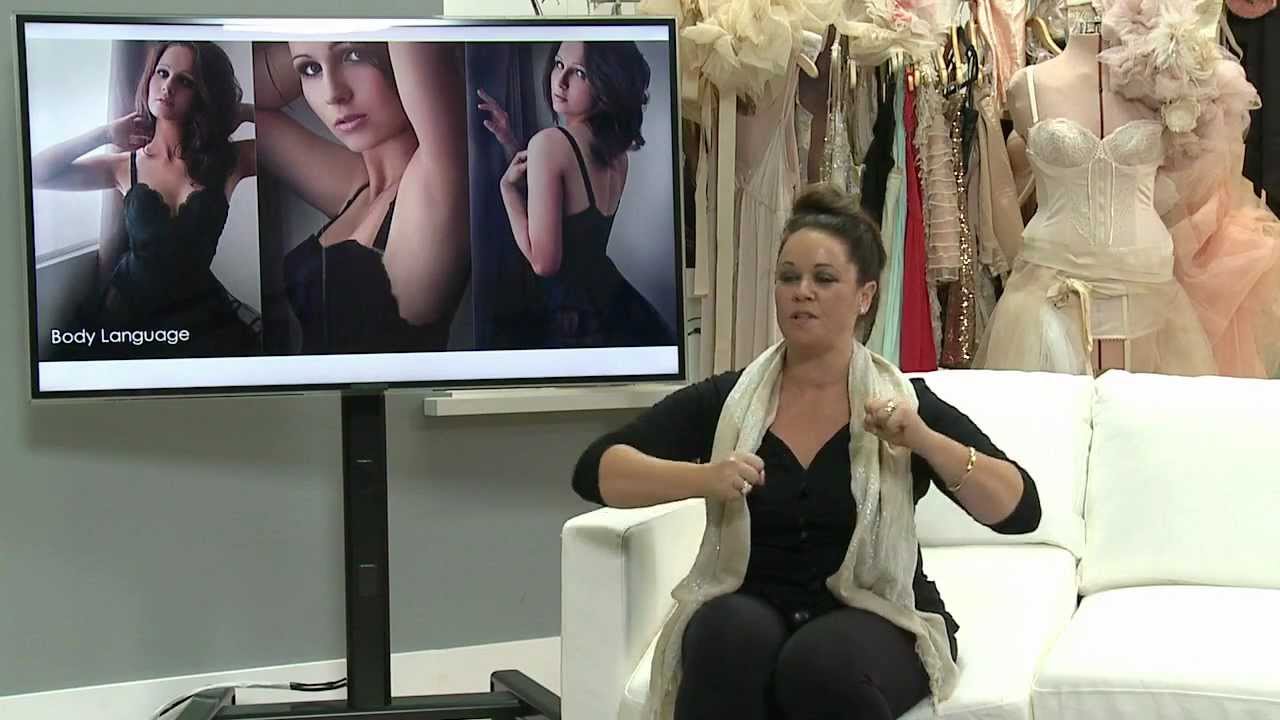
Flow Posing in the Studio: How Sue Bryce's Direction Framework Changed the Way I Shoot Portraits

Flow Posing in the Studio: How Sue Bryce's Direction Framework Changed the Way I Shoot Portraits

Posing is the thing most lighting-focused photographers underestimate until it costs them a client. I know this because I spent years dialing in my light, calibrating my modifiers, labeling every fixture in my studio with masking tape so nothing would ever be ambiguous, and then watching perfectly lit frames fall apart because my subject looked stiff, uncertain, or just geometrically wrong. Good light on a bad pose is still a bad photograph.
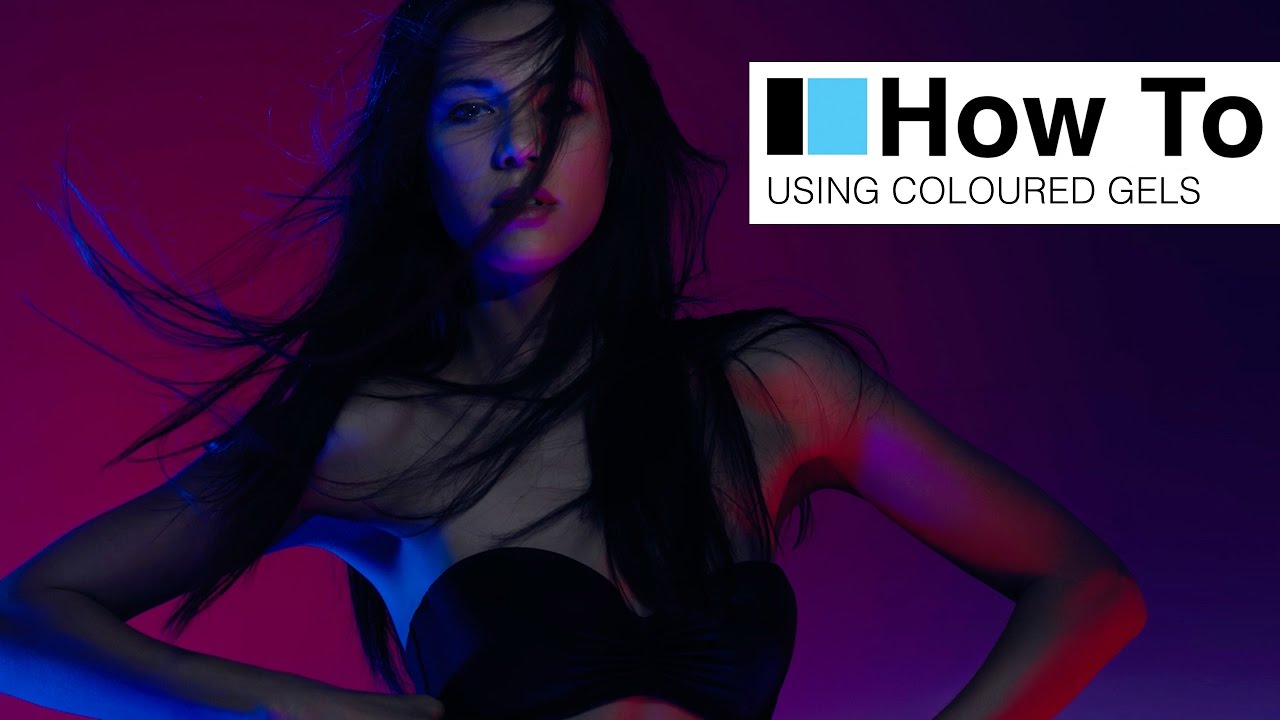
Seven Lights, Three Colors, One Setup: How to Use Gels to Paint Shadows with Studio Flash

Seven Lights, Three Colors, One Setup: How to Use Gels to Paint Shadows with Studio Flash

Every few months I’ll pull up a tutorial that makes me want to immediately rearrange my studio. This was one of those. In this Visual Education tutorial featuring photographer Carl Taylor, the entire approach flips the conventional logic of colored gel photography. Most photographers drop a gel on a background light and call it creative. Taylor builds a seven-light system where the gels are specifically designed to flood the shadows with color while clean white light handles the key and the face.

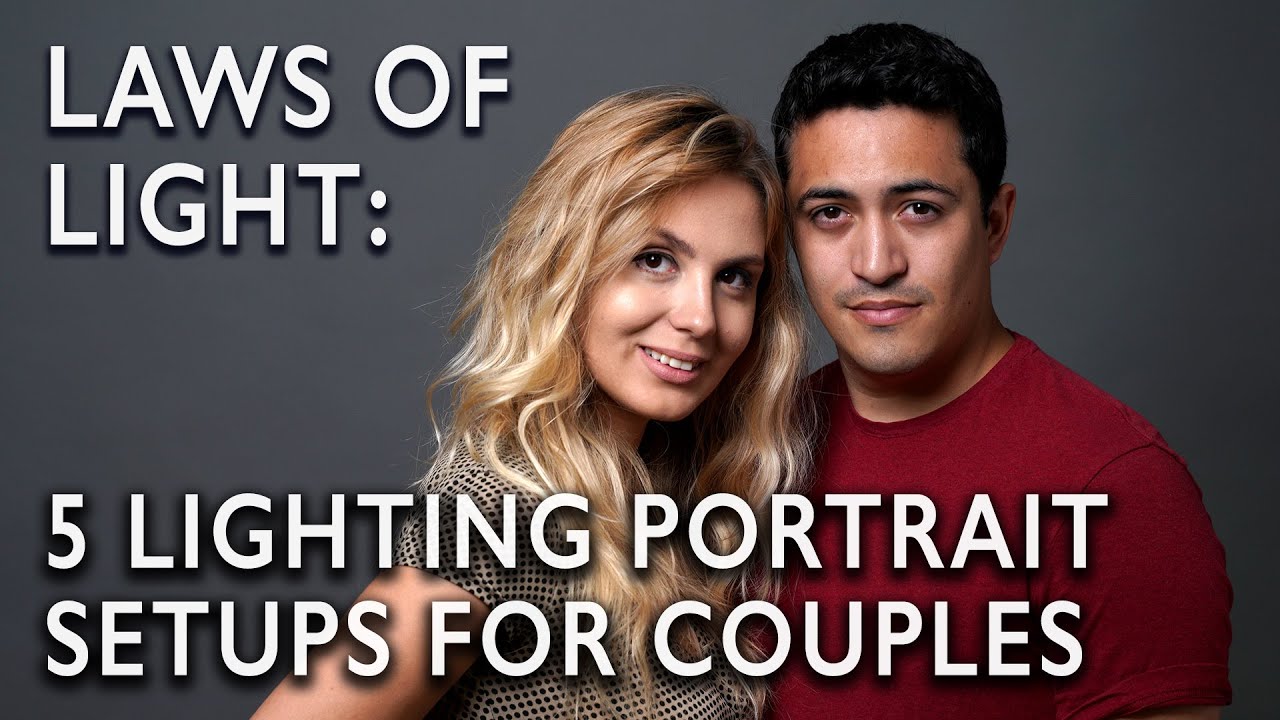
Two People, One Light: How to Apply the 5 Portrait Lighting Positions to Couples

Two People, One Light: How to Apply the 5 Portrait Lighting Positions to Couples

Lighting two people in the same frame is, in my experience, one of the most deceptively difficult things you can do in a studio. Singles are straightforward. Groups of three or five give you natural triangular composition to lean on. Two people sit right in the awkward middle: they fight for visual dominance, their heads rotate independently, and the same key light that sculpts one face beautifully can flatten or blow out the other.

Five Rules I Follow When Posing Wedding Couples (And What a CreativeLive Tutorial Confirmed for Me)

Five Rules I Follow When Posing Wedding Couples (And What a CreativeLive Tutorial Confirmed for Me)

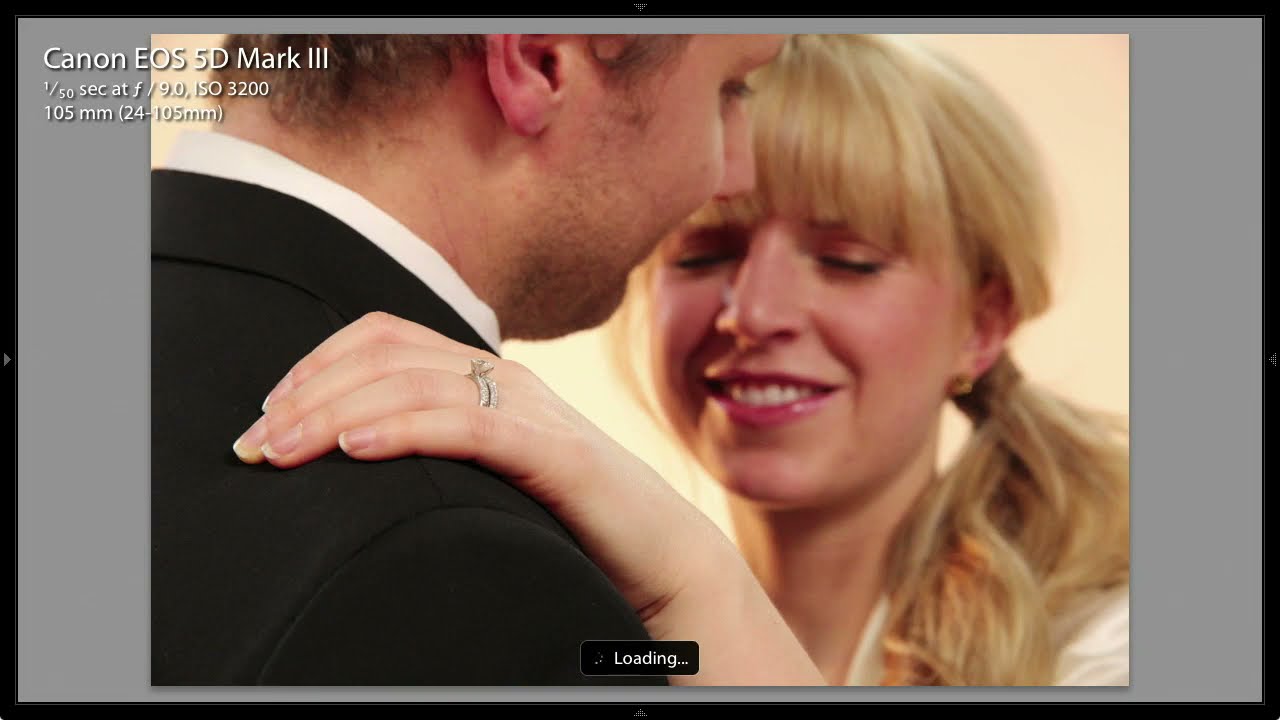
Wedding couple photography is one of those areas where my studio instincts break down fast. I’m used to controlling every variable — the light, the background, the talent’s wardrobe. A wedding day hands you almost none of that. The light changes every twenty minutes, the dress cost more than my first lens kit, and you have roughly forty minutes between the ceremony and the reception to get everything. The posing has to be efficient, intentional, and specific to this one type of subject.

Flow Posing Newborns: What Kelly Brown's Technique Teaches Us About Working With the Baby, Not Against It

Flow Posing Newborns: What Kelly Brown's Technique Teaches Us About Working With the Baby, Not Against It

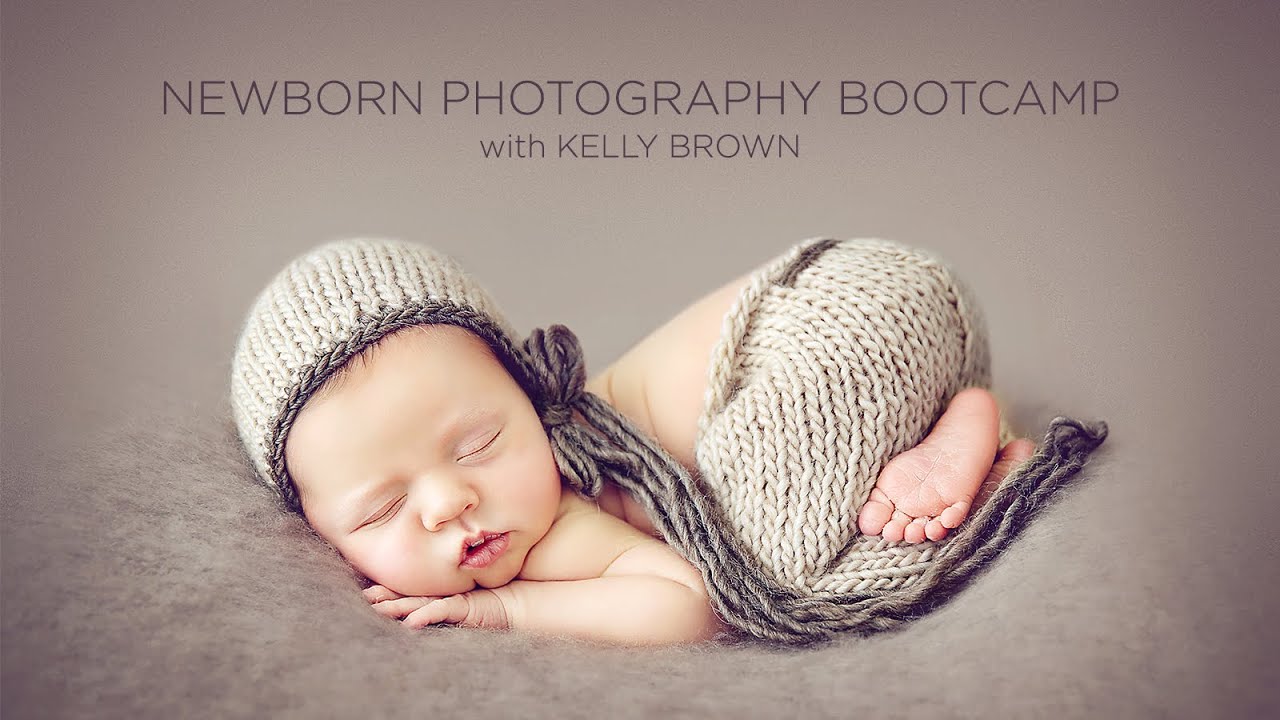
Newborn photography sits in a category of its own. The subjects can’t take direction, they startle at sudden movement, and the margin for error on safety is zero. For most of my career I’ve focused on fashion and beauty work, where the lighting puzzles are technical and the subjects can tell me when something is uncomfortable. Newborns are the opposite on every count. So when I started getting requests from clients who wanted environmental newborn portraits alongside their brand family campaigns, I knew I needed to learn from someone who had built a real system around this work.

What Sue Bryce Taught Me About the Real Purpose of a Glamour Studio

What Sue Bryce Taught Me About the Real Purpose of a Glamour Studio

There’s a version of studio photography where the gear is the point. You dial in the light, you position the modifier, you shoot. The image is technically correct and emotionally inert. I know that version well because I spent years making it. What I’ve been slowly learning — and what Sue Bryce articulates better than almost anyone working today — is that the technical side of glamour work is actually the easier half of the job.

Pose With the Light, Not Around It: A Studio Photographer's Breakdown

Pose With the Light, Not Around It: A Studio Photographer's Breakdown

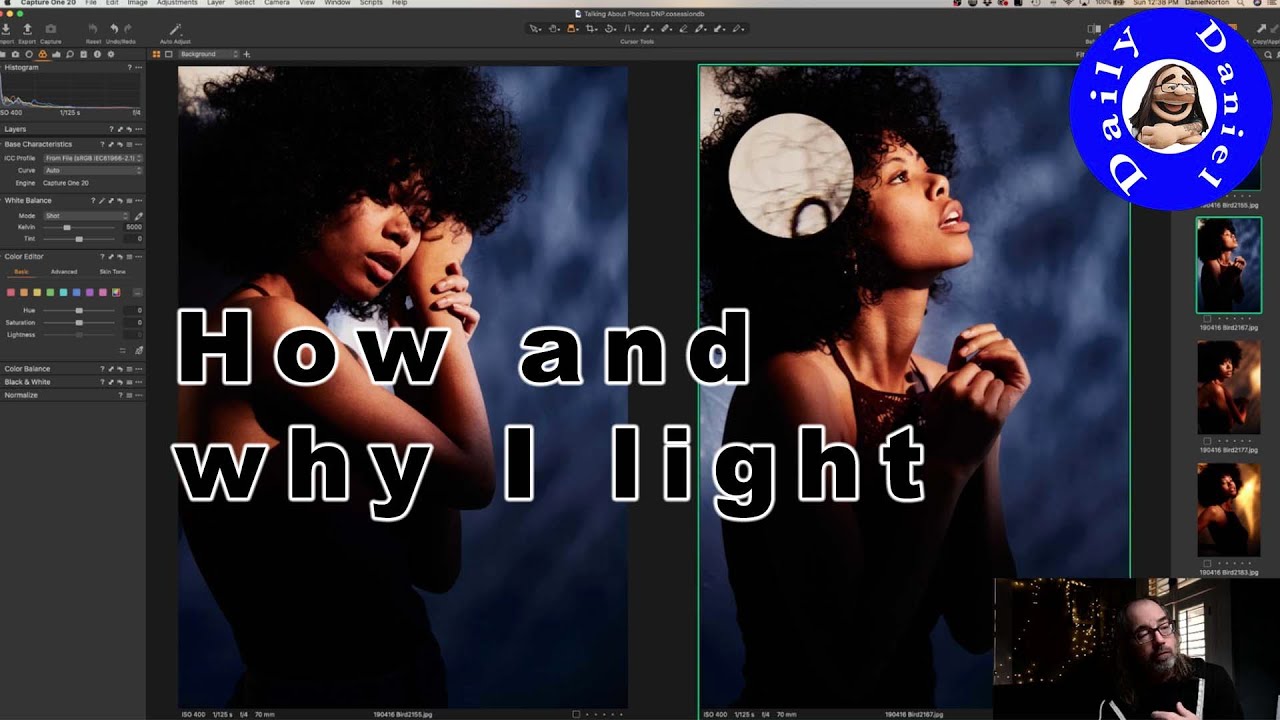
Most of my early studio sessions followed the same logic: build the light, then figure out where the subject stands. It worked well enough for catalog work, but it kept producing images that felt technically correct and emotionally flat. The light was on the subject, not working with them. It took me a while to flip that thinking around and start treating the model’s position as part of the lighting equation itself.

Emotion First, Then the Pose: What a $10K Wedding Photographer Taught Me About Working With People

Emotion First, Then the Pose: What a $10K Wedding Photographer Taught Me About Working With People

Most of my work happens in a controlled environment. I label every light, I sketch every setup, I run color calibration before the first frame fires. Control is how I operate. So when a client’s expressions fall flat despite a technically perfect setup, it’s genuinely disorienting. The lights are where they should be. The composition is solid. And yet the images feel hollow. For years I chalked that up to the subject, told myself some people just aren’t photogenic.

Two Photographers, One Subject: What Fine Art and Fashion Posing Can Teach Each Other

Two Photographers, One Subject: What Fine Art and Fashion Posing Can Teach Each Other

Most posing disagreements I see in studio work come down to one unresolved question: are you photographing a person or a feeling? Fashion posing optimizes the subject. Fine art posing subordinates the subject to a concept. Both are legitimate answers, but mixing them up mid-shoot is where things go sideways. I’ve watched it happen to assistants on my own sets, and I’ve done it myself early on, trying to make a model look great when the brief called for something more unsettling and symbolic.

Why Your Camera Angle Is Doing Half the Posing Work for You

Why Your Camera Angle Is Doing Half the Posing Work for You

Every time I take on a new portrait client, the posing conversation starts the same way. They’ve scrolled through Pinterest, they have references saved, and they want to look like that. What they don’t realize, and what took me an embarrassingly long time to fully internalize myself, is that the pose alone isn’t what creates a flattering image. The pose only works when the camera is in the right position relative to the subject.

Master These Five Key Light Positions to Transform Your Portrait Work

Master These Five Key Light Positions to Transform Your Portrait Work

The Foundation of Studio Portraiture I’ve watched countless photographers obsess over posing angles and facial expressions—and they should. But here’s what I’ve learned through years of working in the studio: your lighting setup determines whether a portrait feels alive or falls flat. The position of your key light is the single most important decision you’ll make during a shoot, because it sculpts your subject’s face through shadow placement. Before you position another light modifier, you need to understand the five fundamental key light patterns that form the backbone of professional portrait work.

Two Lights, Thirty Minutes: How to Nail a Corporate Group Shot on Location

Two Lights, Thirty Minutes: How to Nail a Corporate Group Shot on Location

Corporate group shots are the kind of assignment that can quietly ruin your day if you haven’t thought them through. You finish individual portraits, the client is happy, and then someone says “can we get the whole team together?” You have thirty minutes, the background is whatever it is, and six or eight people are about to look at you like you know exactly what you’re doing. I’ve been in that position more times than I want to count, and my early attempts at group work were embarrassing.