Pose With the Light, Not Around It: A Studio Photographer's Breakdown

Pose With the Light, Not Around It: A Studio Photographer's Breakdown

Most of my early studio sessions followed the same logic: build the light, then figure out where the subject stands. It worked well enough for catalog work, but it kept producing images that felt technically correct and emotionally flat. The light was on the subject, not working with them. It took me a while to flip that thinking around and start treating the model’s position as part of the lighting equation itself.

Emotion First, Then the Pose: What a $10K Wedding Photographer Taught Me About Working With People

Emotion First, Then the Pose: What a $10K Wedding Photographer Taught Me About Working With People

Most of my work happens in a controlled environment. I label every light, I sketch every setup, I run color calibration before the first frame fires. Control is how I operate. So when a client’s expressions fall flat despite a technically perfect setup, it’s genuinely disorienting. The lights are where they should be. The composition is solid. And yet the images feel hollow. For years I chalked that up to the subject, told myself some people just aren’t photogenic.

Two Photographers, One Subject: What Fine Art and Fashion Posing Can Teach Each Other

Two Photographers, One Subject: What Fine Art and Fashion Posing Can Teach Each Other

Most posing disagreements I see in studio work come down to one unresolved question: are you photographing a person or a feeling? Fashion posing optimizes the subject. Fine art posing subordinates the subject to a concept. Both are legitimate answers, but mixing them up mid-shoot is where things go sideways. I’ve watched it happen to assistants on my own sets, and I’ve done it myself early on, trying to make a model look great when the brief called for something more unsettling and symbolic.

Why Your Camera Angle Is Doing Half the Posing Work for You

Why Your Camera Angle Is Doing Half the Posing Work for You

Every time I take on a new portrait client, the posing conversation starts the same way. They’ve scrolled through Pinterest, they have references saved, and they want to look like that. What they don’t realize, and what took me an embarrassingly long time to fully internalize myself, is that the pose alone isn’t what creates a flattering image. The pose only works when the camera is in the right position relative to the subject.

Master These Five Key Light Positions to Transform Your Portrait Work

Master These Five Key Light Positions to Transform Your Portrait Work

The Foundation of Studio Portraiture I’ve watched countless photographers obsess over posing angles and facial expressions—and they should. But here’s what I’ve learned through years of working in the studio: your lighting setup determines whether a portrait feels alive or falls flat. The position of your key light is the single most important decision you’ll make during a shoot, because it sculpts your subject’s face through shadow placement. Before you position another light modifier, you need to understand the five fundamental key light patterns that form the backbone of professional portrait work.

Two Lights, Thirty Minutes: How to Nail a Corporate Group Shot on Location

Two Lights, Thirty Minutes: How to Nail a Corporate Group Shot on Location

Corporate group shots are the kind of assignment that can quietly ruin your day if you haven’t thought them through. You finish individual portraits, the client is happy, and then someone says “can we get the whole team together?” You have thirty minutes, the background is whatever it is, and six or eight people are about to look at you like you know exactly what you’re doing. I’ve been in that position more times than I want to count, and my early attempts at group work were embarrassing.

Why Your Subjects Look Stiff: Fixing Posing Problems That Actually Start With Your Lighting

Why Your Subjects Look Stiff: Fixing Posing Problems That Actually Start With Your Lighting

I had a client cancel a rebooking last year. Not after a bad shoot, after a good one. She said she loved the images but felt “uncomfortable” during the session, and she couldn’t explain why. I spent a week thinking about that before I figured it out. She had been uncomfortable because I kept asking her to hold positions that only made sense for my light, not for her body. Every time I moved a strobe, I was silently demanding she contort herself to meet it.

What Roberto Valenzuela's Wedding Evolution Taught Me About Seeing a Location Before You Shoot It

What Roberto Valenzuela's Wedding Evolution Taught Me About Seeing a Location Before You Shoot It

I shoot in a controlled environment almost every day. Strobes on stands, tape marks on the floor, modifiers I’ve tested a dozen times before a client walks in. The variables are mine to set. Wedding photographers don’t get that luxury, and for a long time I let that difference make me dismissive of what they do. Then I watched Roberto Valenzuela walk through an entire Hawaii wedding shoot, frame by frame, explaining not just what he captured but where he stood, where he refused to stand, and exactly why.

What Bloopers From a Freezing Studio Taught Me About Shooting With Intention

What Bloopers From a Freezing Studio Taught Me About Shooting With Intention

There is a particular kind of education you only get when things go wrong. I have been shooting commercial and editorial work for long enough to know that the polished final tutorial is rarely where the real lessons live. The real lessons live in the moment the camera nearly hits the floor, in the take where someone’s fly was undone the entire time, in the freezing cold studio where nobody thought to book heating.

The Vanity Fair Two-Light Setup That Reignited My Love for Studio Portraiture

The Vanity Fair Two-Light Setup That Reignited My Love for Studio Portraiture

There’s a specific kind of dread that creeps in when a shoot isn’t working and you can’t diagnose why. The lights are set, the camera is dialed in, the subject is in front of you — and nothing. I’ve been there more than I’d like to admit. Usually the problem isn’t technical. It’s that I’ve stopped thinking about why I’m making the photograph and started just executing a sequence of habits.

Stop Posing Hands Like an Afterthought: What Sue Bryce and Bambi Cantrell Actually Teach

Stop Posing Hands Like an Afterthought: What Sue Bryce and Bambi Cantrell Actually Teach

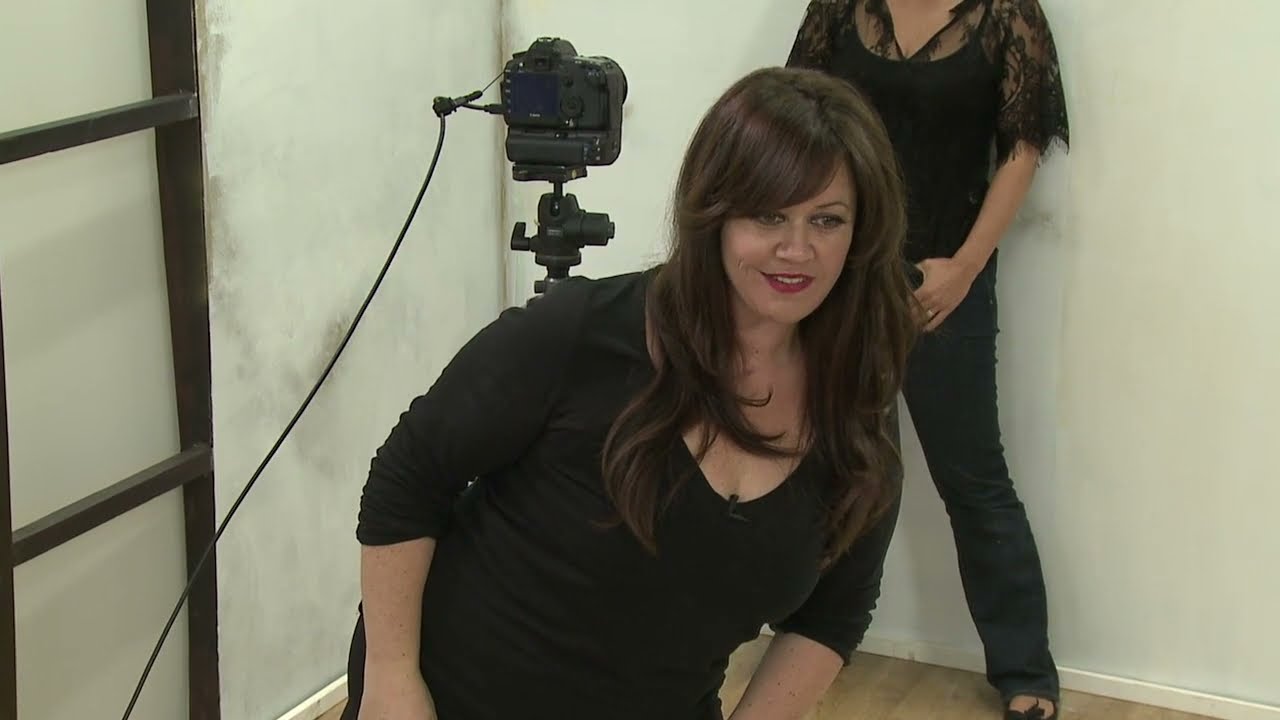
Hand posing is the thing that separates a portrait that looks like a DMV photo from one that looks like a campaign. I’ve been shooting commercial and editorial work in Los Angeles long enough to know that most photographers — including me, early on — treat hands as an afterthought. You get the face right, the light right, the expression right, and then you look down at the hands and they’re just… hanging there.

Stop Losing Shape: 6 Posing Fixes That Changed How I Direct Models in the Studio

Stop Losing Shape: 6 Posing Fixes That Changed How I Direct Models in the Studio

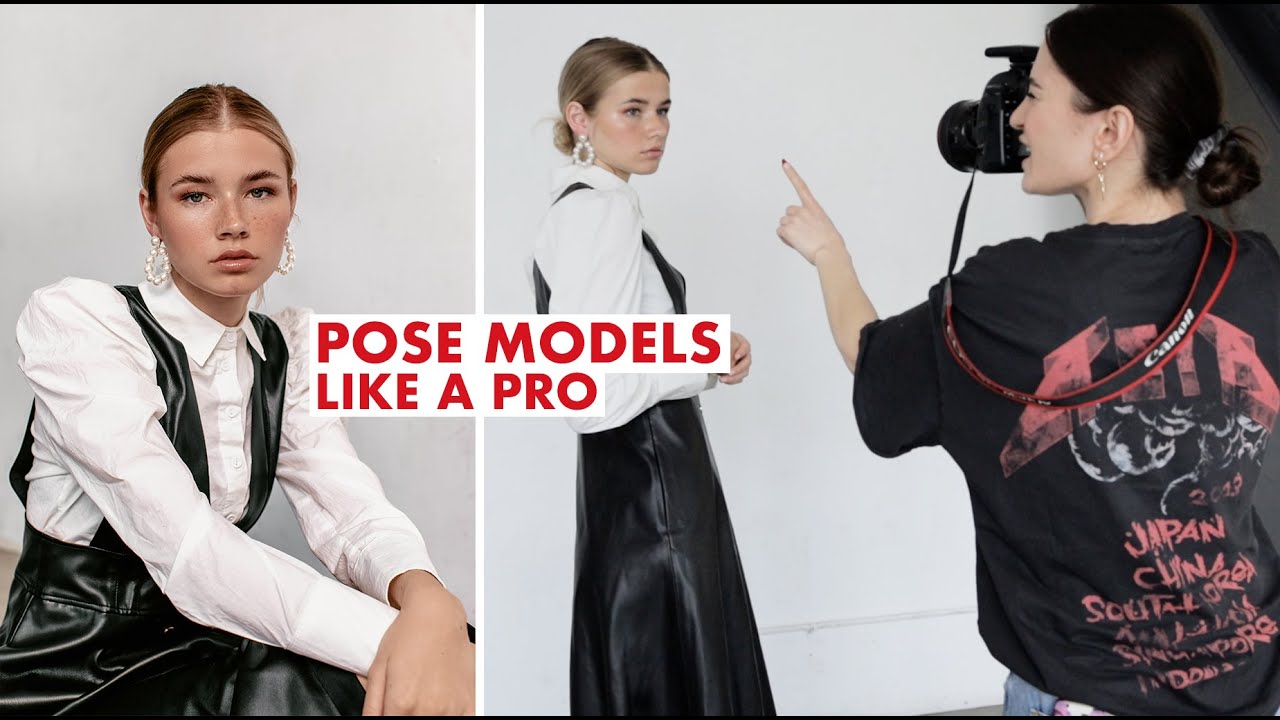
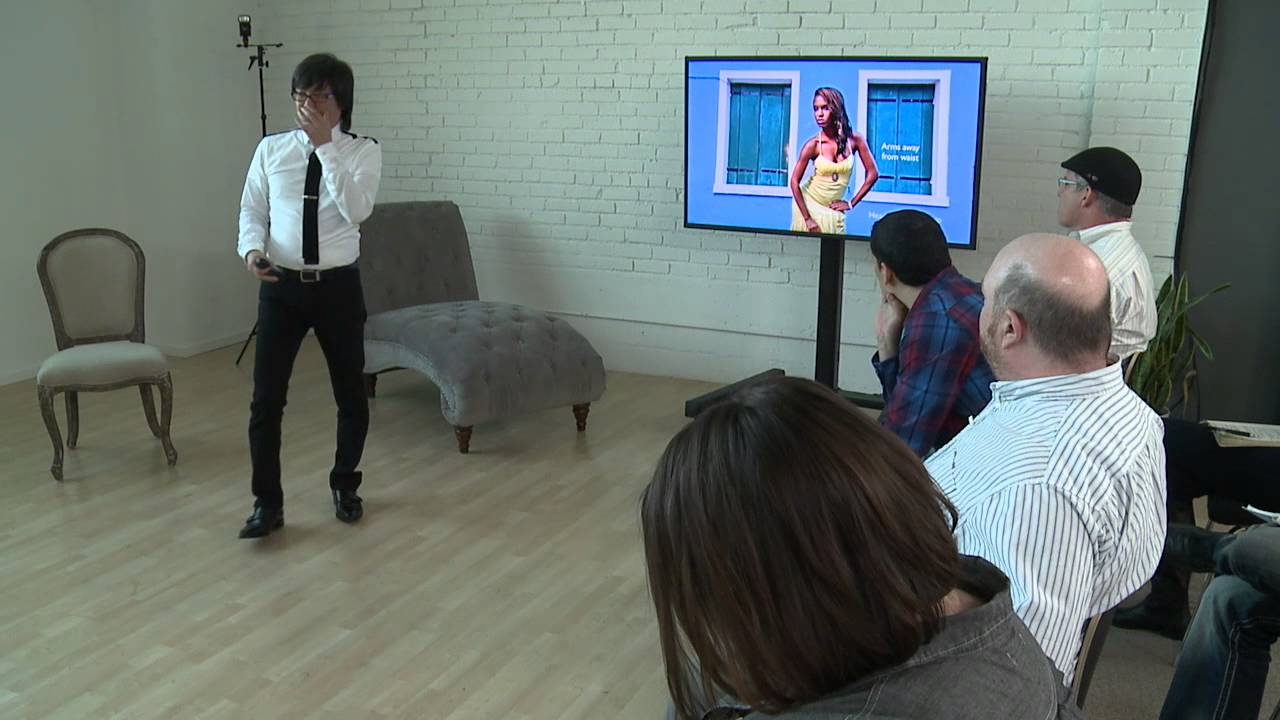
Posing is the part of studio photography nobody wants to admit they’re bad at. Lighting I can control with a meter and a diagram. Posing lives in real time, under pressure, with a model waiting and a client watching. For years I defaulted to a handful of safe positions and called it a day. The problem is “safe” posing produces flat images, and flat images don’t book repeat clients. In this Jessica Kobeissi tutorial on her YouTube channel, she walks through six of the most common posing mistakes photographers make when directing models, and more importantly, she demonstrates the exact corrections live, side by side.