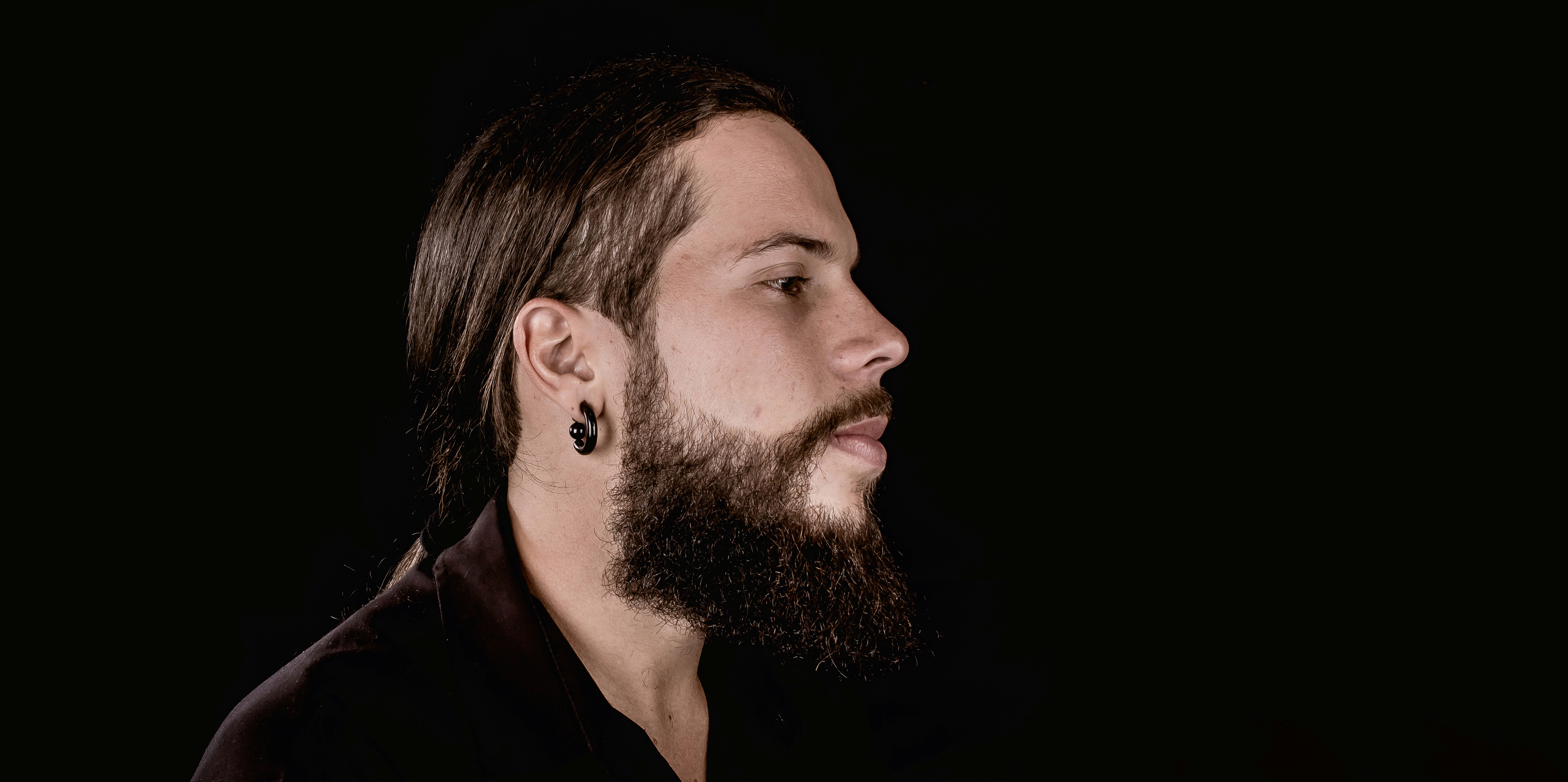
The Architecture of Posing: Building Flattering Angles Like You're Planning a Building

The Architecture of Posing: Building Flattering Angles Like You're Planning a Building

The Architecture of Posing: Building Flattering Angles Like You’re Planning a Building I’ve watched photographers waste exceptional light on poor posing. It’s like buying premium ingredients and burning the dish. The two aren’t separate—posing is part of your lighting equation. Get the pose wrong, and even perfect three-point lighting fails. Here’s what I’ve learned after thousands of sessions: posing isn’t artistic intuition. It’s geometry. Treat it like a recipe with specific measurements, and your results become predictable and repeatable.


The Five Posing Fundamentals That Actually Work

The Five Posing Fundamentals That Actually Work

The Five Posing Fundamentals That Actually Work I’ve watched photographers spend thousands on lights, modifiers, and reflectors—then squander it all by positioning their subject like a department store mannequin. Posing isn’t art; it’s applied geometry. Get the angles right, and lighting does half the work for you. After fifteen years in studio work, I’ve distilled posing down to five non-negotiable principles. Follow these, and you’ll see immediate improvement. Ignore them, and no amount of gear will save you.

The Architecture of Posing: How to Position Your Subject for Maximum Impact

The Architecture of Posing: How to Position Your Subject for Maximum Impact

The Architecture of Posing: How to Position Your Subject for Maximum Impact I’ve spent twenty years behind the camera, and I can tell you this with absolute certainty: your lighting setup is only half the equation. A perfectly sculpted three-point light setup means nothing if your subject is standing like a mannequin with their shoulders squared to the camera. Posing isn’t art—it’s architecture. It’s the deliberate placement of lines, angles, and negative space.