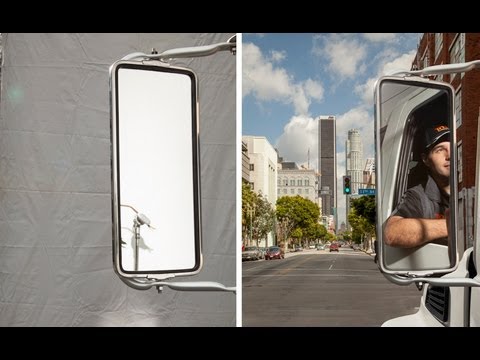
How to Light Chrome on Location: Controlling Reflections When You Can't Control the Environment

How to Light Chrome on Location: Controlling Reflections When You Can't Control the Environment

Chrome is the material that exposes every amateur lighting decision. It doesn’t care how much gear you brought. It reflects everything around it with total honesty, and most of what surrounds a location shoot is visual noise. I’ve lost count of how many times I’ve seen photographers aim a strobe at a shiny surface and wonder why the result looks like a carnival mirror. The problem is never the light you put on the chrome.
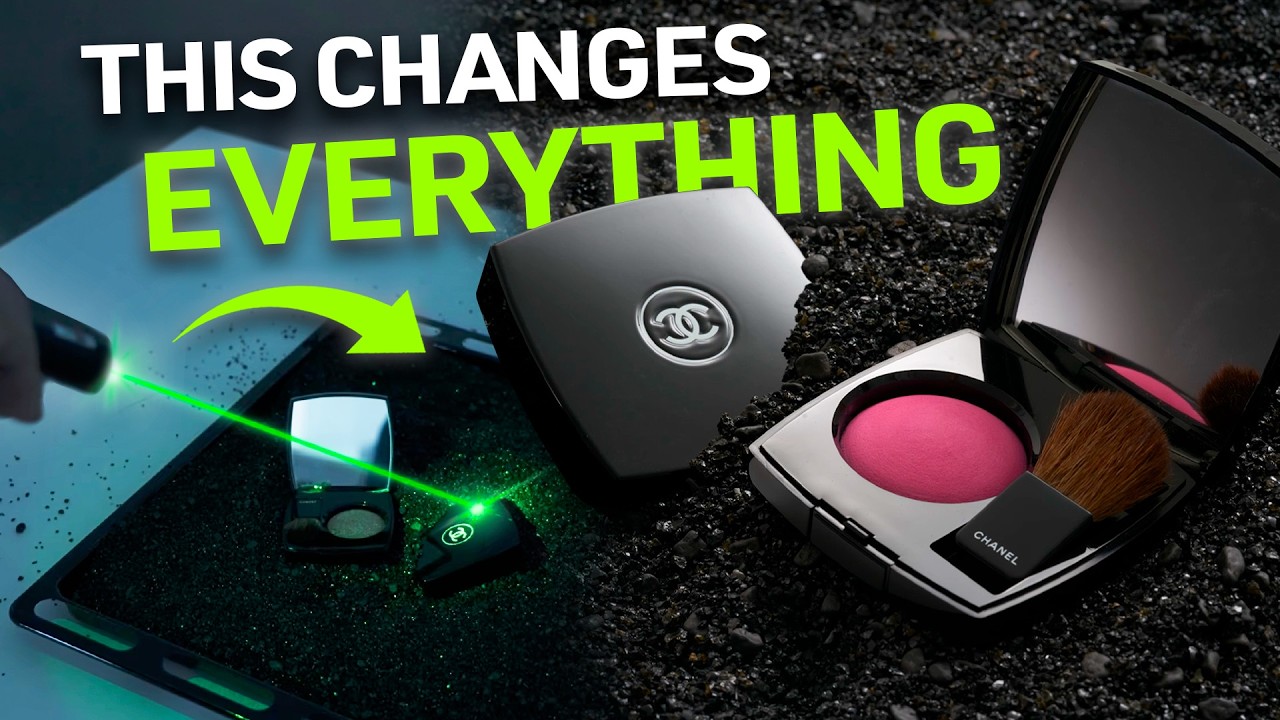
Your Glossy Products Are Mirrors. Start Lighting Them That Way.

Your Glossy Products Are Mirrors. Start Lighting Them That Way.

Every commercial photographer has a version of this story. A client sends over a cosmetics product, something small and impossibly shiny, and you set up what feels like a reasonable light position and fire a test shot. The result looks like a snapshot from a drugstore circular. The surface is either blowing out in a hot white blob or reading as a flat, lifeless panel with no dimension whatsoever. I have a lighting journal where I sketch every setup from every shoot, and I can flip back through dozens of pages where a note in the margin reads some version of “glossy surfaces are the enemy.