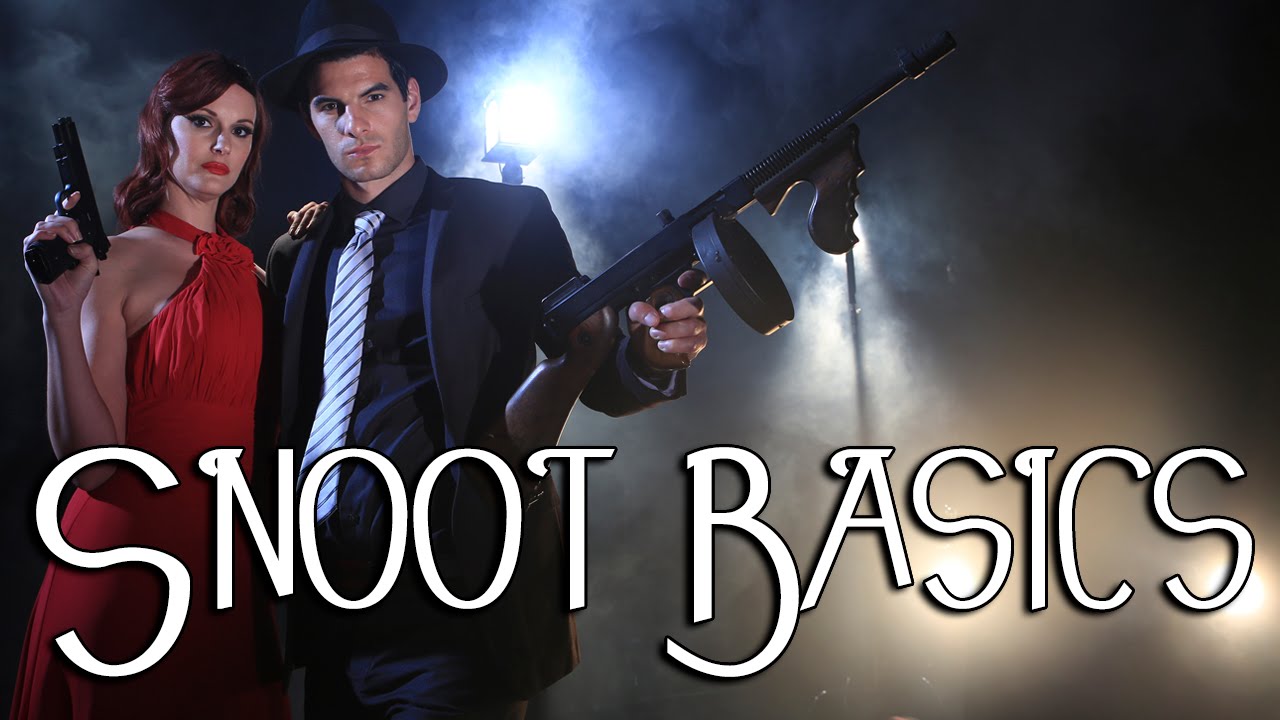
What a Snoot Actually Does to Your Light (And When to Reach for One)

What a Snoot Actually Does to Your Light (And When to Reach for One)

There’s a modifier sitting in most photographers’ gear bags that gets used either constantly or almost never, with very little middle ground. The snoot is one of those tools that sounds simple until you actually try to control it on a real set, and then the questions start piling up fast. How narrow is the coverage, really? How does it compare to a grid? Why does my shadow side look muddier than I expected?

Why Professional Photographers Are Sleeping on Snoots and Projectors

Why Professional Photographers Are Sleeping on Snoots and Projectors

The Attachments That Change Everything I’ve spent enough time in studios to recognize patterns. Most photographers nail the fundamentals—they understand key light, fill light, and backdrop separation. But there’s a tier above this where the real control happens, and it’s occupied by a frustratingly small percentage of shooters. The culprit? Simple neglect of specialized attachments like snoots and projector heads. What Makes These Tools Different A snoot is elegantly straightforward—a tapered tube that concentrates light into a tight, controlled beam.