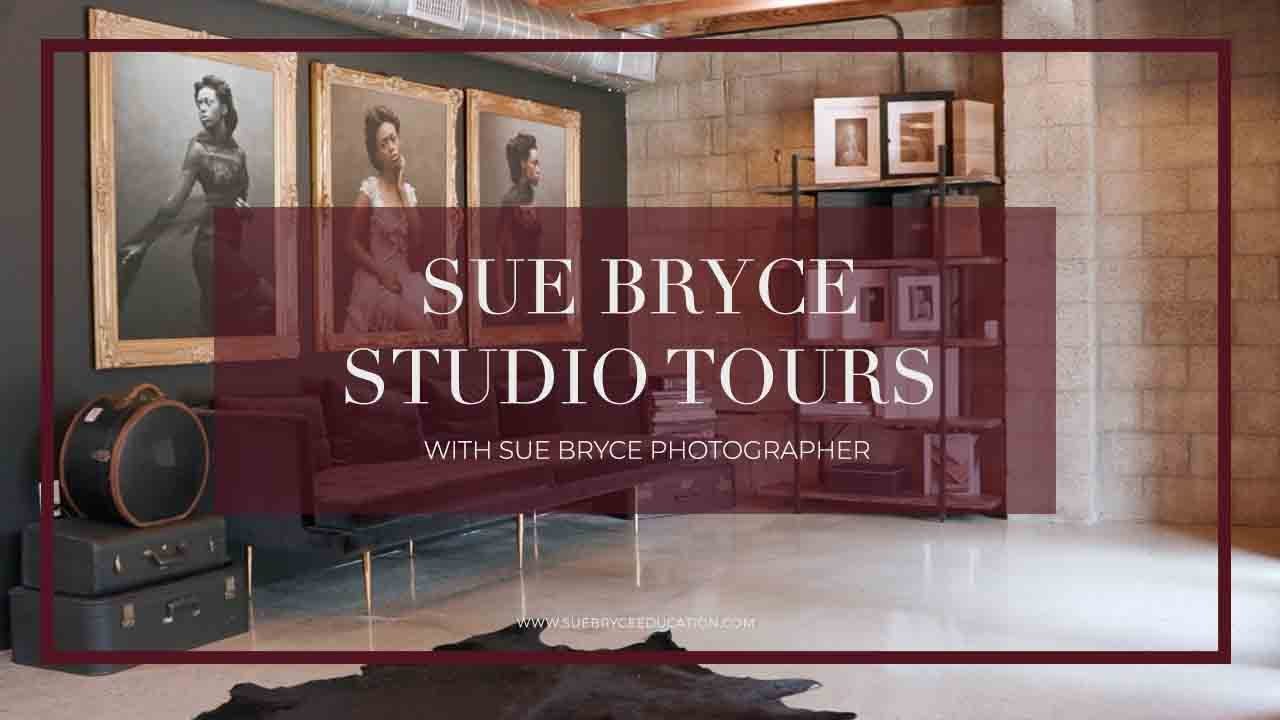
What Sue Bryce's Studio Design Teaches Every Working Photographer About Space, Flow, and Client Psychology

What Sue Bryce's Studio Design Teaches Every Working Photographer About Space, Flow, and Client Psychology

I’ve been in a lot of studios. Shot in borrowed spaces, rented daylight lofts, converted warehouses, and one genuinely terrible basement in Burbank where the ceiling was so low I had to angle every softbox sideways. What I’ve learned across all of them is that the physical space isn’t neutral. It talks to your clients before you do. It tells them what kind of photographer you are, what they can expect to pay, and whether they should trust you with something as personal as their own portrait.
From Forgotten Shed to Creative Haven: Building a Professional Studio in Minimal Space

From Forgotten Shed to Creative Haven: Building a Professional Studio in Minimal Space

The Constraints That Drive Innovation I’ve spent years watching photographers and artists struggle with the same problem: limited space, unlimited ambition. So when I learned about how one Pixar illustrator transformed a neglected shed into a fully functional creative workspace, I had to dig deeper. The result is a masterclass in constraint-driven design that applies directly to how we approach studio photography and lighting. The project demonstrates something I’ve always believed—your space doesn’t determine your output; your intentionality does.