From Portrait Studio to Portrait Couture: What Sue Bryce's Glamour Workflow Taught Me About Shooting With Intent

From Portrait Studio to Portrait Couture: What Sue Bryce's Glamour Workflow Taught Me About Shooting With Intent

There’s a specific problem I keep running into with clients who book a “portrait session” and show up expecting something that looks more editorial than standard headshot. For years I tried to bridge that gap on the fly, adjusting in the room, improvising wardrobe choices, coaching poses I hadn’t planned. It worked sometimes. It also fell apart sometimes. What I was missing was a deliberate system for shifting the register of a shoot from documentary portrait to something more intentional and designed.
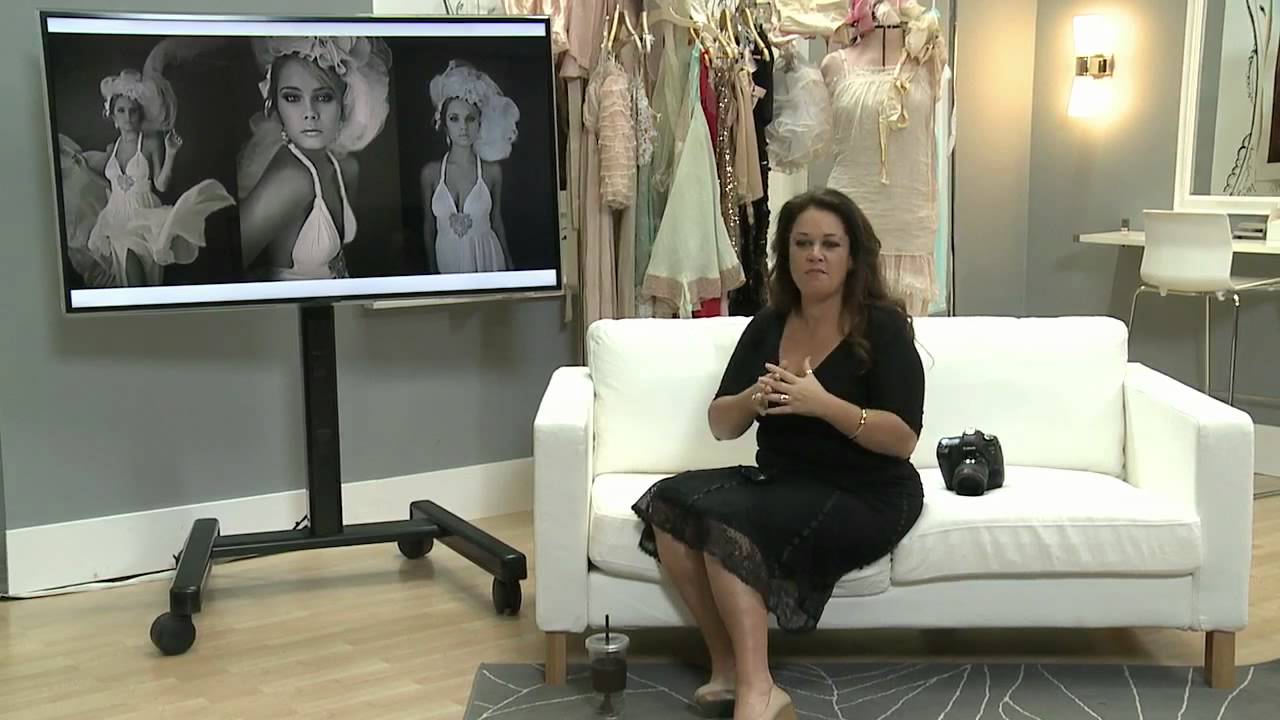
What Sue Bryce Taught Me About the Real Purpose of a Glamour Studio

What Sue Bryce Taught Me About the Real Purpose of a Glamour Studio

There’s a version of studio photography where the gear is the point. You dial in the light, you position the modifier, you shoot. The image is technically correct and emotionally inert. I know that version well because I spent years making it. What I’ve been slowly learning — and what Sue Bryce articulates better than almost anyone working today — is that the technical side of glamour work is actually the easier half of the job.

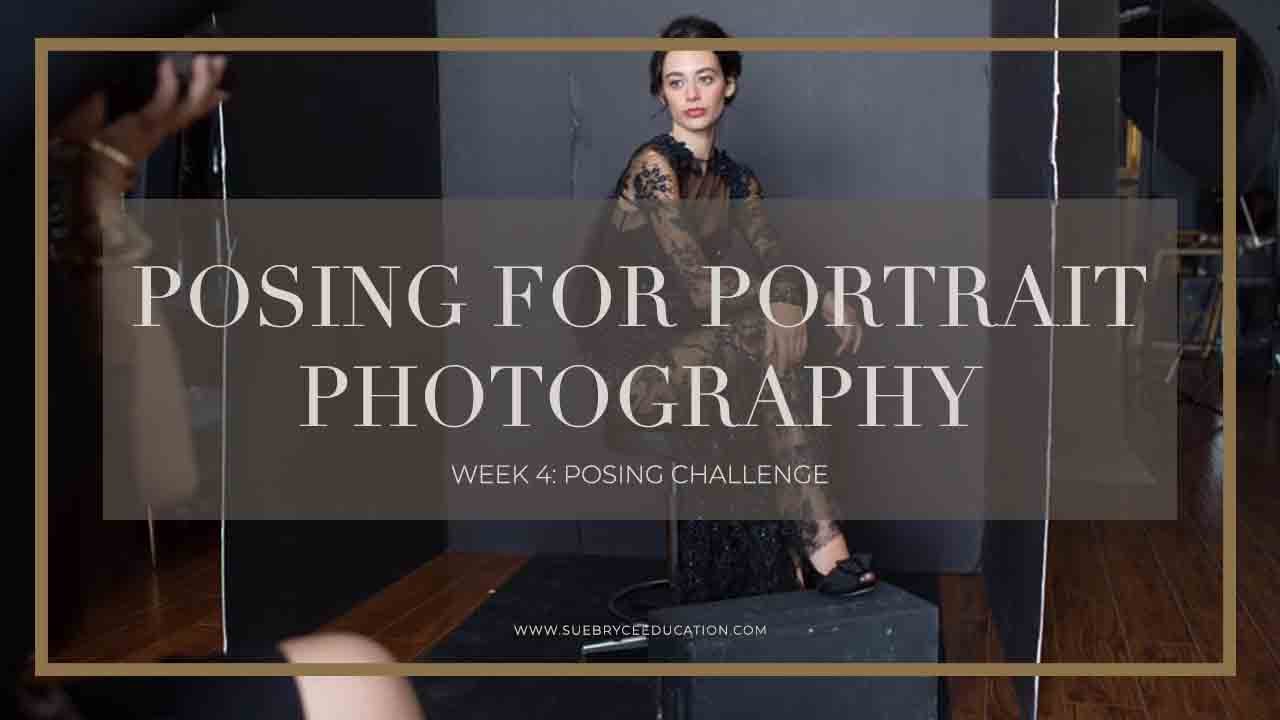
The Posing Fundamentals That Actually Stick: A Studio Photographer's Breakdown of Sue Bryce's Challenge Framework

The Posing Fundamentals That Actually Stick: A Studio Photographer's Breakdown of Sue Bryce's Challenge Framework

Posing is the part of portrait work most photographers quietly dread. Lighting I can diagram. Exposure I can calculate. But the moment a client walks in and stands flat-footed in the middle of my seamless, every instinct I’ve developed over years of commercial work has to fire at once — shape the body, read the energy, direct without stiffening them up. I’ve shot enough editorial work to know that bad posing kills a technically perfect frame faster than any lighting mistake ever could.

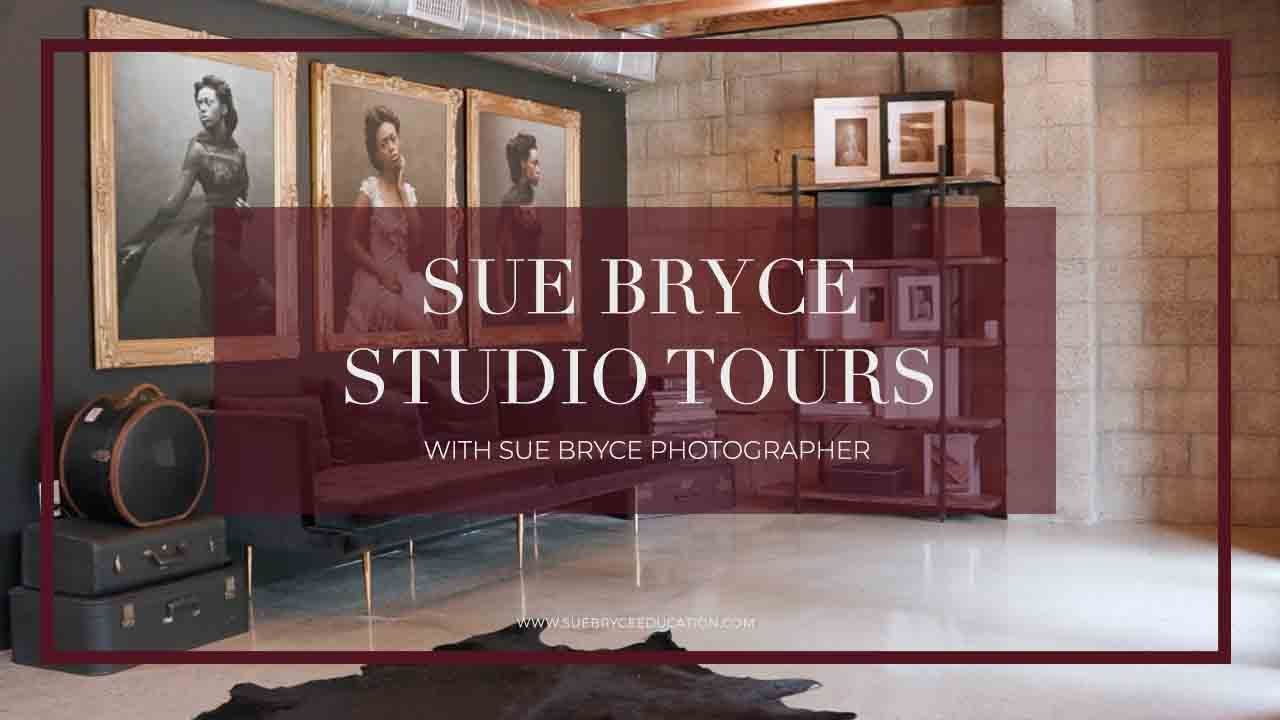
What Sue Bryce's Studio Design Teaches Every Working Photographer About Space, Flow, and Client Psychology

What Sue Bryce's Studio Design Teaches Every Working Photographer About Space, Flow, and Client Psychology

I’ve been in a lot of studios. Shot in borrowed spaces, rented daylight lofts, converted warehouses, and one genuinely terrible basement in Burbank where the ceiling was so low I had to angle every softbox sideways. What I’ve learned across all of them is that the physical space isn’t neutral. It talks to your clients before you do. It tells them what kind of photographer you are, what they can expect to pay, and whether they should trust you with something as personal as their own portrait.